
Pests
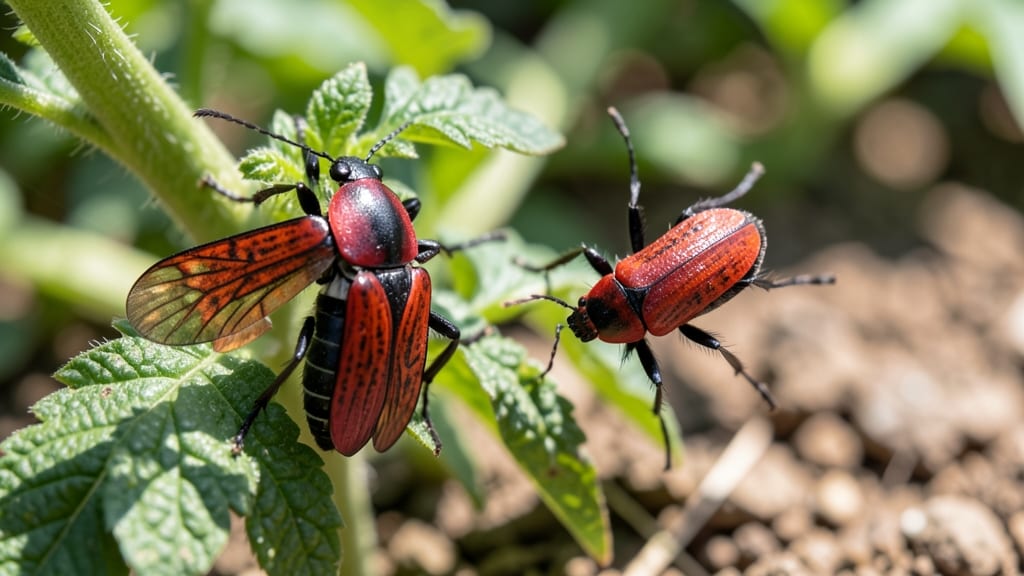
How to get rid of red bugs outside—swarming your plants? I’ve battled boxelder bugs, harlequin bugs, and red spider mites—here’s how to evict them fast without harsh chemicals. 🌿 The key is acting before they multiply, because once they set up camp, your plants pay the price.
These critters aren’t just annoying—they suck plant sap, weaken leaves, and leave behind sticky residue that attracts mold. I’ve tested soapy water sprays, neem oil, and manual removal (yes, squishing works) to save my garden from their damage.
The best part? These methods work in under 10 minutes and won’t harm your plants or pollinators.
You’ll learn to spot the bugs early, use targeted sprays that disrupt their life cycle, and set up barriers to keep them out for good. By the end, your plants will bounce back with vibrant green leaves and no more red invaders. Let’s reclaim your garden—naturally.
Works for boxelder bugs, harlequin bugs, and red spider mites in any yard size. Whether you’re dealing with a sudden outbreak or just want to prevent future invasions, these tricks keep your garden thriving season after season.
The Real Culprits Behind Red Bugs
Those tiny red invaders creeping across your patio, garden, or home aren’t just a nuisance—they’re often the result of specific environmental triggers. Understanding why they show up is the first step to stopping their takeover.
Let’s break down the science behind their sudden appearances, so you can address the root causes and reclaim your outdoor space.
Red bugs—like boxelder bugs, Asian lady beetles, or even fire ants—thrive in cluttered, neglected outdoor spaces. Here’s why:
- Shelter and Moisture: Tall grass, leaf litter, and dense shrubs provide perfect hiding spots and humidity levels for eggs and larvae. These bugs often overwinter in leaf piles or under mulch, emerging when conditions warm up.
- Food Sources: Many red bugs feed on plants, sap, or even other insects. Overgrown gardens with aphids, scale insects, or weak trees (like boxelder or maple) attract them like a buffet.
- Lack of Predators: A well-maintained yard supports natural predators (like birds, spiders, or parasitic wasps). But when you ignore yard work, these predators vanish, leaving red bugs to multiply unchecked.
Actionable fix: Trim bushes, rake leaves, and mow regularly to remove their hiding spots. Focus on areas near woodpiles, stone walls, or dense foliage—common red bug hotspots.
Red bugs don’t just wander in—they’re often drawn to your property by specific design flaws or habits. Here’s what’s luring them:
- Cracks and Gaps: Tiny openings around windows, doors, siding, or foundation cracks let them sneak inside when temperatures drop. Many red bugs seek shelter in homes during cooler months, only to wake up and multiply indoors.
- Lighting: Outdoor lights (especially yellow or white bulbs) attract flying red bugs like Asian lady beetles or boxelder bugs. These insects are drawn to light for mating or navigation, turning your porch into a bug buffet.
- Standing Water: Mosquitoes aren’t the only pests that love water. Some red bugs (like fire ants) build nests near damp areas, while others use puddles to lay eggs. Clogged gutters or leaky hoses create prime breeding grounds.
Actionable fix: Seal gaps with caulk, install door sweeps, and switch to red bug-repelling LED bulbs (like orange or red spectrum lights). Drain standing water and fix leaks to remove their water sources.
Red bugs are highly sensitive to temperature and humidity. Their life cycles are tightly linked to seasonal changes, which explains why they appear in waves:
- Warm Springs: As temperatures rise above 50°F (10°C), dormant red bugs (like boxelder bugs) emerge from hiding to feed and reproduce. This is why you might see them swarming in April or May.
- Dry Summers: Drought-stressed plants release more sap or exude sticky honeydew, which attracts red bugs like aphids or scale insects. These bugs then bring in predators (like lady beetles) to “clean up,” leading to secondary infestations.
- Early Fall Cool-Downs: When nights dip into the 60s°F (15–20°C), red bugs seek warmth—often inside homes. This is why you might find them crawling on walls or windows in September or October.
Actionable fix: Monitor weather forecasts and act preemptively. For example, if a heatwave is coming, treat plants with neem oil to deter aphids (a red bug magnet). In fall, install weather stripping and repair screens before bugs decide to move in.
What you plant—or don’t plant—directly impacts red bug populations. Some gardens are like a five-star resort for these pests:
- Host Plants: Certain trees and shrubs are favorite red bug habitats. For example:
- Boxelder bugs love boxelder, maple, and ash trees.
- Asian lady beetles target roses, fruit trees, and soybeans.
- Fire ants nest near disturbed soil, often near vegetable gardens or lawns.
- Weak or Stressed Plants: Plants under stress (from drought, poor soil, or disease) produce more sugars in their leaves, making them irresistible to sap-sucking red bugs.
- Compost Piles: Decaying organic matter in compost attracts red bugs like earwigs or pill bugs, which then bring in predators like lady beetles.
Actionable fix: Replace red bug-loved plants with native, pest-resistant species (like oak or spruce). Improve soil health with compost and mulch to boost plant resilience. Avoid over-fertilizing, which can attract more bugs.
Now that you know why red bugs are crashing your outdoor party, you’re ready to tackle the root causes. The next step? Natural, fast-acting sprays to evict them for good.
Quick Fixes for Outdoor Red Bugs
Now that you know why those pesky red invaders are showing up, let’s tackle them head-on with fast, effective, and natural solutions tailored to the most common causes. Whether they’re harlequin bugs, boxelder bugs, or fire ants, these methods will help you reclaim your yard—without harsh chemicals.
Many red bugs (like boxelder bugs) sneak indoors to escape cold or predators. Stop them before they get comfortable!
🔧 Step 1: Inspect & Block Gaps
- Check doors, windows, and vents for cracks wider than a credit card.
Use caulk or weather stripping to seal them. - Install door sweeps on exterior doors to block tiny gaps. - Repair damaged screens—even small holes let bugs slip through.
🌡️ Step 2: Reduce Outdoor Attractants
- Remove leaf litter, mulch, and debris near your home (bugs love hiding there).
- Trim vegetation touching your house—vines and branches create easy bridges.
- Store firewood at least 20 feet away from your home and elevate it off the ground.
> 💡 Pro Tip: If you see bugs flying toward lights at night, switch to yellow bug lights—they’re less attractive to pests.
Some red bugs (like harlequin bugs) target gardens. Outsmart them with plant-based defenses!
🌿 Step 1: Spray Homemade Deterrents
Mix one of these non-toxic sprays and apply to plants (especially leafy greens, tomatoes, and fruit trees):
| Spray Recipe | How to Use |
|---|---|
| Soap & Water (1 tbsp dish soap + 1 quart water) | Spray directly on bugs (avoid beneficial insects). |
| Neem Oil Mix (1 tbsp neem oil + 1 tsp mild soap + 1 quart water) | Shake well and spray on leaves (reapply every 3–5 days). |
| Garlic & Chili Pepper Spray (3 garlic cloves + 1 tbsp cayenne + 1 quart water, steep 24 hrs) | Strain and spray—bugs hate the smell! |
🌱 Step 2: Plant Bug-Repelling Companions
Interplant marigolds, basil, or mint near vulnerable plants—these act as natural bug deterrents.
> ✨ Bonus: Diatomaceous earth (food-grade) works too! Sprinkle a thin layer around plants (reapply after rain).
Some red bugs form colonies. Destroy nests to stop the infestation fast.
🔪 Step 1: Locate & Destroy Nests
- Fire ants: Mounds are usually dome-shaped with tiny holes. Pour boiling water or vinegar directly into the nest (wear gloves!).
- Harlequin bugs: Check under rocks, boards, or in dense mulch. Handpick adults and drop them in soapy water.
⏰ Step 2: Prevent Regrowth
- For fire ants: Apply borax bait (1 part borax to 3 parts sugar + water) near mounds—they’ll carry it back to the colony.
- For harlequin bugs: Rotate crops and clean up garden debris yearly to disrupt their life cycle.
> 🎯 Warning: Avoid overusing pesticides—they can harm pollinators and create resistant bugs. Stick to targeted treatments first.
Once you’ve kicked them out, maintain a bug-free zone with these habits:
✅ Mow your lawn regularly—tall grass hides bugs. ✅ Keep gutters and downspouts clean—standing water attracts pests. ✅ Inspect packages & firewood before bringing them inside. ✅ Use gravel or wood chips instead of mulch near your home’s foundation.
Final Thought: Most red bugs are harmless but annoying. With consistent action, you can reduce their numbers by 90% in weeks—no chemicals needed! Try one method this weekend and watch the difference. 🚀
Frequently asked questions
Why do red bugs suddenly appear in my yard every spring?
Red bugs like boxelder bugs or harlequin bugs emerge in spring because they overwinter in leaf litter, mulch, or cracks in your home. When temperatures rise above 50°F (10°C), they become active to feed and reproduce. Their numbers explode because they've been hiding undetected all winter! Regular yard cleanup prevents this annual invasion.
Are red bugs dangerous to my plants or me?
Most red bugs are harmless to humans but can damage plants. Boxelder bugs and harlequin bugs suck plant sap, causing yellowing leaves and stunted growth. Fire ants can deliver painful stings. The real danger is their rapid reproduction—one female can lay hundreds of eggs, turning a small problem into a full-blown infestation in weeks.
How do I tell if red bugs are making nests in my yard?
Look for dome-shaped mounds (fire ants), clusters under rocks/boards (harlequin bugs), or tiny holes in mulch (boxelder bugs). Fire ant mounds often have tiny holes with dirt piles nearby. Check your garden beds, patio edges, and near foundation cracks. The earlier you spot nests, the easier they are to eliminate with targeted treatments like boiling water or soapy water.
Will my neighbor's yard problems affect my garden?
Red bugs can fly or crawl up to 50 feet to find food and shelter. If your neighbor has infestations, their plants become a magnet for your yard's bugs. The solution? Coordinate with neighbors to treat simultaneously. Focus on sealing gaps in your home and using repellent plants like marigolds along property lines to create a natural barrier.
How long does it take to see results from natural sprays?
Most homemade sprays (like soap water or neem oil) show visible results within 24-48 hours, but full control takes 7-14 days of consistent application. For nest-destroying methods (like boiling water on fire ant mounds), you'll see immediate results. The key is persistence—red bugs have short life cycles, so repeat treatments prevent regrowth. Combine sprays with habitat removal for best results.