
Pests
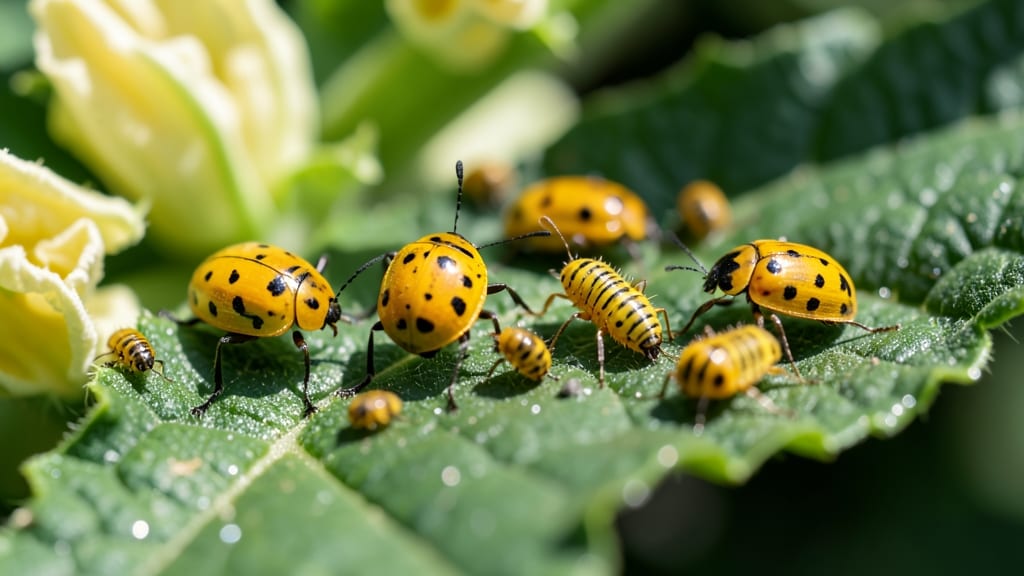
How to get rid of these sneaky lady beetles—the shield-shaped squash bugs that turn your harvests into a battleground. 🌿 I’ve lost entire vines to these invaders until I discovered the hot water drench that stops them dead (literally) in their tracks. This isn’t just another spray; it targets their life cycle where it matters most: the eggs and young nymphs hiding under leaves.
The secret? Timing and technique. A boiling water drench (1 gallon per 10 plants) poured directly on infested foliage kills eggs on contact. Do this in early morning when bugs are sluggish, and repeat weekly until new growth appears.
No harsh chemicals—just physics and patience. Even my stubborn squash plants perked up within days.
You’ll see fewer adults crawling around by mid-season, and those that remain are easy to pluck by hand. The real win? Your zucchini and pumpkins will finally thrive without the telltale yellowing leaves or stunted growth. This method works for gardeners who refuse to compromise on organic practices.
For stubborn cases, add a layer of row covers in late spring to block adults before they lay eggs. Combine that with crop rotation (move squash family plants every 3 years), and you’ll break their cycle for good.
No more sneaky squash bugs ruining your harvests—just healthy plants and bountiful yields.
Root Causes Behind Lady Beetle Infestations
Squash lady beetles—also called squash bugs or Anasa tristis—aren’t just a nuisance; they’re strategic survivors. Understanding why they target your garden helps you outsmart them. These pests don’t just show up randomly; they’re drawn by specific conditions that make your plants an all-you-can-eat buffet.
Let’s break down the science behind their invasion.
Squash lady beetles thrive in dense, unmanaged plantings. When vines like squash, pumpkins, or cucumbers grow too close together, they create the perfect hiding spot. Here’s why:
- Shady Microclimates: Thick foliage traps moisture, keeping soil damp—ideal for their egg-laying habits. Eggs need consistent humidity to survive.
- Limited Predator Access: Birds and beneficial insects (like lacewings) avoid tangled vines, giving squash bugs a head start.
- Stress Signals: Overcrowded plants release stress chemicals that attract pests, including squash bugs. Think of it as a distress flare for insects.
Pro Tip: 🌡️ Space plants 3–4 feet apart to improve airflow and reduce hiding spots. Prune regularly to keep foliage open.
Squash bugs are masters of camouflage, and garden debris is their stealth armor. Leaves, plant residue, and mulch piles provide:
- Winter Shelter: Adults overwinter in leaf litter or under mulch, emerging in spring ready to reproduce.
- Egg-Laying Camouflage: Females glue their eggs to the undersides of leaves or stalks—hidden from prying eyes (and sprays).
- Moisture Retention: Decaying organic matter keeps soil damp, speeding up their life cycle.
Pro Tip: ✨ Clear garden beds thoroughly in fall and spring. Remove all plant debris, even from under mulch layers.
Squash bugs don’t just feed on healthy plants—they target weakened ones. Here’s how stress makes your crops irresistible:
| Stress Factor | Why It Attracts Them |
|---|---|
| Nutrient Deficiencies | Plants low in nitrogen or potassium have thinner cell walls, making them easier to pierce with their mouthparts. |
| Drought Stress | Wilting plants produce more sugars in their sap—a sweeter, more attractive snack for squash bugs. |
| Fungal/Bacterial Infections | Infected plants emit volatile organic compounds (VOCs) that act like a dinner bell for pests. |
| Compaction or Poor Drainage | Waterlogged roots release toxins that stress the plant, making it more vulnerable to squash bug attacks. |
Pro Tip: 💪 Test soil pH and fertility annually. Use drip irrigation to avoid wetting foliage (which spreads diseases).
Squash bugs time their attacks like a military operation. Their life cycle has four stages, each triggered by specific conditions:
- Overwintering Adults: Emerges in early spring (March–April) when soil temps hit 50°F (10°C). They seek out young, tender plants.
- Egg-Laying: Females lay 20–30 eggs in clusters on the undersides of leaves. Eggs hatch in 7–10 days if humidity is high.
- Nymph Stage: Tiny, flat-backed nymphs feed aggressively for 4–6 weeks, molting 5 times before becoming adults.
- Second-Generation Adults: By mid-summer, a new wave of adults appears, laying eggs for a fall generation that overwinters.
If your garden is already established when adults emerge, you’re already losing the battle. Early intervention is key.
Pro Tip: 🔥 Set up yellow sticky traps in early spring to monitor adult activity. If you see them, act fast—before eggs appear!
Solutions That Actually Work
Now that you understand why squash lady beetles (also called squash bugs) invade your garden, it’s time to take action. These pests are tough, but with the right strategies, you can reclaim your plants—without resorting to harsh chemicals.
Below, we break down targeted fixes for each cause, plus preventive steps to keep them away for good.
Squash bugs thrive in dense, unmanaged gardens where they hide and multiply. Fix it fast with these steps:
- 🍅 Thin Your Plants Early
- Space squash, pumpkin, and cucumber plants 3–4 feet apart (check seed packet guidelines).
- Remove excess seedlings when they’re young—before bugs move in. Use clean shears or gloves to avoid spreading eggs.
- 🌱 Rotate Your Planting Zones
- Avoid planting squash or cucurbits in the same spot every year. Rotate to a new area of your garden to starve out overwintering eggs.
- Pro Tip: 💡 Interplant with marigolds, nasturtiums, or radishes—these repel squash bugs naturally.
- 🌡️ Mulch Smartly
- Use straw or grass clippings (not wood chips) to smother egg-laying sites.
- Refresh mulch mid-season to disrupt hidden eggs.
Squash bugs lay hundreds of eggs in clusters on leaves and stems. Catch them early with these methods:
- 🔪 Hand-Scrape Eggs (Best in Early Season)
- Inspect undersides of leaves (especially squash and pumpkin vines) for tiny brown egg clusters (size of a pinhead).
- Scrape them into soapy water (1 tbsp dish soap + 1 gallon water) to kill them instantly.
- ⏰ Do this weekly from late spring to early summer—that’s when eggs hatch!
- 🕷️ Use Yellow Sticky Traps
- Hang yellow cards or traps near plants to catch adult beetles before they lay eggs.
- Replace traps every 2–3 weeks for maximum effectiveness.
- 🌿 Plant Trap Crops
- Grow zucchini or summer squash in a separate patch far from your main garden.
- Let bugs infest it, then remove and destroy the plants (bag them and toss in trash—don’t compost!).
Once adults appear, they sap your plants dry in days. Shock them with heat and block their access:
- 🔥 Hot Water Drench (Most Effective Method)
- When? Early morning or late evening (avoid direct sun).
- How?
- Mix 1 gallon water + 1 tbsp dish soap (or neem oil).
- Heat water to 110–120°F (use a thermometer—boiling kills plants!).
- Pour directly onto beetles and eggs on leaves/stems.
- Repeat every 3–4 days until no more bugs appear.
- ✨ Why It Works: The heat disrupts their waxy exoskeleton, killing them instantly.
- 🛡️ Physical Barriers
- Row Covers: Use floating row covers (lightweight fabric) over young plants to block adults.
- Collars: Wrap cardboard or aluminum foil around stems of seedlings to prevent egg-laying.
- 🕷️ Beneficial Predators (Long-Term Fix)
- Attract ladybugs, lacewings, and parasitic wasps by planting dill, fennel, or yarrow.
- Release praying mantises (buy online) for heavy infestations.
The best defense? Break their life cycle with these low-effort habits:
| Prevention Step | How to Do It | When to Do It |
|---|---|---|
| 🌱 Clean Up Debris | Remove all plant residue after harvest. | Fall & Spring |
| 🔍 Inspect New Plants | Check store-bought seedlings for eggs. | Before planting |
| 🌿 Companion Planting | Grow basil, mint, or thyme near squash. | Planting season |
| 🚫 Avoid Overwatering | Keep soil dry to deter egg-laying. | Growing season |
💡 Pro Tip: If you’ve had squash bugs before, treat soil with diatomaceous earth in early spring to kill overwintering eggs.
By combining hot water drenches, early scraping, and smart gardening, you can eliminate squash bugs—without chemicals. Start today, and your garden will thank you! 🌿💪
Frequently asked questions
Are squash lady beetles the same as squash bugs?
Yes! They’re one and the same—squash lady beetles are the common name for squash bugs (Anasa tristis). These shield-shaped pests are the sneaky culprits behind wilted squash vines. The key difference? They’re not true lady beetles (those are the beneficial spotted ones). These guys are plant vampires that suck sap and lay eggs on the undersides of leaves.
Why does hot water work better than soap sprays alone?
The heat (110–120°F) is the game-changer! Plain soap sprays can’t penetrate their waxy exoskeleton, but hot water disrupts their cell membranes instantly. The soap helps break surface tension so the water sticks to leaves and reaches hidden eggs. For maximum effect, apply in early morning when bugs are sluggish and repeat every 3–4 days until no more appear.
Can I use this method on all my garden plants?
Stick to squash, pumpkin, cucumber, and melon plants—these are their favorite targets. Avoid spraying hot water on delicate flowers or herbs (like basil or mint), as the heat can damage foliage. For other plants, focus on hand-picking adults or using yellow sticky traps instead. Always test a small leaf area first if you’re unsure.
What if I find eggs but no adult beetles yet?
Act immediately—eggs hatch in just 7–10 days! Scrape clusters into soapy water daily until all are gone. For stubborn cases, try a neem oil spray (1 tsp oil + 1 quart water) on egg sites—it smothers them without harming plants. Check the undersides of leaves and stems every 2–3 days during peak egg-laying season (late spring to early summer).
Will crop rotation really stop them?
Squash bugs overwinter in soil, so planting in the same spot yearly gives them a head start. Rotate to a new garden bed every 3 years to break their life cycle. For extra protection, interplant with marigolds or nasturtiums, which repel them naturally. Combine this with fall cleanup (remove all plant debris) to eliminate overwintering eggs.