
Pests
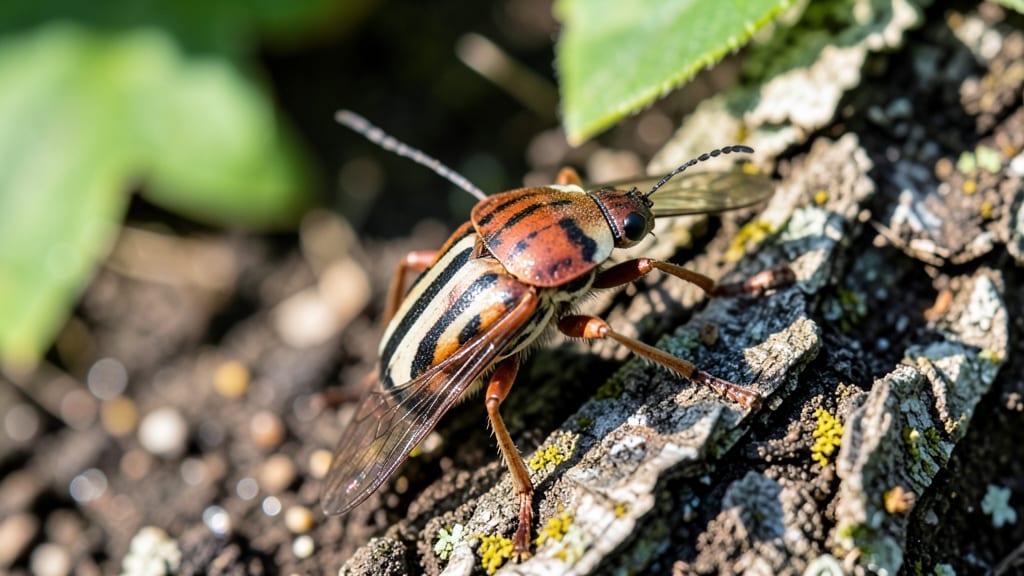
How to get rid of boxelder bugs permanently—these shield-backed pests won’t stand a chance with the right fall strategy. 🌿 I’ve battled these uninvited guests for years, and I finally cracked the code with a boiling water barrier that smothers every life stage—eggs, nymphs, and adults—before they can multiply.
The key is combining this permanent smothering technique with natural deterrents like diatomaceous earth around your foundation and under eaves. Most people just spray chemicals and watch them return next season—don’t be that gardener.
This method works because it targets their breeding grounds while keeping your yard safe for kids and pets.
By next spring, your property will be boxelder-bug-free, and your plants will thank you for it. The secret? Timing—apply the boiling water treatment in early fall when they’re most vulnerable, then reinforce with seasonal checks. No more clusters on windows or under gutters.
This isn’t just a quick fix—it’s a long-term strategy that transforms your yard into a bug-free zone. Ready to reclaim your outdoor space? Let’s get started with the step-by-step plan that actually works.
Root Causes Of Boxelder Infestations
Boxelder bugs—those shiny, red-and-black invaders—don’t just appear out of nowhere. Their presence is a direct result of environmental cues, plant chemistry, and even human activity. Understanding why they show up in your home or yard is the first step to stopping them for good.
Let’s break down the science behind their behavior and habits.
Boxelder bugs (Boisea trivittata) have a monogamous relationship with boxelder trees (Acer negundo), which produce their primary food: boxelder seeds. These trees are common in urban and suburban areas because they’re fast-growing and drought-resistant. Here’s why they’re irresistible:
- Seed-rich diet: Boxelder trees produce winged samaras (those helicopter-shaped seeds). When the seeds ripen in late summer, they become a nutrient goldmine for boxelder bugs, packed with sugars and proteins.
- Chemical signals: The trees release volatile organic compounds (VOCs) that act like a dinner bell, drawing bugs from miles away. These compounds are especially strong when seeds are maturing.
- Overpopulation: A single boxelder tree can host thousands of bugs in a season. When trees are clustered (like in parks or neighborhoods), bugs spill over into nearby homes.
Actionable insight: If you have boxelder trees—or even just one nearby—you’re essentially running a bug buffet. The more trees, the bigger the infestation risk. 🌳🐛
Boxelder bugs are cold-intolerant. When temperatures drop below 50°F (10°C), they enter a survival mode called diapause, a dormant state that helps them endure winter. But they can’t survive freezing, so they migrate to:
- Sun-facing walls: Southern or western exposures trap heat, making them prime real estate. Bugs cluster under siding, eaves, or window frames.
- Cracks and crevices: Gaps around utility pipes, vents, or foundation seams provide easy entry points. Even a 1/16-inch gap is enough for them to squeeze in!
- Attics and garages: These spaces act as insulated chambers, keeping bugs cozy until spring. Once inside, they won’t leave until temperatures rise.
Why it matters: Your home isn’t just a temporary stop—it’s a lifesaving shelter. Bugs that overwinter in your walls will re-emerge in spring, ready to reproduce and repeat the cycle. ❄️🏠
Boxelder bugs are highly sensitive to temperature shifts. Their life cycle is tightly linked to seasonal changes, and certain weather patterns accelerate their activity:
Key triggers:
- Warm fall spells: Unseasonably warm days in October or November trick bugs into emerging early from diapause, leading to premature indoor invasions.
- Mild winters: Regions with minimal freezing (like the South or urban heat islands) allow bugs to survive longer, increasing population sizes.
- Sudden cold snaps: A hard freeze can kill off outdoor bugs, but those already inside your home remain protected—leading to larger spring outbreaks.
Pro tip: If you’ve noticed boxelder bugs appearing earlier than usual, it’s likely due to unpredictable weather patterns. Climate change is also expanding their range—bugs are now found further north than ever before. 🌍📉
Sometimes, we accidentally invite them in. Common human behaviors that give boxelder bugs a foothold include:
- Ignoring outdoor debris: Piles of leaves, mulch, or wood near your home create hidden microclimates where bugs can hide during the day and emerge at night.
- Poor sealing around entry points: Many homeowners overlook small gaps around doors, windows, or even chimney caps. A single unsealed hole can become a highway for thousands of bugs.
- Landscaping choices: Planting boxelder trees near your home (within 50 feet) ensures a constant food supply right outside your door. Even female boxelder trees (which produce seeds) are worse offenders.
- Delaying treatment: Many people wait until bugs are already inside before acting. By then, the bugs have laid eggs, and the infestation is locked in for the season.
Key takeaway: Boxelder bugs exploit opportunities we create. The longer you ignore their entry points or food sources, the more entrenched they become. 🚪🔍
Permanent Fixes for Boxelder Bugs
Boxelder bugs are stubborn pests, but with the right strategies, you can eliminate them for good. The key is addressing their life cycle—from eggs to adults—while making your property less inviting.
Below are targeted solutions based on the root causes of infestations, paired with prevention tips to keep them away long-term.
Boxelder bugs lay eggs in clusters on tree bark, sidewalks, and building exteriors. If you catch them early, you can stop the next generation cold.
- 🔍 Inspect & Scrape Eggs
- Use a magnifying glass to spot egg masses (tiny, flat, and tan) on boxelder trees, cracks in siding, or under eaves.
- Scrape them into soapy water (1 part dish soap to 1 part water) to kill them instantly. ⚠️ Wear gloves—some people react to their scent!
- Best time: Late summer to early fall (before eggs hatch in spring).
- 🌡️ Freeze or Burn Eggs
- If scraping isn’t an option, freeze egg clusters for 24 hours (works for outdoor eggs).
- For stubborn clusters, light them on fire (safely, in a metal container) to destroy them.
💡 Pro Tip: Focus on boxelder, maple, and ash trees—these are their favorite egg-laying spots.
Adult boxelder bugs sneak in through tiny gaps in your home’s exterior. A boiling water barrier (like the one in our featured method) works wonders, but sealing entry points is just as critical.
- 🔧 Caulk & Weatherstrip
- Seal cracks in windows, doors, siding, and foundation with caulk or silicone sealant.
- Install door sweeps and weatherstripping to block gaps around entryways.
- Pay extra attention to utility lines, vents, and chimneys—bugs exploit these!
- 🧹 Remove Debris & Mulch
- Clear leaves, bark, and mulch near your home’s foundation (they hide in these spots).
- Store firewood and lumber at least 20 feet away from your house.
✨ Prevention Hack: Apply diatomaceous earth (DE) around windows and doors—it dehydrates bugs on contact.
A boiling water barrier is one of the most effective ways to smother boxelder bugs where they gather. This method works because: ✅ Kills adults, nymphs, and eggs on contact. ✅ Safe for non-toxic pest control. ✅ Prevents reinfestation by creating a heat-treated zone.
👨🍳 Step-by-Step Boiling Water Method
- 🔥 Boil 1–2 gallons of water in a large pot (add a few drops of dish soap to break surface tension).
- 🌡️ Wait until it’s fully boiling (212°F+) for maximum effectiveness.
- 🚰 Slowly pour the water along: - Tree trunks (especially boxelder, maple, and ash). - Sidewalks, driveways, and cracks near infested areas. - Building foundations, siding, and eaves.
- ⏰ Repeat weekly (or after rain) for 4–6 weeks to cover all life stages.
⚠️ Safety Note: Avoid pouring on plants you want to keep—stick to bark, concrete, and non-porous surfaces.
Chemical sprays can work, but natural repellents are safer for families and pets. These disrupt their scent trails and make your property less appealing.
- 🍋 Citrus & Peppermint Spray
- Mix 1 cup water + 10 drops peppermint oil + 10 drops citrus oil in a spray bottle.
- Spray along foundation, windows, and entry points.
- Reapply every 3–5 days (or after rain).
- 🌿 Plant Bug-Repelling Herbs
- Lavender, basil, and mint around your home’s perimeter confuse their scent trails.
- Marigolds and geraniums also deter them—plant near doors and windows.
🎯 Long-Term Strategy: Combine boiling water treatments with repellent plants for a double-layered defense.
If your infestation is severe (hundreds of bugs indoors) or recurring despite treatments, it’s time to call an exterminator.
Look for one specializing in: - Heat treatments (kills eggs and adults in walls). - Insect growth regulators (IGRs) to disrupt their life cycle. - Perimeter barriers for long-term protection.
💡 Cost-Saving Tip: Get a free inspection first—many pros offer this to assess the best approach.
| Season | Task | Why It Works |
|---|---|---|
| Spring | Prune boxelder trees away from your home | Reduces egg-laying spots |
| Summer | Apply boiling water to tree bases monthly | Kills emerging nymphs |
| Fall | Seal all cracks and gaps | Prevents winter entry |
| Winter | Store firewood away from the house | Eliminates hiding spots |
By combining egg removal, sealing entry points, boiling water treatments, and natural repellents, you can break the boxelder bug life cycle and enjoy a pest-free home—permanently. 🚀
Frequently asked questions
Why do boxelder bugs keep coming back even after I treat them?
They return because most treatments only target visible adults, not eggs or nymphs hiding in cracks and trees. The boiling water barrier method works permanently because it smothers all life stages—eggs, nymphs, and adults—while sealing entry points prevents new invasions. Without addressing their breeding grounds, you'll see them back next season.
Is boiling water safe for my plants and pets?
For plants, only pour boiling water on tree trunks, concrete, and non-porous surfaces—never on leaves or soil. For pets, keep them away during treatment as the hot water can cause minor burns. The dish soap added to the water breaks surface tension but is diluted enough to be safe once cooled. Always test a small area first.
How often should I apply the boiling water treatment?
Apply it weekly for 4-6 weeks during their active season (late summer to early fall). This covers all life stages as eggs hatch and nymphs mature. After the initial treatment period, monthly applications during peak seasons will maintain the barrier. Rain may require reapplication, so check after heavy downpours.
Can I use this method if I don't have boxelder trees nearby?
While boxelder trees are their preferred food source, these bugs will still seek shelter in maple, ash, or other seed-producing trees. The boiling water method works regardless of tree type because it targets their hiding spots and entry points rather than just their food. Focus on treating tree bases, foundations, and cracks where they cluster.
What's the best time of day to apply the boiling water treatment?
Apply it on cool, overcast days when bugs are less active—early morning or late afternoon work best. Avoid midday heat as the water will cool too quickly before reaching their hiding spots. The goal is to maintain 212°F+ when poured, so timing matters for maximum effectiveness.