
How To
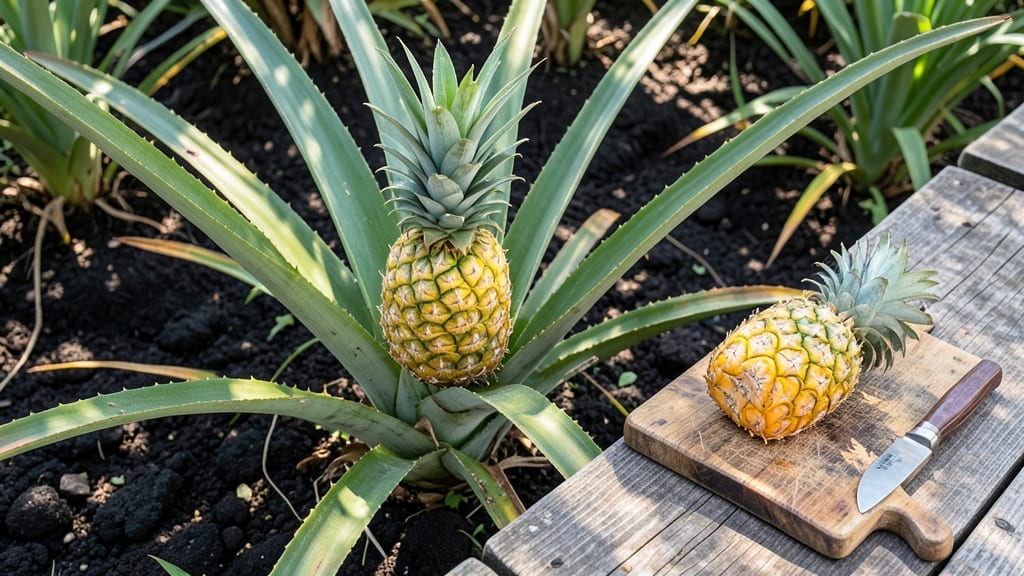
How to know when a pineapple is ready to pick can turn a bland harvest into a sweet, juicy triumph—yet most gardeners miss the subtle clues hiding in plain sight. Whether you're growing one in a sunny container or tending to a tropical patch, those 5 sensory tests hold the secret to perfect timing.
Picture this: a golden base, a sweet fragrance that hits you as soon as you walk by, and leaves that’ve started their graceful retreat.
These aren’t just random signs—they’re your pineapple’s way of saying, "I’m ready!" But here’s the catch: ignoring even one of these cues can mean the difference between a perfectly ripe fruit and one that’s still tough or already overripe.
I’ve spent years watching pineapples mature, and what I’m about to share will help you avoid the most common mistakes. No more guessing games—just clear, actionable steps to harvest your pineapple at its peak. Let’s cut through the confusion and get you that sweet, tropical reward you’re waiting for.
From the way the fruit feels when you give it a gentle squeeze to the telltale scent that lingers in the air, every detail matters. By the end of this guide, you’ll know exactly when to reach for that knife—and trust me, your taste buds will thank you.


5 Sensory tests to identify a ripe pineapple for harvesting
Harvesting a pineapple at the right time transforms your tropical plant into a juicy, sweet reward—but timing is everything. Unlike store-bought fruit, homegrown pineapples ripen on the plant, and missing the signs means sacrificing flavor. Here’s how to test ripeness using your senses before cutting.
Pineapples mature over 18–24 months, so patience is key. The golden-yellow base is the most obvious clue, but it’s only one piece of the puzzle. Combine these 5 sensory tests for accuracy: color, scent, leaf condition, weight, and sound. Each test confirms ripeness from a different angle.
🍍 Pro Tip: Never harvest based on size alone—some varieties stay small but pack intense flavor. Always cross-reference with these tests to avoid mistakes.
Combine these tests for confidence. For example, if the base is golden-yellow but the leaves won’t pull easily, wait 3–5 more days. Overripe pineapples develop a fermented smell and mushy texture—so act fast when all signs align!
Temperature matters too. Pineapples ripen slower in cooler climates (below 75°F). If you’re in Zone 9b or lower, harvest slightly earlier and ripen indoors to avoid overripening.
Once you’ve confirmed ripeness, use a sharp knife to cut the fruit, leaving 1–2 inches of stem attached. This preserves sweetness during storage. Store at room temperature for up to 3 days or refrigerate for longer shelf life.
🌱 Remember: Homegrown pineapples often taste far sweeter** than store-bought because they ripen naturally. Mastering these tests ensures you’ll never miss peak flavor again!
5 Sensory tests to identify a ripe pineapple for harvesting
Harvesting a pineapple at the right time requires more than just guessing—it’s about trusting your senses. Unlike store-bought pineapples, homegrown fruit ripens based on environmental cues, and missing these signs can leave you with a tart, underripe disappointment.
The key lies in 5 sensory tests that reveal when your pineapple is ready to pick: color, scent, leaf condition, firmness, and sound. Each test builds on the last, giving you a clear signal that your tropical treasure is at peak sweetness.
Start with the base color—this is your first clue. A ripe pineapple’s base transitions from green to a golden-yellow or light brown. This change happens naturally as the fruit matures, and it’s a reliable indicator that sugars are developing.
However, color alone isn’t enough; you’ll need to combine it with the next test to confirm ripeness. If the base is still green, your pineapple needs more time on the plant.
Check the Base Color
Look for a golden-yellow or light brown base. Avoid green bases—these indicate underripe fruit.
Sniff the Stem
A ripe pineapple emits a sweet, tropical fragrance near the stem. If it smells faint or sour, it’s not ready.
Inspect the Leaves
The outer leaves should brown and wither naturally. If they’re still vibrant green, the fruit isn’t ready.
Gently Squeeze the Fruit
A ripe pineapple feels slightly soft when pressed gently. If it’s rock-hard, it’s underripe; if it’s mushy, it’s overripe.
Listen for a Hollow Sound
Tap the pineapple—it should sound hollow when ripe. A dull thud means it’s not ready.
Combine these tests for accuracy. For example, a pineapple with a golden-yellow base but no sweet scent might still need time, while one with browning leaves and a sweet aroma is nearly ready.
Pro tip: Harvest in the morning when temperatures are cooler—this preserves the fruit’s freshness and makes it easier to judge ripeness.
If your pineapple passes all five tests, it’s time to harvest! Use a sharp, sterilized knife to cut the fruit about 1 inch below the base. Leave the crown intact if you plan to propagate new plants—it can sprout into a baby pineapple in time.
Once picked, store your pineapple at room temperature for a few days to let residual sugars develop fully.
🍍