
How To
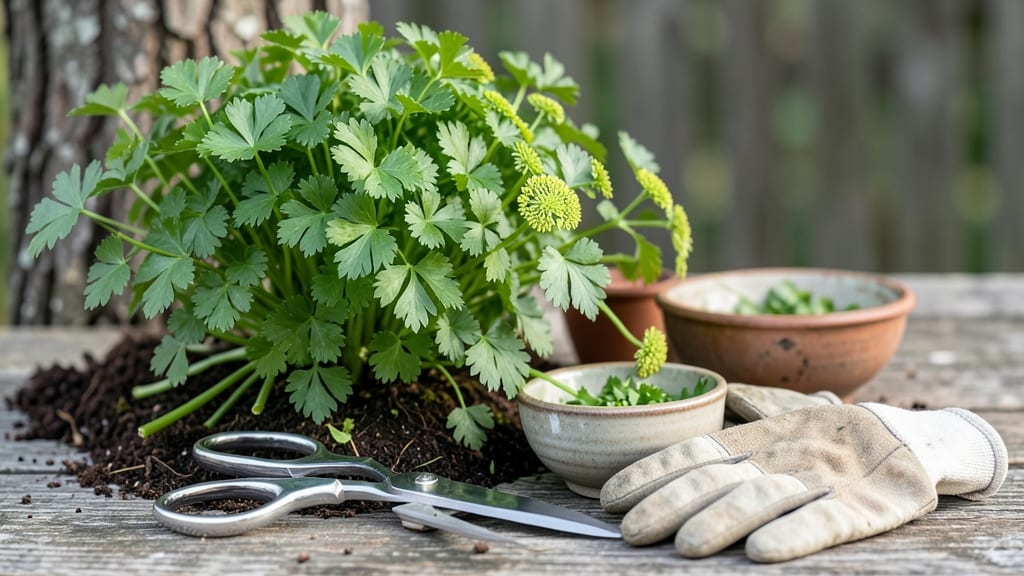
Picking fresh parsley isn’t just about grabbing the brightest green bunch—it’s about finding that perfect balance of vibrant leaves, crisp stems, and a fragrant aroma that makes your kitchen feel like a garden.
Whether you're harvesting from your own patch or selecting at the market, knowing the 3 simple tests can save you from wilted disappointment.
I’ve learned the hard way that parsley’s freshness isn’t always obvious. Those dull leaves or limp stems might look fine at first glance, but they’re actually red flags hiding in plain sight.
The key is checking for bright color, firm texture, and a fresh scent—details most people overlook until it’s too late.
In this guide, I’ll walk you through the exact steps I use to spot truly fresh parsley every time. No guesswork, just science-backed tricks to help you pick the best bunch and keep it fresh longer. Let’s cut through the confusion and get you growing—or selecting—like a pro.
From the leaf color gradient to the stem snap test, these methods work whether you’re a seasoned gardener or a first-time shopper. Ready to upgrade your parsley game? Let’s dive in.


3 Simple leaf tests to identify truly fresh parsley
When you’re standing in the produce aisle or browsing a farmer’s market, fresh parsley isn’t always easy to spot. The key lies in three science-backed tests that reveal what’s truly vibrant and what’s past its prime.
These tests focus on leaf color, stem firmness, and aroma intensity—the holy trinity of parsley freshness.
Start with the color gradient test. Fresh parsley leaves should be a deep, vibrant green with no yellowing or brown edges. The stems should also be a crisp white or pale green, not dull or grayish.
This color uniformity means the parsley was recently harvested and hasn’t been sitting for days.
Visual Element: Numbered Highlights
The stem snap test is my favorite trick because it’s foolproof. Grab a stem near the base and gently bend it. Fresh parsley stems should snap cleanly with a slight resistance.
If the stem bends, feels soft, or breaks unevenly, the parsley has been in storage too long and is losing its crispness.
Lastly, don’t forget the aroma intensity test. Crush a leaf between your fingers and take a deep sniff. Fresh parsley should release a bright, earthy, slightly citrusy aroma. If the scent is weak, musty, or nonexistent, the parsley is old and likely flavorless.
This test is especially important if you’re buying parsley for cooking—flavor fades faster than you think!
Why do these tests matter? Fresh parsley has higher levels of volatile oils, which give it that signature flavor. Once parsley starts to wilt, these oils degrade, leaving you with bland, sad-tasting leaves.
By using these three tests, you’re ensuring you bring home parsley that’s crisp, flavorful, and ready to elevate your dishes.
Pro tip: If you’re buying parsley for long-term storage, look for bunches with tighter leaf clusters. Loose leaves mean the parsley has already started to dry out. And always check the roots—if they’re still intact and white, that’s a great sign of freshness.
Now that you know how to spot truly fresh parsley, you’ll never settle for anything less than the best. Your meals—and your taste buds—will thank you! 🌿
3 Simple leaf tests to identify truly fresh parsley
When selecting parsley, don’t just grab the brightest green bunch—fresh parsley has specific visual and tactile clues that reveal its true quality. The leaf color gradient, stem snap test, and aroma intensity are science-backed indicators that separate just-picked parsley from wilted leftovers.
These tests help you avoid bitter, rubbery stems and dull flavors that ruin dishes.
Start with the leaf color gradient test. Fresh parsley leaves should display a vibrant green hue with a slight blue-green tint along the veins. Dull, yellowing leaves or brown edges signal age or poor storage.
Hold the bunch up to natural light—bright, even color means freshness, while uneven patches indicate wilting.
Next, perform the stem snap test. Grasp a parsley stem firmly and bend it gently. A fresh stem will snap cleanly with a slight crackling sound, while a woody or rubbery stem bends without breaking.
This test reveals moisture content—crisp stems stay fresh longer, while soft or mushy stems are past their prime.