
Pests
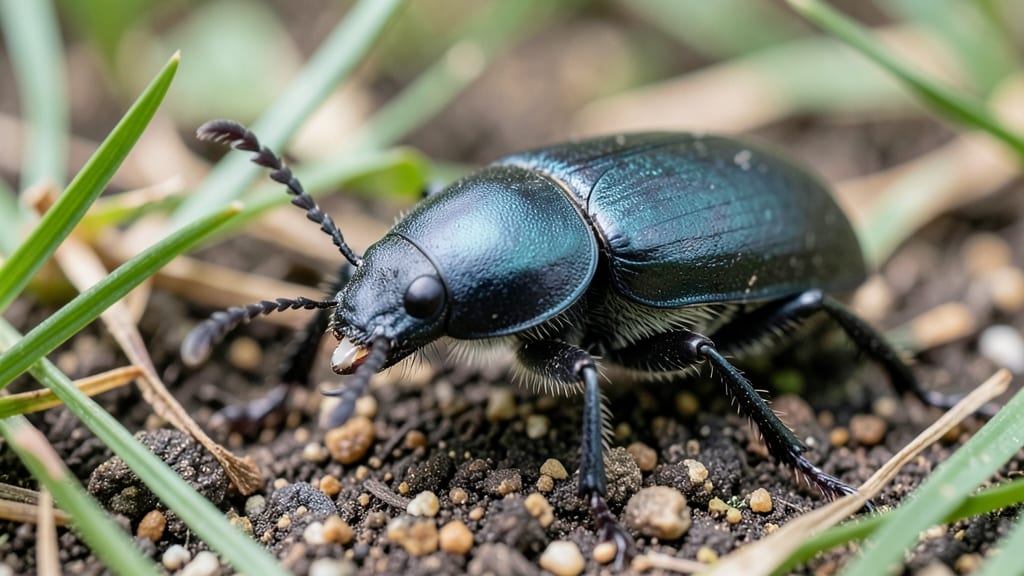
Want to get rid of lawn grubs organically without harsh chemicals? 🌱 I’ve battled them too—and the key to kicking them out for good lies in nematodes, nature’s tiny, hungry allies that outsmart pests without chemicals. These microscopic worms hunt grubs underground, breaking the cycle before damage spreads.
The worst part? You might not even know they’re there until your lawn looks like a golf course after a drought. Look for patches that peel back easily or moles suddenly digging up your yard—those are red flags.
The good news? Organic fixes like nematodes, milky spore, or even a few chickens (yes, really) can restore your grass in weeks.
By the end of this, your lawn will stay vibrant green and resilient, with grubs nowhere in sight. No more guessing—just science-backed steps that work, even for beginners. Let’s get your grass back to its best.
Works for any lawn size, from small patches to full backyards. The secret? Timing and consistency—no shortcuts needed.
Root Causes of Lawn Grub Infestations
Grubs—those squirming, C-shaped larvae of beetles—can turn your lush lawn into a patchy, brown eyesore faster than you can say "organic pest control." But why do they show up in the first place?
The answer lies in a mix of environmental conditions, lawn health, and the life cycles of their parent beetles. Let’s dig into the real reasons these pests invade your yard and thrive.
Grubs love a buffet—and your lawn’s thick, soft roots provide the perfect all-you-can-eat meal. When you overwater or over-fertilize, you’re essentially creating a grub paradise. Here’s why:
- Excess moisture softens the soil, making it easier for grubs to burrow and feed on roots. Think of it like turning your lawn into a soggy sponge they can’t resist.
- Rich organic matter from over-fertilization (especially nitrogen-heavy fertilizers) fuels rapid grass growth—but it also gives grubs a feast of tender roots to munch on.
- Weakened turf: Overwatering can suffocate roots by cutting off oxygen, stressing the grass and making it even more vulnerable to grub attacks.
Pro Tip: 💡 Test your soil before fertilizing—grubs thrive in lawns with high organic content. Aim for a balanced approach: water deeply but infrequently (1–1.5 inches per week) and fertilize only when needed.
Grubs don’t just appear out of nowhere—they’re the offspring of beetles, and their parents are very picky about where they drop their eggs. The most common culprits are:
- Japanese beetles 🪲: These metallic-green invaders lay eggs in compacted, dry soil (like fairways or lawns with poor drainage). Females tunnel just below the surface to deposit 40–60 eggs at a time!
- June bugs 🌙: Nocturnal fliers that prefer moist, well-drained soil—often found in lawns with recent construction or heavy foot traffic.
- Masked chafer beetles 🕵️: They target cool-season grasses (like Kentucky bluegrass) and lay eggs in warm, organic-rich soil.
Once eggs hatch (usually in late summer to early fall), the grubs go to work underground for 10–12 months before pupating into adult beetles. Timing is everything—if you spot beetles in June or July, expect grubs by August!
Grubs are cold-blooded, meaning they’re most active when the soil temperature hovers between 50°F and 85°F. If your lawn has:
- Poor drainage (leading to waterlogged spots), grubs thrive in the anaerobic (low-oxygen) zones.
- Compacted soil (from foot traffic, pets, or heavy machinery), which creates ideal hiding spots and protects them from predators.
- Thin turf (due to drought or disease), leaving roots exposed and easy pickings for grubs.
Science Note: 🌡️ Grubs migrate deeper in winter (below the frost line) and rise to the surface in spring/summer to feed. Compacted soil traps them near the roots, maximizing damage.
Neglecting your lawn’s health is like rolling out the welcome mat for grubs. Common mistakes include:
- Mowing too short: Stunts root growth, making grass weaker and grubs’ meals larger.
- Ignoring thatch buildup: A thick thatch layer (over ½ inch) traps moisture and organic matter—grub heaven.
- Not aerating: Compacted soil (from lack of aeration) smothers beneficial microbes and attracts grubs.
- Planting susceptible grasses: Grubs love cool-season grasses like Kentucky bluegrass, ryegrass, and fescue more than warm-season types (e.g., Bermuda or Zoysia).
Actionable Fix: ✨ Aerate your lawn in fall to break up compacted soil, reduce thatch, and improve root access to nutrients—grubs hate well-aerated turf!
Now that you know why grubs crash your lawn party, the next step is how to evict them—naturally. Stay tuned for organic solutions that outsmart these pests without harsh chemicals!
Natural Fixes for Grub-Infested Lawns
Grubs wreaking havoc on your lawn? Don’t reach for harsh chemicals—there are effective, organic solutions that restore your grass without harming the environment. Below, we’ll map out targeted fixes based on the root cause of your grub problem, plus prevention tips to keep them away for good.
Fix: Improve drainage and aerate to disrupt their habitat.
- 💧 Reduce Watering Frequency - Grubs love soggy soil. Water deeply 2-3 times per week (early morning) instead of daily light sprinkles.
Aim for 1 inch of water per week (including rain). - Pro Tip: 🌡️ Use a rain gauge or tuna can to measure—overwatering is a top cause of grub outbreaks!
- 🔨 Aerate Your Lawn
- Compacted soil traps moisture and grubs. Rent a core aerator (or hire a pro) to pull out small soil plugs in late spring/early summer.
- Bonus: Top-dress with compost afterward to improve soil structure.
- 🌱 Overseed Thin Spots
- Grubs feast on weak grass. After treating, overseed bare patches with grub-resistant grass types like tall fescue or Kentucky bluegrass.
Fix: Introduce natural predators to starve out grubs.
- 🦠 Apply Beneficial Nematodes (Heterorhabditis bacteriophora) - These microscopic worms infect and kill grubs in 48 hours.
Mix them with water and apply with a sprayer in the evening (they hate sunlight). - When to Treat: Late spring to early summer (when grubs are young and vulnerable). - Dosage: Follow label instructions—typically 1–5 million nematodes per 1,000 sq. ft.
- 🐦 Encourage Natural Predators
- Birds, toads, and ground beetles eat grubs. Install a birdbath or leave leaf litter in shady areas to attract them.
- Avoid pesticides! They kill beneficial insects too.
- 🌿 Use Milky Spore (Bacillus popilliae)
- A long-term organic solution that infects Japanese beetle grubs (common in the U.S.). Apply as a powder or liquid in early summer.
- Note: Takes 1–2 years to establish but provides decades of protection.
Fix: Strengthen your lawn’s defenses.
- 🌱 Fertilize Smartly
- Grubs target nitrogen-rich grass. Use a slow-release organic fertilizer (like compost or fish emulsion) in small doses (½ lb. nitrogen per 1,000 sq. ft.).
- Avoid: Fast-acting synthetic fertilizers—they create a grub buffet!
- 🌿 Mow High (3–4 Inches)
- Taller grass shades soil, reducing moisture and making it harder for grubs to survive. Sharpen your mower blade too—ragged cuts stress grass.
- 🚫 Pull Weeds (Especially Crabgrass)
- Weeds compete with grass for nutrients, making your lawn grub bait. Hand-pull or use vinegar-based weed killer in early spring.
- 🔄 Rotate Organic Treatments
- Alternate nematodes, milky spore, and neem oil (a natural repellent) every 2–3 years to prevent resistance.
- 🕰️ Time Your Treatments
- Grubs hatch in late spring/early summer—that’s when to strike! Apply nematodes or milky spore before they become a problem.
- 🧹 Dethatch Annually
- Thatch (that spongy layer) traps moisture and grubs. Rent a dethatcher in early fall to remove it.
- 🌡️ Monitor Soil Temperature
- Grubs are most active when soil temps hit 60–80°F. Check with a soil thermometer—if it’s in that range, treat now!
If your lawn has large dead patches (like a golf course divot) or grubs persist after treatment, consider:
- Hand-picking grubs (lift sod in small areas, dump them in soapy water).
- Professional organic pest control (some companies specialize in nematode applications).
Remember: Organic methods take patience and consistency, but they’re safer for kids, pets, and the planet—and your lawn will thank you for years! 🌱💚
Frequently asked questions
How do I know if my lawn really has grubs?
Look for these telltale signs: patches of grass that peel back easily (like sod), moles or skunks digging up your yard (they eat grubs), or wilted, brown patches that don’t recover after watering. Dig up a small section—if you see white, C-shaped larvae (1/4–1 inch long), those are grubs.
Can I use nematodes in hot or cold weather?
Nematodes thrive in soil temps between 50°F–85°F. Apply them in late spring/early summer when grubs are young and active. Avoid treating when soil is dry or frozen—they need moisture to move through the soil. Water lightly before and after application to help them establish.
Will chickens or ducks actually eat lawn grubs?
Yes! Chickens and ducks are grub vacuum cleaners. Let them free-range on your lawn for 2–3 hours per day in late spring/early summer. They’ll scratch up the grass, exposing grubs, and gobble them up. Just supervise to avoid over-grazing your lawn.
How long does it take to see results from organic treatments?
Nematodes and milky spore work fastest—you may see improvement in 2–4 weeks if grubs are young. For long-term prevention, milky spore takes 1–2 years to fully establish but can protect your lawn for decades afterward. Patience pays off!
Are there any organic sprays that repel grubs?
Yes! Neem oil (mixed with water and applied in the evening) disrupts grubs’ feeding and growth. Beauveria bassiana (a fungal spray) also infects grubs naturally. Reapply every 2–4 weeks during grub season for best results. Avoid synthetic insecticides—they harm beneficial predators.