
How To
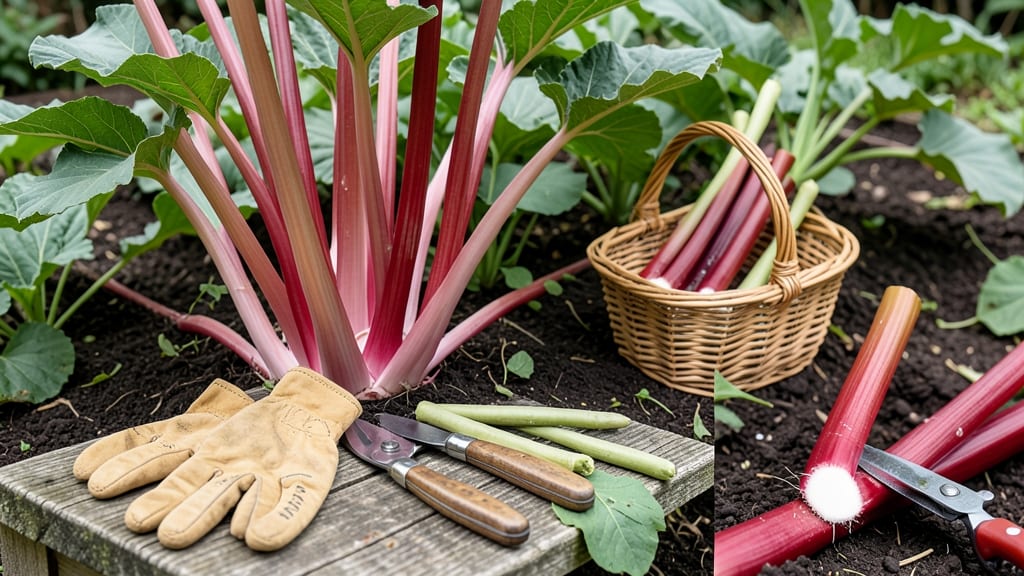
Knowing how to know when to pick rhubarb can mean the difference between a crisp, vibrant harvest and a mushy disappointment—especially when you're eager to enjoy the tart-sweet flavor. This perennial 🍃 thrives in USDA Zone 6, but even experienced gardeners sometimes struggle to time their harvest just right.
The key lies in three simple tactile tests: stalk size, color, and firmness. A perfectly ripe rhubarb stalk should be at least ½-inch thick, deep red or pink, and snap cleanly when bent—not fibrous or hollow.
But timing matters beyond just these cues, especially for first-year plants that need extra care.
In this guide, I’ll walk you through the exact moment to harvest for peak flavor, how to avoid common mistakes, and why overpicking can harm your plant’s future yields. Whether you're a seasoned gardener or just starting with rhubarb, these tips will help you master the harvest.
Ready to turn your garden into a rhubarb goldmine? Let’s dive into the secrets of picking at the perfect time—before your stalks lose their crispness or your plant gets stressed. Your taste buds (and future harvests) will thank you.


3 Tactile tests to identify perfectly ripe rhubarb stalks
Rhubarb stalks ripen at different rates depending on variety and growing conditions, but three simple tactile tests will reveal when they're ready for harvest. These methods—size check, color assessment, and the finger squeeze test—ensure you pick stalks at their peak for the best flavor and texture.
First, focus on stalk thickness. Mature rhubarb stalks should be at least ½-inch thick at the base. Use your thumb and index finger to measure—if the stalk feels like a thick pencil, it's ready. Thin stalks (<¼-inch) are still growing and will be tart and fibrous.
Next, examine the color uniformity. Ready-to-pick stalks display deep, vibrant hues—whether red, pink, or green—without green streaks. Run your fingers along the stalk: a smooth, consistent color means it's fully matured for harvest.
The finger squeeze test is my favorite trick—it reveals internal tenderness without cutting. Gently press the stalk between your thumb and forefinger. A ripe stalk should feel firm but slightly yielding, like a ripe cucumber.
If it's too hard, it needs more time; if it dents easily, it's past its prime and may be woody.
For first-year plants, wait until stalks reach 10-12 inches tall before testing. Young plants produce smaller stalks, so prioritize 3-5 stalks per plant to avoid stressing the crown. In subsequent years, you can harvest up to ⅓ of the stalks without harming the plant.
Another pro tip: Harvest in the morning when stalks are cool and crisp. Avoid picking after hot afternoons or rainy days, as this can make stalks mushy or waterlogged.
Always cut stalks at the base with a clean knife or pruners—never pull them, which can damage the crown.
Pay attention to the leaf health too. If leaves are wilted, yellowed, or spotted, the plant may be stressed, and stalks could be bitter or underdeveloped. Healthy leaves mean the plant is photosynthesizing properly, ensuring sweet, tender stalks.
For variety-specific cues, note that red varieties like 'Strawberry' tend to ripen slightly earlier than green types like 'Victoria'. Green rhubarb often takes 1-2 weeks longer to reach ideal thickness and color. Keep a harvest journal to track your plant's ripening patterns year to year.
Finally, avoid the temptation to overharvest. Even mature plants produce limited stalks per season. Leaving some stalks ensures the plant stores energy for next year's growth. Aim to harvest no more than ⅓ of the stalks in a single season to maintain a healthy yield.
3 Tactile tests to identify perfectly ripe rhubarb stalks
Rhubarb stalks mature at different rates depending on your USDA zone and growing conditions, but these three tactile tests work universally. The key is balancing size, color, and texture—skipping any test risks a bland or woody harvest.
Start by examining the stalk diameter; anything thinner than ½-inch at the base is still developing.
Next, check the color uniformity. Mature stalks develop deep, vibrant hues—crimson red, magenta pink, or emerald green, depending on the variety.
Pale or striped stalks need more time. Pro tip: Use your thumb to press gently—ripe stalks yield slightly but spring back, while overripe ones dent permanently.
The snapping test is my favorite—it’s foolproof. Hold a stalk near the base and bend it gently. A ripe stalk will snap cleanly with a slight crack, while unripe ones bend without breaking.
If it feels hollow or fibrous, wait 5-7 days before checking again. This test works best in morning hours when stalks are firmest.
For first-year plants, resist the urge to harvest at all—even if stalks pass the tests. Their energy goes into root development, and picking too early can stunt future growth. Wait until year two when the crown establishes a robust root system.
In colder zones (like Zone 5), delay harvesting until after the last frost (mid-April in most regions).
One mistake I made early on was harvesting stalks that were too long (over 14 inches). While they looked ripe, they became woody and tough by the time I cooked them.
Aim for 10-12 inches—this ensures tenderness without sacrificing yield. Always cut stalks at the base with a sharp knife or shears to avoid damaging the crown.
After harvesting, store stalks in the fridge for up to 2 weeks, wrapped in a damp paper towel to maintain crispness. For long-term storage, freeze them whole or chopped.
Remember: never harvest more than ⅓ of the stalks at once, or you’ll weaken the plant for next season’s harvest. 🌱