
How To
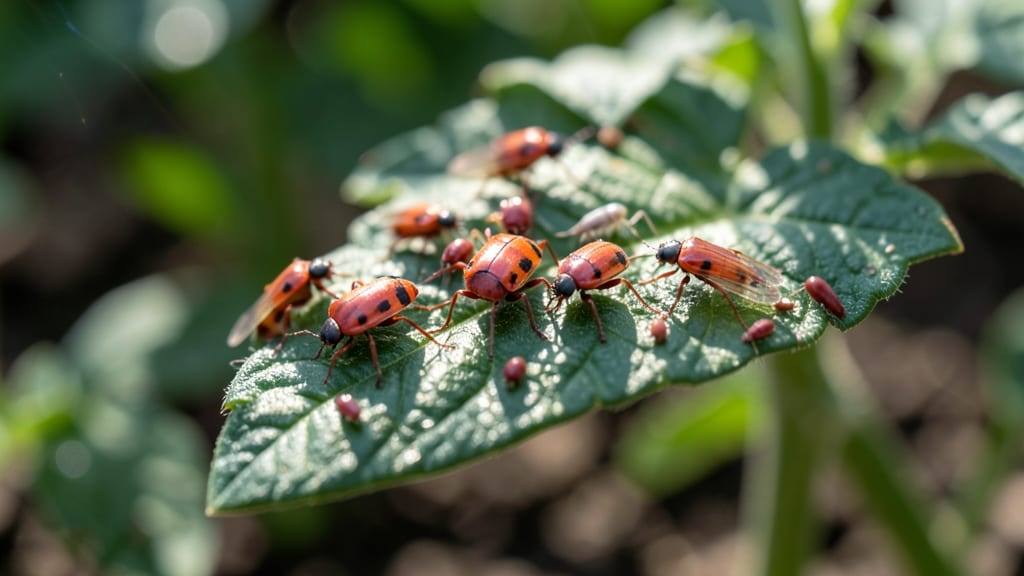
If you’re dealing with an invasion of tiny red bugs outside, you’re not alone—and the good news is you can get rid of them fast with the right organic spray. 🌿 These pests (likely chiggers or harvestmen) multiply quickly, but the key is acting fast with a solution that works in hours, not weeks.
Most store-bought sprays fall short because they’re too harsh or don’t target these specific pests. My go-to mix uses neem oil, dish soap, and water—it’s safe for kids, pets, and your garden while breaking down their protective shells. The secret?
Spraying early morning or evening when bugs are most active. You’ll see results almost immediately: fewer bugs crawling on plants, lawn, or even your skin. The spray also prevents future infestations by disrupting their life cycle, so you won’t keep fighting the same battle every season.
Works for patios, gardens, and even around playgrounds—no more scratching or ruined outdoor time. Here’s exactly how to make and apply it without harming your yard.
Root Causes of Tiny Red Invaders
Those pesky tiny red bugs swarming your porch, garden, or patio aren’t just a random nuisance—they’re often drawn to your space for very specific reasons. Understanding why they show up is the first step to stopping them before they become a full-blown infestation.
Let’s break down the science behind their uninvited visits.
Many tiny red bugs—like harlequin bugs, fire ants, or chiggers—are attracted to areas with dense vegetation, mulch, or leaf litter. These spots provide shelter, moisture, and food sources like decaying plant matter or sap-sucking insects. For example:
- Harlequin bugs (with their striking red-and-black patterns) lay eggs in cruciferous plants (think kale, cabbage, or broccoli). Once hatched, they cluster near the soil to feed on plant juices.
- Fire ants build mounds in warm, undisturbed soil, often under rocks, logs, or thick grass. Their red color is a warning—they’re aggressive and will defend their colonies fiercely.
- Chiggers (tiny red mites) thrive in tall grass, weeds, or leaf piles, waiting to latch onto passing animals—or humans—for a blood meal.
Actionable insight: If your yard has unmaintained garden beds, woodpiles, or overgrown shrubs, you’re essentially rolling out the welcome mat. These bugs don’t just stop at your doorstep—they move in.
Tiny red bugs aren’t picky eaters—they’ll feast on plants, pets, and even human food scraps. Here’s what’s luring them in:
| Bug Type | Their Favorite Snacks | How to Spot the Clue |
|---|---|---|
| Boxelder bugs (flat, red with black markings) | Boxelder tree sap, fruit, and seeds | Check for damaged trees near your home or fallen seeds on sidewalks. |
| Carpenter ants (red or black, large mandibles) | Wood (they tunnel inside for nesting), sweets, and pet food | Listen for rustling in walls or see them trailing near spilled soda or honey. |
| Clover mites (tiny, bright red, fast-moving) | Plant sap, especially clover and other ground covers | Look for red stains on windows or clusters on foundation walls. |
Pro tip: 💡 Seal trash cans, clean up fruit spills, and store pet food indoors. Even a crumb can trigger a bug buffet.
Tiny red bugs are highly sensitive to temperature and humidity. Their life cycles—and hunger levels—are dictated by the seasons:
- Spring/Summer: Warmth and rain create the perfect breeding ground. Eggs hatch faster, and adult bugs seek shelter from heat in shady, moist areas (like under decks or in mulch).
- Fall: As temperatures drop, bugs migrate indoors to escape the cold. This is why you might see swarms near windows or doors in September/October.
- Drought Conditions: Some bugs, like chiggers, become more aggressive when their natural habitats dry out, forcing them to seek out human or pet skin for moisture.
Key takeaway: If you notice a surge in bugs after a warm rain or during a heatwave, it’s not a coincidence—they’re responding to environmental cues.
Sometimes, we’re the reason these bugs show up. Unintentional actions like:
- Landscaping with bug magnets: Planting host plants (like boxelder trees or clover) without barriers can turn your yard into a bug hotel.
- Poor drainage: Standing water or soggy soil attracts fire ants and mites, which then spread to drier areas (like your patio).
- DIY projects: Cutting down trees or moving firewood can disrupt bug colonies, sending them scrambling for new homes—yours included.
- Pest control backfires: Overusing chemical sprays can kill natural predators (like birds or ladybugs), leaving red bugs unchecked.
Warning sign: 🚨 If you’ve recently pruned trees, installed new mulch, or had a leaky hose, trace the timeline—it might explain the sudden invasion.
Now that you know why these tiny red troublemakers are crashing your outdoor space, the next step is targeted solutions to evict them—for good. Stay tuned!
Quick Fixes for Tiny Red Invaders
Got those pesky tiny red bugs ruining your outdoor fun? 🐜😤 Don’t panic—these targeted solutions will help you reclaim your space fast. Below, we’ve matched common causes to the most effective fixes, including organic and chemical options, so you can choose what works best for your yard, patio, or garden.
---
Tiny red bugs like fireflies (misidentified as pests) or harlequin bugs often swarm lights at night. If your porch or garden lights are attracting them, try these steps:
- 🍳 Switch to Yellow or Sodium Vapor Bulbs These emit less UV light, which bugs find irresistible. Swap out your current bulbs for yellow bug lights or LED sodium vapor bulbs—they’re cheaper to run and far less appealing to pests.
- 👨🍳 Install Motion-Activated Lights Bugs hate sudden movements. Motion-sensor lights turn on only when needed, reducing their attraction. Bonus: You’ll save energy too!
- ⏰ Turn Off Lights at Night (When Possible) If the bugs aren’t harmful (like fireflies), consider dimming or turning off outdoor lights during peak bug hours (dusk to midnight).
---
If your tomatoes, peppers, or flowers are being munched by harlequin bugs, aphids, or spider mites, these organic sprays will send them packing without harming your plants:
- 🔪 Homemade Soap Spray (Best for Soft-Bodied Bugs) Mix 1 tbsp mild liquid soap (like Castile soap) + 1 quart water in a spray bottle. Shake well and spray directly on bugs (not just leaves). Reapply every 3-5 days until gone.
- 🌡️ Neem Oil Spray (Kills Eggs & Adults) Neem oil disrupts bugs’ life cycles. Mix 1 tbsp neem oil + 1 tsp mild soap + 1 quart water. Spray early morning or late evening (avoid direct sunlight). Repeat weekly for 2-3 weeks.
- 🎯 Diatomaceous Earth (DE) for Crawling Pests Sprinkle food-grade DE around plant bases, garden beds, and under pots. It’s a natural powder that dehydrates bugs on contact. Reapply after rain.
> 💡 Pro Tip: Water plants before applying sprays—this helps the solution stick better and increases effectiveness.
---
Found tiny red bugs inside your house? They’re likely carpenter ants, Asian lady beetles, or drain flies. Here’s how to evict them:
- 🚪 Seal Entry Points Check for gaps around windows, doors, pipes, and vents. Use caulk or weather stripping to block their access. Pay extra attention to basements and crawl spaces.
- 🪰 Set Up Traps (For Carpenter Ants) Mix borax + sugar + water (1:1:2 ratio) in a shallow dish. Place near wooden structures or moisture-prone areas. The ants will carry the bait back to their colony—bye, bugs!
- 🧼 Clean Drains & Moisture Zones (For Drain Flies) Drain flies breed in slimy drains and garbage disposals. Pour boiling water + vinegar down drains weekly. For stubborn buildup, use a drain snake to clear debris.
---
Once you’ve kicked the bugs out, prevent a comeback with these habits:
- 🌱 Maintain Your Yard - Trim overgrown bushes and tall grass (bugs love hiding there). - Remove leaf litter and debris where they lay eggs. - Plant bug-repelling herbs like basil, mint, or lavender near entry points.
- 🗑️ Manage Moisture & Food Sources - Fix leaky faucets and pipes (bugs need water). - Store firewood at least 20 feet from your home (carpenter ants love it). - Keep trash cans sealed and compost bins away from the house.
- 🕵️ Monitor Early & Often Check your plants, windowsills, and foundation weekly for early signs of bugs. Catching them early means less work later!
--- Final Thought: Tiny red bugs might be a nuisance, but with the right approach, you can eliminate them fast and keep them away for good. Try one (or a few!) of these methods and enjoy your bug-free outdoor space again! 🌿✨
Frequently asked questions
Are these tiny red bugs dangerous to my family or pets?
Most tiny red bugs outside—like chiggers or harvestmen—aren’t harmful to humans or pets, but they can be annoying. Chiggers bite and cause itchy welts, while fire ants may sting if provoked. Always check for bites after outdoor activities, especially near woodpiles or grassy areas where these pests hide.
Why do I see more tiny red bugs after rain?
Rain triggers tiny red bugs like harvestmen and mites to emerge from hiding because the damp soil provides perfect breeding conditions. They also seek shelter in mulch or leaf litter, which becomes more accessible after rainfall. This is why you’ll notice swarms after warm, rainy spells.
Will vinegar spray work for tiny red bugs?
Vinegar spray (1:1 vinegar and water) can help deter some tiny red bugs, but it’s not a complete solution. It works best for repelling soft-bodied pests like aphids when sprayed directly on plants. For stubborn infestations, combine it with neem oil or diatomaceous earth for better results.
How long does it take for organic sprays to work?
Most organic sprays (like neem oil or soap spray) start showing results within 24-48 hours, but full eradication can take 1-2 weeks of consistent application. For immediate relief, pair sprays with physical removal (like vacuuming) or diatomaceous earth, which kills bugs on contact.
Can I use these methods around kids and pets?
Yes! The organic solutions in this guide (neem oil, soap spray, diatomaceous earth) are safe for kids and pets once fully dried. Always apply sprays in the evening, avoid direct contact with pets, and rinse off plants before children or animals interact with them.