
Container Gardens
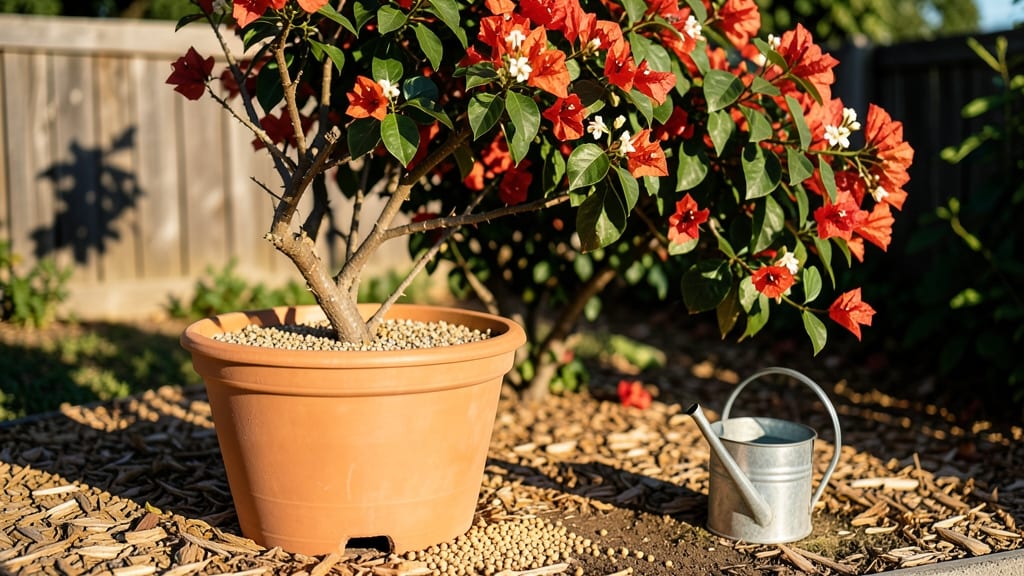
How to care for bougainvillea in pots outdoors unlocks vibrant color that lasts all season—with far less fuss than you’d expect. 🌿 The key is matching its tropical roots to container life: bright sun, fast-draining soil, and a watering routine that mimics its natural drought tolerance. My first bougainvillea nearly died from overwatering before I learned these simple rules that keep it thriving in pots year after year.
Start with a pot at least 12 inches wide and 12 inches deep—bougainvillea’s roots spread aggressively, and cramped containers lead to stress.
Use a cactus or succulent mix with 30-40% perlite or pumice to prevent soggy roots, and always add a 2-inch drainage layer of gravel or broken pottery at the bottom. The soil should dry out completely between waterings; stick your finger in—if it’s damp below 1 inch, wait another day.
Feed it once a month during growing season with a balanced fertilizer (10-10-10), but cut back in winter. Pruning isn’t just for shaping—it’s about encouraging those bold, colorful bracts. Snip back leggy growth in early spring, and you’ll trigger bushier, more vibrant blooms by summer.
Even in winter, a light trim keeps the shape tidy without sacrificing next year’s flowers.
Overwintering is the trickiest part, but with a bright indoor spot (or a greenhouse) and reduced watering, your bougainvillea will bounce back. Watch for aphids or spider mites—they love stressed plants—and blast them off with water or neem oil.
The payoff? A plant that rewards minimal effort with year-round color that turns heads at every patio gathering.
📚 In This Guide
- What you need
- Instructions
- Tips and common mistakes
- Wrapping up and next steps
What you need
- ● 1–2 large containers (12–18 inches in diameter) with drainage holes (terracotta or fiberglass pots work best).
- ● High-quality cactus/succulent potting mix (or a blend of 60% inorganic grit/sand + 40% organic matter like coconut coir or peat). Quantity: Enough to fill your pot(s) to ~1–2 inches from the rim.
- ● 1 bougainvillea plant (choose a healthy, well-rooted variety like ‘San Diego Red’ or ‘Orange King’ from a nursery).
- ● Slow-release fertilizer (e.g., Osmocote 14-14-14 or a cactus-specific formula). Quantity: 1–2 tbsp per pot.
- ○ Mulch (optional but helpful): Gravel or cactus mulch to retain moisture and regulate soil temp.
- ● Garden trowel or small shovel for planting.
- ● Pruning shears (sterilized with rubbing alcohol).
- ● Watering can with a narrow spout (or a hose with a gentle spray nozzle).
- ○ pH testing kit (optional but useful—bougainvillea thrives in acidic to neutral soil (6.0–7.0)).
- ○ Support structure (optional): A trellis, bamboo stake, or wire cage if your variety needs climbing support.
- ● Full sun location: At least 6–8 hours of direct sunlight daily (bougainvillea is a sun-worshipper!).
- ● Wind protection: Place pots in a spot shielded from strong winds (use a porch, patio, or against a wall).
- ● Temperature range: Thrives in USDA Zones 9–11; in colder climates, move pots indoors or to a greenhouse during winter.
Step-by-step instructions for growing thriving potted bougainvillea
Here's the straightforward approach I've used for years to keep bougainvillea blooming boldly in containers—no fuss, just vibrant results.
🪴 Step 1: Select the Right Pot and Drainage System
Bougainvillea roots need both space and excellent drainage. Choose a container with at least 12-inch depth and multiple drainage holes—terracotta pots work best because they breathe and help prevent root rot. If your pot lacks drainage, drill holes yourself or add a 2-inch layer of gravel at the bottom before filling with soil.
I always use unglazed clay pots for my outdoor bougainvillea because they wick away excess moisture, which this drought-tolerant plant actually prefers. If you must use plastic, add extra perlite to the soil mix to compensate for its moisture-retentive nature. The pot should be slightly larger than the root ball—too big creates soggy soil, too small restricts growth.
☀️ Step 2: Position for Maximum Sun Exposure
Bougainvillea thrives in full sun (6+ hours daily)—the more sunlight, the more vibrant the bracts (those colorful "flowers" you see). Place your pot in a south-facing location where it gets unfiltered morning sun and bright afternoon light. If you're in a hot climate, provide light afternoon shade to prevent leaf scorch.
Watch for pale green leaves or sparse blooms—these are signs your plant isn't getting enough light. If you notice leggy growth with stems stretching toward the sun, move the pot closer to the light source or supplement with a grow light during winter months when days shorten.
💧 Step 3: Water Deeply but Infrequently
Bougainvillea is drought-tolerant once established, so the key is deep, infrequent watering. Stick your finger 2 inches into the soil—if it feels dry, water thoroughly until water runs out the drainage holes. Let the pot sit for 10-15 minutes, then empty any collected water to prevent root rot.
During active growth (spring-summer), water every 3-4 days, but reduce to once a week in winter. Overwatering is the #1 killer of potted bougainvillea—yellowing leaves or mushy stems mean you're watering too often. If this happens, let the soil dry completely before watering again.
✂️ Step 4: Prune Strategically for Shape and Blooms
Pruning bougainvillea isn't about shaping—it's about encouraging new growth where flowers form. Cut back leggy stems in early spring by one-third to promote bushier growth. Always prune just above a leaf node (the bump where leaves attach) to stimulate branching.
Here's the trick: Never prune into old wood—new blooms only form on current season's growth. If you see bare stems with no leaves, those won't produce flowers. After pruning, feed with a balanced fertilizer (10-10-10) to support regrowth. Deadhead spent blooms regularly to encourage continuous flowering.
🌿 Step 5: Feed and Protect Through Seasons
Fertilize every 4-6 weeks during growing season (spring-fall) with a low-nitrogen, high-phosphorus fertilizer (like 5-10-10) to promote blooming. In winter, reduce feeding to once every 8 weeks as growth slows. I always water before fertilizing to prevent root burn.
Protect your potted bougainvillea from frost—these tropical plants die back at 32°F or below. Move pots to a sheltered garage or covered patio overnight, or wrap the container in bubble wrap for insulation. If you live in a cold climate, bring the plant indoors near a sunny window during winter months.
Tips & tricks for perfect potted bougainvillea care
Between us, these little tricks make all the difference between a struggling potted plant and one that bursts with color all season long.
Drainage Hack: If you're stuck with a pot without drainage holes, create a DIY solution by lining the bottom with a layer of landscape fabric before adding your 2-inch gravel layer. This prevents soil from clogging the holes while still allowing water to drain freely. I've saved several pots this way when repurposing containers without built-in drainage.
Sunlight Secret: The 6+ hours of daily sun requirement isn't just about quantity—it's about quality. Position your pot where it gets direct morning sunlight (which is less intense than afternoon sun) to prevent leaf scorch. You'll notice the bracts develop their most vibrant colors when they receive this balanced light exposure. In cloudy weather, supplement with a grow light for 4-6 hours to maintain energy production.
Watering Wisdom: That 10-15 minute drainage period after watering is non-negotiable. It prevents water from pooling at the bottom where roots can't access oxygen. I've seen bougainvillea roots actually rot within days when this step is skipped—don't make my mistake! The soil should feel completely dry 2 inches down before your next watering, which is why the every 3-4 days guideline works for most climates.
Pruning Pro Tip: When you're cutting back those leggy stems by one-third in Step 4, look for the smallest stems—these are the ones that will produce the most flowers. The new growth that emerges from these cuts will bear your next round of vibrant bracts. I always prune just after a flowering cycle ends to give the plant energy to focus on new blooms rather than maintaining old ones.
Pro Tips for Care For Bougainvillea In Pots Outdoors
- Between us, these little tricks make all the difference between a struggling potted plant and one that bursts with color all season long.
- Drainage Hack: If you're stuck with a pot without drainage holes, create a DIY solution by lining the bottom with a layer of landscape fabric before adding your 2-inch gravel layer.
- Sunlight Secret: The 6+ hours of daily sun requirement isn't just about quantity—it's about quality.
Frequently asked questions
Got questions about keeping your potted bougainvillea thriving outdoors? You’re not alone—here are answers to the most common ones!
How often should I water my potted bougainvillea?
Water your bougainvillea when the top 1–2 inches of soil feel dry. Typically, this means every 2–3 days in hot weather and once a week in cooler months. Overwatering is the biggest mistake—ensure pots have drainage holes to prevent root rot.
Can bougainvillea survive winter in pots outdoors?
Yes, but with care! Move pots to a sheltered spot (like a garage or under eaves) when temps drop below 40°F (4°C). Mulch the soil and wrap the pot in burlap for extra protection. Prune lightly in early spring to encourage new growth.
Why aren’t my bougainvillea leaves green? Yellow or red leaves?
Yellow leaves usually mean overwatering or poor drainage, while red/purple hues are normal stress responses to sun or cold. If leaves drop entirely, check for underwatering or root issues. Adjust care and monitor for pests like spider mites.
How do I revive a leggy or overgrown bougainvillea?
Prune back 1/3 of the plant in early spring to encourage bushier growth. Focus on cutting just above leaf nodes (growth points). For severe cases, a hard prune after flowering can reset the plant—just be patient while it recovers!
Are there non-pruning bougainvillea varieties for pots?
While bougainvillea always needs some pruning, varieties like ‘San Diego Red’ or ‘California Gold’ grow more compactly with minimal effort. Choose dwarf types (under 3 ft) for smaller pots, but still trim lightly to maintain shape.
Wrapping up and next steps
Caring for bougainvillea in pots outdoors is all about balancing sun, water, and smart pruning—and the rewards are stunning, vibrant blooms that last nearly year-round! With the right container, well-draining soil, and a little seasonal attention, you’ll enjoy low-maintenance beauty that turns heads. 🌸
Ready to transform your outdoor space? Start by choosing your favorite bougainvillea variety and give it a try—whether you’re a beginner or a seasoned gardener, these tips will help you succeed. Happy planting! 🌱