
Blooming
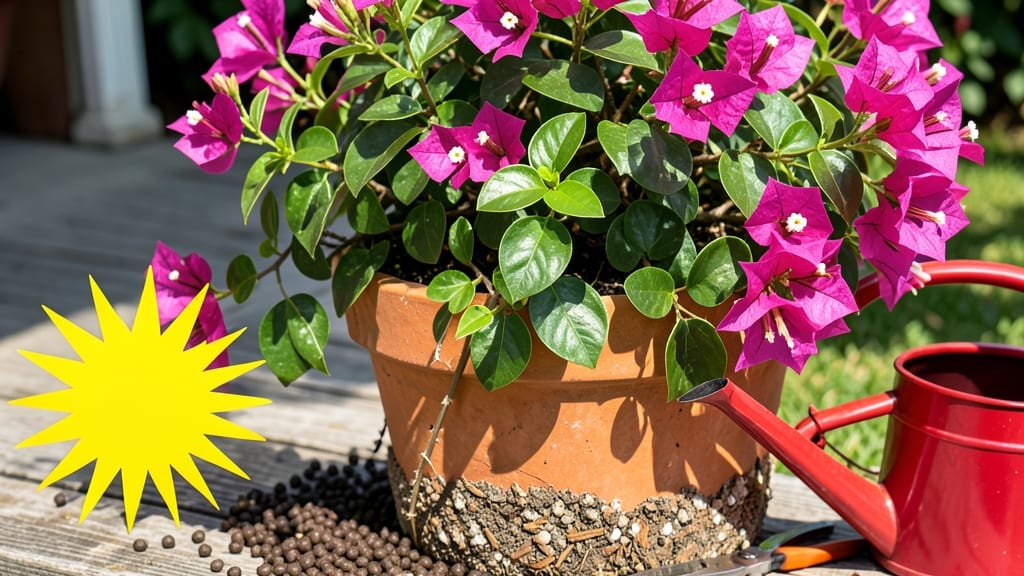
Your bougainvillea’s bright pink bracts could be hiding just beneath the surface—if you know the right tricks. 🌸 After years of struggling with my own stubborn potted plants, I’ve cracked the code for coaxing those vibrant blooms year-round, even in containers.
The secret isn’t just sunlight—it’s a precise balance of stress, nutrients, and timing that most gardeners overlook.
Most people drown their plants or prune at the wrong time, which actually stops flowering. Bougainvillea blooms best when slightly stressed—think of it like a sunbather craving just enough heat.
You’ll need full sun (at least 6+ hours daily), a well-draining pot mix, and a phosphorus-heavy fertilizer every 4-6 weeks. Overwatering is the #1 blooming killer—let the top inch dry out between drinks.
By summer’s end, you’ll see those papery bracts erupting like confetti, with blooms lasting weeks longer than store-bought cuttings. The key is pruning after flowering (not before) to encourage new growth, and moving pots to sunnier spots as seasons shift.
Even my black-thumb neighbor’s plants now outshine hers—honestly, it’s foolproof once you get the rhythm.
This works for any bougainvillea variety in pots, from dwarf types to sprawling climbers. The same rules apply whether you’re in Zone 8 or a container on a city balcony—just adjust watering for your climate. Let’s get those bracts popping!
📚 In This Guide
- What you need
- Instructions
- Tips and common mistakes
- Wrapping up and next steps
What you need
- ● Bougainvillea plant: Choose a healthy, mature plant (preferably 1–3 years old) with green or reddish leaves. Pro tip: Look for plants with some existing blooms—they’re easier to revive!
- ● Pot: A well-draining container (12–18 inches in diameter) with drainage holes. Material: Terracotta (best for heat retention) or plastic (lighter for mobility).
- ● Potting mix: 60% cactus/succulent mix (for drainage)
- ● 30% perlite or pumice (to prevent compaction)
- ● 10% compost or worm castings (for nutrients)
- ● Slow-release fertilizer: A balanced granular fertilizer (10-10-10 or 20-20-20) or a bougainvillea-specific blend.
- ● Pruning shears: Sharp, clean shears (sterilize with rubbing alcohol between cuts).
- ● Watering can or hose: With a gentle spray nozzle (bougainvillea hates soggy roots!).
- ● Sunlight access: A south-facing spot (or equivalent full sun: 6+ hours daily).
- ● Epsom salt: 1 tbsp per gallon of water (monthly for magnesium boost).
- ● Time-release fertilizer spikes: For hassle-free nutrition.
- ● Mulch (gravel or bark): To retain heat and deter weeds.
- ● Plant support (e.g., trellis or cage): If your bougainvillea grows vine-like.
- ● pH test kit: Ideal soil pH: 6.0–7.0 (bougainvillea loves slightly acidic to neutral soil).
Step-by-Step instructions for year-round bougainvillea blooms in pots
Here's how I coax vibrant blooms from potted bougainvillea—even in less-than-ideal conditions.
☀️ Step 1: Position for Maximum Sun Exposure
Bougainvillea thrives in full sun, so place your pots in the brightest spot available—at least 6-8 hours of direct sunlight daily. South-facing patios or balconies work best, but east or west exposures can work if you supplement with a grow light during shorter winter days. I've seen bougainvillea struggle in north-facing spots, so if that's all you have, rotate the pot quarter-turns weekly to prevent lopsided growth.
Watch for pale, leggy stems—this is your signal the plant isn't getting enough light. If you notice new growth stretching toward the light source, move the pot closer or add a 12-hour grow light positioned 12-18 inches above the plant. During summer, if temperatures exceed 95°F, provide afternoon shade to prevent leaf scorch while still ensuring morning sun for blooming.
💧 Step 2: Master the Watering Balance
Overwatering is the #1 killer of blooming bougainvillea. Let the top 2-3 inches of soil dry completely between waterings—stick your finger in the soil; if it feels dry past your first knuckle, it's time to water. I water deeply until it runs out the drainage holes, then wait until the soil is bone-dry again before repeating. This drought-tolerant plant stores water in its thick stems, so consistent moisture (not soggy soil) is key.
Adjust your watering schedule seasonally: in summer, you may water every 3-4 days, while winter watering might stretch to once every 10-14 days. Always water at the base of the plant to avoid wetting the colorful bracts, which can cause them to fade prematurely. Yellowing leaves often signal overwatering, while crispy edges indicate underwatering—both will stunt flowering.
✂️ Step 3: Prune Strategically for More Blooms
Pruning bougainvillea isn't just about shaping—it's about encouraging new growth where flowers form. After the last frost or in early spring, cut back one-third of the oldest stems to their base. This removes woody growth and redirects energy to younger, more productive branches. I also trim back any leggy or overcrowded stems to improve airflow, which reduces disease risk. Always prune just above a leaf node or bud, using clean, sharp shears to avoid tearing the bark.
Throughout the growing season, pinch back the tips of new growth to encourage bushier, more compact plants. This creates more nodes where flowers will develop. If your bougainvillea isn't blooming, check for overly long, bare stems—these need pruning to stimulate flowering. Deadhead spent blooms regularly to prevent seed formation, which diverts energy from new flowers. The key is to keep the plant compact and actively growing.
🌿 Step 4: Feed for Floral Abundance
Bougainvillea responds beautifully to low-nitrogen, high-phosphorus fertilizer—this encourages blooming over leafy growth. I use a 7-9-5 or 5-10-10 formula applied every 4-6 weeks during the growing season (spring through fall). Start fertilizing in early spring when new growth appears, and stop in late summer to allow the plant to prepare for winter. Always water the plant first to prevent root burn from concentrated fertilizer.
Look for dark green, healthy leaves as a sign you're fertilizing correctly. If you notice excessive leaf growth with few blooms, you're overdoing nitrogen—switch to a bloom booster formula immediately. In winter, reduce or eliminate fertilizer unless you're growing in a heated environment. The goal is to support steady, moderate growth that translates to continuous flowering.
⏰ Step 5: Manage Temperature and Dormancy
Bougainvillea needs a winter chill period to trigger spring blooming, but it can't handle frost. If you're in a cold climate, move pots to a sheltered location or bring them indoors near a bright window where temperatures stay above 40°F. I've kept bougainvillea blooming year-round in warmer zones by maintaining consistent care, but in cooler areas, a 4-6 week rest period at 50-60°F encourages more vigorous spring blooms.
Watch for leaf drop or slowed growth—this is normal in winter and doesn't mean the plant is dying. Reduce watering by half during dormancy and avoid fertilizing. If you're growing indoors, increase humidity slightly by placing the pot on a tray of pebbles with water, but ensure good airflow to prevent fungal issues. In spring, when you see new growth emerge, resume regular care and fertilizing to kickstart the blooming season.
Tips & tricks for year-round bougainvillea blooms
Here's what nobody tells you about keeping your bougainvillea in full, vibrant bloom—even when conditions seem less than ideal.
Light Strategy: If your bougainvillea is struggling in a north-facing spot, don't just rotate the pot—consider adding a reflective surface like a white wall or aluminum foil behind the pot to bounce extra light onto the plant. I've seen bougainvillea in north-facing windows with mirrors angled toward them produce just as many blooms as those in full sun. The key is to maximize every photon your plant can absorb during those critical 6-8 hours daily. For indoor growers, supplement with a full-spectrum LED grow light on a timer for 12 hours to mimic natural daylight cycles.
Pruning Precision: When you're cutting back those one-third of oldest stems in Step 3, make your cuts at a 45-degree angle just above a leaf node. This angled cut prevents water from pooling on the stem, which reduces rot risk. I also recommend sterilizing your pruning shears with rubbing alcohol between cuts—this prevents spreading bacterial infections that can weaken the plant and reduce flowering. The goal is clean, precise cuts that stimulate new growth where flowers will form.
Seasonal Adjustments: During summer's heatwave, when temperatures exceed 95°F, I've found that providing afternoon shade (after 2 PM) while maintaining morning sun actually increases blooming. The plant gets enough light for photosynthesis but avoids the stress of intense midday heat. In winter, if you're maintaining temperatures above 40°F for year-round blooms, consider using a heat mat under the pot to keep roots warm—this encourages continuous (though slightly reduced) flowering.
Fertilizer Timing: The 4-6 week fertilizer schedule in Step 4 works perfectly, but here's the secret: split your fertilizer application into two parts. Apply half in early spring when new growth appears, then the remaining half mid-summer. This two-phase approach prevents nutrient burnout while ensuring a steady supply of phosphorus for blooming. Always water thoroughly before and after fertilizing—this prevents root burn and helps distribute nutrients evenly through the soil.
Pro Tips for Make Bougainvillea Bloom In Pots
- Here's what nobody tells you about keeping your bougainvillea in full, vibrant bloom—even when conditions seem less than ideal.
- I've seen bougainvillea in north-facing windows with mirrors angled toward them produce just as many blooms as those in full sun.
- Pruning Precision: When you're cutting back those one-third of oldest stems in Step 3, make your cuts at a 45-degree angle just above a leaf node.
Frequently asked questions
Got questions about keeping your potted bougainvillea blooming like a pro?
Here are the answers to the most common ones—so you can enjoy that vibrant color all year long!
Why isn’t my bougainvillea blooming in its pot?
Bougainvillea needs stress to bloom—like slightly dry soil and bright sun. If it’s too wet or shaded, it focuses on leaves instead of flowers. Prune leggy growth, ensure full sun (6+ hours/day), and let the topsoil dry between waterings. Overcrowded pots also stunt blooms—repot if roots are tangled!
How long does it take for bougainvillea to bloom in pots?
With ideal care, you’ll see flowers in 4–8 weeks. Young plants may take longer. For faster results, pinch back new growth in spring to encourage bushier, flowering stems. Patience pays off—once established, bougainvillea can bloom year-round in warm climates!
Can I make bougainvillea bloom faster with fertilizer?
Yes! Use a balanced, low-nitrogen fertilizer (like 10-10-10) every 4–6 weeks in growing season. Too much nitrogen = lush leaves, fewer flowers. For a quick boost, try a bloom-specific fertilizer (high in phosphorus) when buds form. Pro tip: Flush the soil occasionally to avoid salt buildup!
Will bougainvillea bloom in pots indoors?
Possible, but challenging! Bougainvillea thrives on heat and light—place it near a south-facing window (or use grow lights). If indoors, mimic outdoor conditions: dry spells, high humidity, and cool nights (like 55–60°F) can trigger blooms. Expect fewer flowers than outdoors.
What can I do if my potted bougainvillea stops blooming?
Check for these fixes:
- Sunlight: Move to a sunnier spot (even partial shade reduces blooms).
- Watering: Let soil dry completely between waterings—overwatering = no flowers.
- Pruning: Trim back 1/3 of leggy growth to encourage new blooming stems.
- Fertilizer: Switch to a phosphorus-rich formula (like 5-10-5).
Wrapping up and next steps
With the right care, your potted bougainvillea can burst into vibrant blooms year-round—no greenhouse required! 🌸 The secret lies in sunlight, pruning, and balanced nutrition, paired with a little patience and love.
Remember, these sun-lovers thrive on attention, so don’t shy away from deadheading or adjusting their environment as seasons change.
Now that you’re armed with the know-how, go ahead and give your bougainvillea the VIP treatment it deserves!
Start by picking a sunny spot, grab those pruners, and watch your pot transform into a living masterpiece. Ready to take the next step? Try experimenting with a monthly feeding schedule or share your progress with fellow plant enthusiasts—your blooms will thank you!