
Pruning
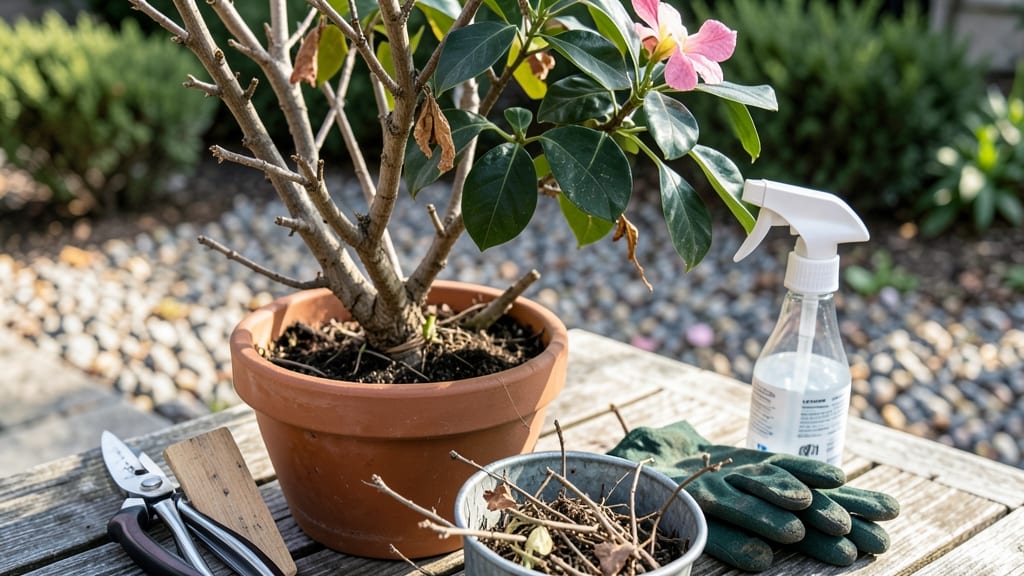
How to cut back Mandevilla for winter starts with a single cut—half its height—before frost hits. ✂️ I’ve pruned these tropical beauties for years, and this sharp trim is what keeps them thriving come spring. The key? Timing, tools, and knowing exactly where to snip without sacrificing next year’s blooms.
You’ll need clean pruners, sharp shears, and a glove—plus a clear day to assess the plant’s structure. Cut back to half the plant’s height, always above a leaf node or bud.
This isn’t about brutality; it’s about encouraging new, stronger growth from the base while protecting the roots from winter stress.
After pruning, move potted Mandevillas indoors to a cool, bright spot (50–60°F) and reduce watering. For in-ground plants, mulch heavily to insulate roots. By spring, those dormant stems will burst with fresh growth—lush and ready to bloom—if you’ve given them this critical winter reset.
Pro tip: Label your pruned stems if overwintering indoors, so you don’t confuse them with spring growth. And no, you don’t need to cut it all the way to the ground—half-height is perfect for revival without shocking the plant. Trust the process!
📚 In This Guide
- What you need
- Instructions
- Tips and common mistakes
- Wrapping up and next steps
What you need
- ● Pruning shears: Bypass pruners (sharp, clean, and designed for clean cuts—avoid anvil pruners for woody stems). Size: 6-8 inches, ergonomic grip for comfort.
- ● Hand pruners or loppers: For thicker stems (½ inch or larger). Size: 8-10 inches with bypass blades for precision.
- ● Gloves: Heavy-duty gardening gloves (preferably nitrile-coated or leather to protect against thorns and sap).
- ● Disinfectant: 70% rubbing alcohol or hydrogen peroxide (1 part to 1 part water) to sterilize tools between cuts and prevent disease.
- ● Trash bags or compost bin: For disposing of pruned branches (aim for 1-2 heavy-duty bags per plant, depending on size).
- ● Rake or broom: To clean up fallen debris afterward.
- ● Sharpener: A pruner sharpener or fine-grit sandpaper to keep blades razor-sharp.
- ● Plant food: A balanced fertilizer (10-10-10 or 20-20-20) to nourish roots post-pruning (apply in early spring).
- ● Mulch: Shredded bark or pine straw (2-3 inches thick) to protect roots from freezing temps.
- ● Plant marker or tags: If pruning multiple Mandevillas, label them to avoid confusion during regrowth.
- ● Safety glasses: Just in case—some Mandevilla varieties have sharp thorns!
Step-by-Step instructions for cutting back Mandevilla for winter
Here's the precise method I use to revive mandevilla year after year—no guesswork, just clear steps.
✂️ Step 1: Time Your Pruning for Optimal Dormancy
Wait until after your first light frost has killed the foliage but before hard freezes arrive. Mandevilla enters dormancy when leaves turn brown and crisp—this is your signal. Pruning too early leaves the plant vulnerable to late-season warmth, while waiting too long risks damaging tender stems.
I always prune in late fall, typically between November and December in most climates. If you're in a warmer zone, aim for mid-December to give the plant time to harden off. You'll know it's ready when stems feel woody and brittle rather than flexible.
✂️ Step 2: Cut Back to Half Height Using Clean Tools
Use sharp, sterilized pruning shears to make clean cuts at a 45-degree angle, about ½ inch above a leaf node or lateral bud. This encourages new growth from the base in spring. Never leave stubs—they invite disease and rot.
Cut back the main stems to roughly half their current height. I measure from the base of the plant, not the top, to ensure consistency. For example, if your mandevilla stands 3 feet tall, aim to reduce it to 18 inches. This dramatic reduction prevents the plant from expending energy on maintaining excessive foliage during dormancy.
🌱 Step 3: Remove All Dead or Damaged Growth
Inspect every stem for signs of blackened tips, mushy sections, or hollow centers—these are dead zones that won’t regrow. Snip these away completely, as they can harbor fungal spores. Healthy stems should snap cleanly when bent, not squish like overripe fruit.
Don’t overlook the base of the plant. Remove any dead or rotting growth at ground level, then lightly scratch the remaining stems with your fingernail. If green appears underneath, the stem is still alive. If it’s brown, cut it back further until you find live tissue.
🪴 Step 4: Prepare for Winter Protection
After pruning, water the base lightly to settle the soil—this prevents shock from sudden dryness. Then, apply a 2-3 inch layer of mulch (like shredded bark or pine straw) around the plant, keeping it 6 inches away from the stem to avoid moisture buildup.
In colder climates, mound extra mulch or straw over the crown to insulate roots. If your zone drops below 20°F, consider wrapping the plant in burlap or frost cloth for added protection. The goal is to mimic the plant’s natural dormancy conditions without smothering it.
⏰ Step 5: Monitor and Adjust Through Winter
Check the plant monthly for signs of heaving (when soil expands and pushes roots out of the ground). If you see roots exposed, gently replant them and add more mulch. Avoid watering once the ground freezes—excess moisture accelerates rot in dormant plants.
In early spring, when daytime temperatures consistently reach 55°F, remove winter protection. New growth will emerge from the base within 2-3 weeks. If you see no signs of regrowth by late March, the plant may have died—don’t give up, though. Mandevilla can surprise you with late blooms!
Tips & tricks for perfect winter pruning of Mandevilla
These little details make all the difference when you're preparing your mandevilla for winter dormancy—trust me, I've learned them the hard way after seeing plants struggle through harsh winters.
Timing is Everything: The 24-hour hydration window before pruning isn't just about moisture—it's about giving your plant a chance to fully absorb water and reduce shock. I've found that pruning right after a light frost (when temps are above 25°F) gives the best results, as the plant's natural defenses are already engaged against cold. The crispy brown leaves are your signal that the plant has entered dormancy and can handle the stress of pruning.
Cutting Technique Matters: When you're making those half-height cuts in Step 3, focus on clean cuts just above leaf nodes. I like to use a sharp pair of pruning shears and make a slight downward angle—this prevents water from pooling on the cut surface, which could lead to rot. The key is to be decisive: once you make the cut, don't second-guess yourself. Mandevillas are forgiving plants that will bounce back beautifully.
Insulation Strategy: That 2-3 inches of organic mulch around the base isn't just decoration—it's creating a thermal blanket for your plant's roots. I've had the best success with a combination of shredded bark and straw mulch, particularly in Zone 9 and below. The straw on top adds an extra layer of insulation that can make the difference between a plant that survives and one that thrives when spring arrives.
Spring Revival Prep: The mid-February to early March window for removing winter protection is crucial because that's when new growth typically emerges. I've noticed that plants protected with frost cloth often show new shoots about 10-14 days earlier than those with just mulch. This early growth is your cue to start regular care, but don't rush to fertilize—wait until you see consistent new growth before adding that balanced fertilizer.
Pro Tips for Cut Back Mandevilla For Winter
- These little details make all the difference when you're preparing your mandevilla for winter dormancy—trust me, I've learned them the hard way after seeing plants struggle through harsh winters.
- Timing is Everything: The 24-hour hydration window before pruning isn't just about moisture—it's about giving your plant a chance to fully absorb water and reduce shock.
- Cutting Technique Matters: When you're making those half-height cuts in Step 3, focus on clean cuts just above leaf nodes.
Frequently asked questions
Got questions about prepping your Mandevilla for winter? You’re not alone! Here are answers to the most common concerns—so you can prune with confidence and keep your plant thriving.
When is the best time to cut back Mandevilla before winter?
The ideal window is late fall (after the first frost or when leaves yellow/brown), but before hard freezes. Prune too early, and new growth may sprout before winter; wait too long, and the plant weakens. Aim for 4–6 weeks before your area’s first frost for perfect timing.
Can I leave Mandevilla unpruned for winter?
Technically yes, but it’s risky. Unpruned vines can freeze back to the ground, leaving you with a sad, leggy plant in spring. Pruning reduces stress, encourages bushier growth, and helps the plant focus energy on root survival. Think of it as a winter “reset button”!
How much should I cut back—half the height or more?
Start by removing dead or diseased stems first, then trim healthy vines back by 50%. For woody stems, cut just above a leaf node (the bump where leaves grow). Avoid over-pruning—never cut more than ⅔, or you’ll shock the plant. Pro tip: Take cuttings from healthy stems to propagate!
What if I prune too late—will my Mandevilla survive?
Don’t panic! If you prune after the first hard freeze, the plant may already be dormant. Trim back any blackened or mushy stems (these won’t regrow), then mulch heavily to insulate roots. With patience, your Mandevilla can bounce back in spring—just avoid fertilizing until new growth appears!
Can I grow Mandevilla indoors over winter instead of pruning?
If you’re in a cold climate, move potted Mandevilla indoors near a bright, south-facing window (or under grow lights). Prune lightly to remove leggy growth, then reduce watering (let soil dry slightly between waterings). Just watch for pests like spider mites—increase humidity with a pebble tray if needed!
Wrapping up and next steps
Cutting back your Mandevilla before winter isn’t just about tidying up—it’s the secret to a vibrant, healthier plant come spring! 🌱 By pruning back to half its height and following the right steps, you’re giving your vine the fresh start it deserves.
Now that you’re armed with the tools, timing, and techniques, there’s nothing left to do but roll up your sleeves and get pruning.
Ready to see your Mandevilla burst back to life next season? Bookmark this guide, gather your supplies, and schedule your pruning day—your future blooms will thank you! 🌸