
Planting
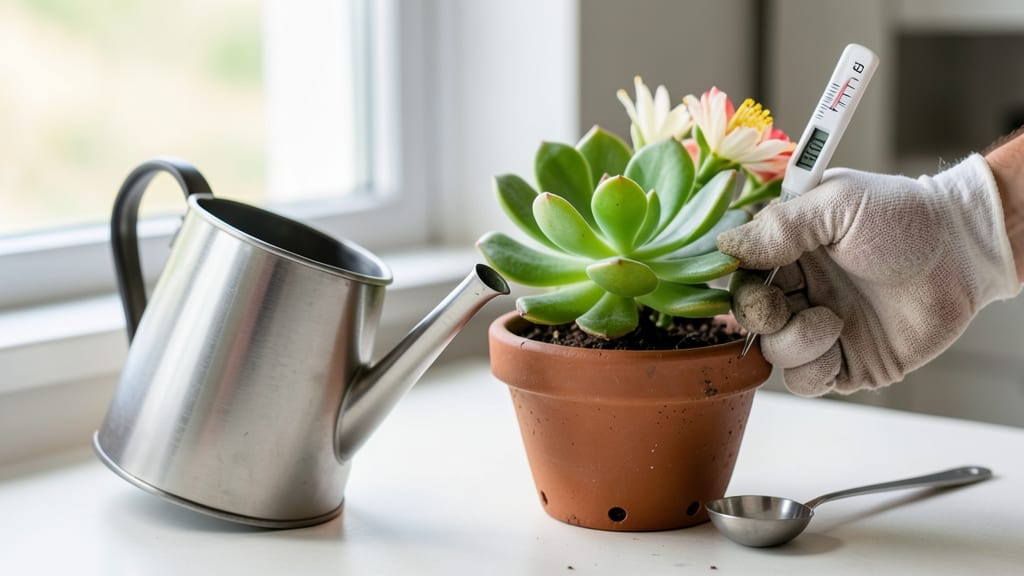
Kalanchoe watering schedule: how often to water without killing your plant
Kalanchoe plants thrive on neglect—literally! Their succulent nature means they store water in fleshy leaves, making them drought-tolerant and perfect for busy plant parents. The key to success? Watering every 2-3 weeks instead of sticking to a rigid schedule.
Unlike thirsty houseplants, kalanchoes prefer dry soil between waterings, and overwatering is their #1 killer.
But how do you know when it’s time to water? Stick your finger 1-2 inches deep into the soil. If it feels completely dry, your kalanchoe is ready for a sip.
If it’s still slightly damp, wait another week. This soil moisture test is your best friend—trust it over guesswork!
Seasonal adjustments are critical. In spring and fall, when growth is active, water every 2-3 weeks. During summer heat, stretch it to 3-4 weeks—your plant’s thick leaves act like a water tank. Winter? Cut back to every 4-6 weeks as growth slows.
Pot size matters too. A small 4-inch pot dries out faster than a large 8-inch container. If you repot, choose a size only 1-2 inches larger than the root ball to avoid waterlogging. Pro tip: Terracotta pots dry out quicker than plastic, so adjust your schedule accordingly.
| Season | Watering Frequency | Soil Test | Notes |
|---|---|---|---|
| Spring | Every 2-3 weeks | Dry 1-2 inches deep | Active growth phase |
| Summer | Every 3-4 weeks | Dry 2+ inches deep | Reduce watering in heat |
| Fall | Every 3-4 weeks | Dry 1-2 inches deep | Prep for dormancy |
| Winter | Every 4-6 weeks | Dry 2+ inches deep | Minimal watering needed |
Morning watering is non-negotiable. Wet leaves left overnight invite fungal diseases like powdery mildew. Use room-temperature water—cold water shocks roots—and avoid getting leaves soggy. A self-watering pot with a moisture meter can help, but even those need occasional checks to prevent over-saturation.
Watch your kalanchoe’s leaves for clues. Wrinkled, puckered leaves scream “I’m thirsty!” while soft, mushy leaves mean too much water. The goal? A slightly wrinkled look—this confirms your plant is hydrated but not drowning. Think of it like a cactus: better under-watered than over-watered.
If you’re still unsure, try the “lift-and-check” method. Pick up the pot—if it feels light as a feather, it’s time to water. A heavy pot means moisture remains, and your kalanchoe is happy and hydrated. This trick works for all succulents, not just kalanchoes!
Remember: Kalanchoes are survivors. Even if you slip up and overwater once, your plant can bounce back with proper drainage and a little TLC. The key is consistency in dryness, not perfection. Now grab that watering can—and hold off just a little longer!
Signs of overwatering vs. underwatering: how to rescue a stressed Kalanchoe
Your Kalanchoe’s leaves tell a story—wilting, yellowing, or puckering are cry-for-help signs that reveal whether you’re drowning its roots or leaving it thirsty. The key is spotting these visual cues early before root rot or irreversible damage sets in.
Let’s decode the differences so you can act fast and save your plant.
Overwatering is the #1 killer of indoor Kalanchoes. Look for soft, mushy leaves that feel squishy when pressed—a clear sign of waterlogged roots. You might also notice yellowing leaves starting at the bottom, followed by a foul odor from the soil.
These are red flags that your plant’s roots are suffocating.
Underwatering, while less deadly, still stresses your Kalanchoe. Dry, crispy leaf edges or leaves that curl inward like a turtle’s shell mean it’s begging for hydration. The soil may pull away from the pot’s edges, and the leaves might feel paper-thin and brittle.
Don’t wait until the plant wilts completely—act as soon as you see these early warnings.
🌱 Overwatering vs. Underwatering: Quick Fixes
- 🌿 Soft, mushy leaves
- 🌿 Yellowing bottom leaves
- 🌿 Foul soil smell
- ✂️ Remove affected leaves
- 💧 Let soil dry completely
- 🪴 Repot in fresh, dry soil
- 🌿 Dry, crispy edges
- 🌿 Curled leaves
- 🌿 Soil pulls away from pot
- 💧 Water deeply until it drains
- ☀️ Move to brighter light
- 🌱 Mist leaves lightly
If your Kalanchoe is suffering from overwatering, act immediately. First, remove any mushy leaves with clean scissors to prevent the rot from spreading. Next, let the soil dry out completely—this might take 1-2 weeks, so be patient.
Once the soil is bone-dry, repot the plant in a fresh mix of cactus or succulent soil with perlite for better drainage.
For underwatered Kalanchoes, the fix is simpler but requires consistency. Water deeply until you see moisture draining from the bottom of the pot, then empty the saucer to prevent soggy roots.
After watering, place the pot in a tray of pebbles to increase humidity slightly—this mimics the plant’s natural desert environment. Finally, adjust its light exposure; if it’s not getting enough sun, move it closer to an east or west-facing window.
Remember, Kalanchoes are drought-tolerant—they’d rather be underwatered than overwatered. If you’re unsure whether to water, stick your finger 1-2 inches into the soil. If it feels dry, it’s time to water.
If it’s still moist, wait another 3-5 days. Trust the soil, not the calendar, and your Kalanchoe will thrive for years.