
Size
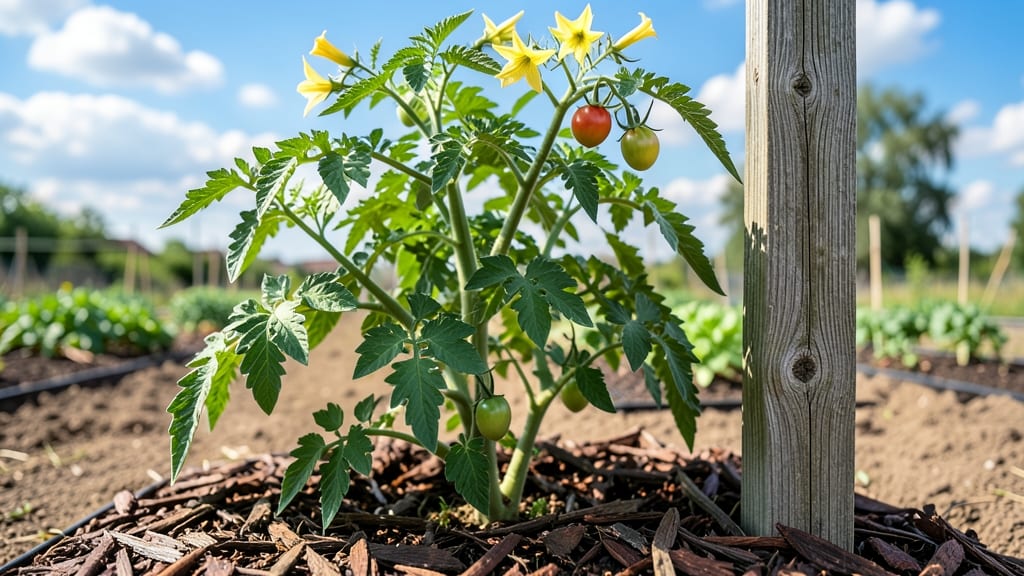
Your first how to make tomatoes grow harvest could be 50% heavier this year—no fancy tricks, just science. 🌱 I’ve grown tomatoes for over a decade, and the difference between a decent plant and a monster producer comes down to a few key moves.
Most gardeners miss the basics that actually matter. The secret isn’t more water or fertilizer—it’s soil prep, sunlight management, and strategic pruning. I’ll show you exactly how to set up your plants for maximum growth from day one, including the one pruning mistake that kills yields.
No guesswork, just results. By the end, you’ll know how to coax thicker stems, more branches, and fruit the size of your palm. The best part? These tricks work for both backyard beds and container gardens. Let’s get those vines growing like crazy.
First, you’ll need rich, well-draining soil (mix in compost before planting) and a sunny spot with at least 6-8 hours of light daily. Most people overwater—tomatoes hate soggy roots. Instead, water deeply once or twice a week, letting the top inch of soil dry out between sessions.
Pruning is where the magic happens. Pinch off suckers (those little shoots between the stem and branches) to force energy into fruit production, not extra leaves. And here’s the pro move: stake or cage your plants early—this prevents sprawl and makes harvesting easier.
Skip this, and you’ll end up with broken stems and missed harvests.
For bigger fruit, feed them mid-season with a balanced fertilizer (like 10-10-10) or compost tea. The goal is steady, not excessive, nutrition—think of it as a slow-burning engine for growth.
And if you notice yellow leaves or stunted growth, it’s usually a sign of overwatering or nutrient deficiency, not a lost cause. This method works for cherry, beefsteak, and heirloom varieties alike.
Whether you’re a first-timer or a seasoned grower, these tweaks will transform your tomatoes from decent to showstopping. Ready to see those vines stretch for the sky?
📚 In This Guide
- What you need
- Instructions
- Tips and common mistakes
- Wrapping up and next steps
What you need
- ● Tomato Seeds or Seedlings: Choose heirloom or hybrid varieties (e.g., 'Beefsteak,' 'Brandywine,' or 'Cherokee Purple') for larger fruit.
- ● Quantity: 3–6 plants (or 1–2 per container if growing in pots).
- ● Growing Containers or Soil Bed: Containers: 5-gallon pots or larger (minimum 18" deep) with drainage holes. Pro tip: Use fabric grow bags for better root aeration!
- ● In-Ground: Full sun (6–8+ hours/day) and well-draining, fertile soil (pH 6.0–6.8).
- ● High-Quality Potting Mix: 1 part compost + 1 part peat moss or coconut coir + 1 part perlite (for containers).
- ○ Optional: Add worm castings (1 cup per pot) for extra nutrients.
- ● Fertilizer: Balanced fertilizer (e.g., 10-10-10 or 5-5-5) for seedlings.
- ● Tomato-specific fertilizer (high in phosphorus and potassium, e.g., 7-9-5) once flowering starts.
- ● Support Structures: Cages, stakes, or trellises (6+ feet tall for indeterminate varieties).
- ● Soft ties (e.g., velcro plant ties or old T-shirts).
- ● Watering Supplies: Drip irrigation or soaker hose (to avoid wetting leaves).
- ● Watering can with a rose attachment (for containers).
- ● Pruning Tools: Bypass pruners (sharp and clean).
- ● Garden shears (for larger stems).
- ● Mulch: Straw or wood chips (to retain moisture and suppress weeds).
- ● Epsom Salt: 1 tablespoon per plant (dissolved in water) every 2 weeks for magnesium boost.
- ● Fish Emulsion or Compost Tea: Organic liquid fertilizer for a nutrient kick.
- ● Row Covers or Shade Cloth: 30–50% shade cloth for hot climates (prevents sunburn).
- ● pH Test Kit: To monitor soil acidity (aim for 6.0–6.8).
Step-by-Step instructions for maximizing tomato growth
Science shows these precise adjustments will transform your tomatoes into heavy, flavor-packed producers.
🌱 Step 1: Optimize Soil Nutrition and Structure
Begin with a rich, well-draining mix—tomatoes demand fertility. Work in 2-3 inches of compost into the top 12 inches of soil before planting, and mix in a balanced organic fertilizer (like 5-5-5) at planting time. I like to add a handful of egg shells (crushed) for calcium to prevent blossom-end rot.
Test your soil pH—tomatoes thrive at 6.2-6.8. If your soil runs acidic, sprinkle lime lightly and work it in. The goal is loose, crumbly soil that holds moisture but never stays soggy. Amend heavy clay by mixing in sand or perlite to improve drainage.
☀️ Step 2: Position for Maximum Sunlight and Heat
Tomatoes need full sun (8+ hours daily)—no compromises. Place stakes or cages in position first, then plant 18-24 inches apart in rows 3-4 feet apart for airflow. I always orient rows north-south to maximize sunlight exposure and reduce shading between plants.
In cooler climates, use black plastic mulch to warm the soil by 5-10°F. This speeds ripening and protects against early frost. If your summers are hot, try silver mulch to reflect excess heat and deter pests. Watch for sun scald—green tomatoes turning white or yellow in intense heat—by providing afternoon shade if needed.
💧 Step 3: Master Watering for Consistent Growth
Deep, infrequent watering produces better fruit than light daily sprinkles. Water at the base (never overhead) to prevent fungal diseases like early blight. Aim for 1-1.5 inches per week, adjusting for rain. You’ll know you’ve got it right when the top 2 inches of soil feel dry before the next watering.
Install a drip irrigation system or soaker hose for precision. Run it for 30-45 minutes every 3-4 days during dry spells. Avoid wetting leaves—this is how fungal spores spread. If you see yellowing lower leaves, it’s a sign of overwatering or poor drainage.
✂️ Step 4: Prune and Train for Heavy Fruit Loads
Remove suckers (the small shoots growing between the main stem and branches) weekly to direct energy into fruit production. Use your thumb to gently twist them off—no need for pruners. For indeterminate varieties, prune side shoots to leave 2-3 main stems, while determinate types need minimal pruning once established.
Stake or cage plants as they grow to prevent sprawl. I tie the main stem to the support every 10-12 inches with soft plant ties. This keeps the plant upright, improves airflow, and makes harvesting easier. Watch for blossom clusters—once they form, stop pruning to let them develop into fruit.
🌿 Step 5: Boost Production With Strategic Feeding
Feed every 2-3 weeks with a low-nitrogen, high-phosphorus fertilizer (like 3-4-6) once flowers appear. This shifts energy from leaf growth to fruit development. I also use fish emulsion as a foliar spray for a quick nutrient boost—just mix 1 tablespoon per gallon of water and spray leaves in the early morning.
Add a mulch layer (2-3 inches) of straw or grass clippings to retain moisture and cool roots. This also slows weed growth and prevents soil-borne diseases from splashing onto leaves. If your tomatoes start dropping blossoms, they’re thirsty—water deeply and feed with a potassium-rich solution (like banana peel tea) to encourage fruit set.
Tips & tricks for maximizing tomato growth
These science-backed strategies will help you grow tomatoes that are bigger, heavier, and packed with flavor—without the guesswork.
Soil Science Matters: When amending your soil with the 2-3 inches of compost and 5-5-5 fertilizer from Step 1, mix in a handful of crushed eggshells for calcium. This prevents blossom-end rot, a common issue that ruins fruit at the bottom. I also recommend adding 1 cup of coffee grounds per plant (optional) to boost acidity slightly and deter pests like slugs. The goal is a soil texture that crumbles easily between your fingers—like damp potting mix.
Sunlight Strategy: For the 8+ hours of daily sunlight required in Step 2, position your plants with their strongest stems facing east. This ensures they receive morning sun when it's less intense. In hot climates, use silver mulch to reflect up to 10°F of heat away from the soil—this prevents sun scald on green tomatoes. Watch for leaves curling upward as a sign of too much heat; providing afternoon shade with a lightweight shade cloth can save your plants during heatwaves.
Watering Wisdom: The 30-45 minute drip irrigation sessions every 3-4 days in Step 3 should be timed for early morning. This allows water to penetrate deeply before the heat of the day evaporates it. I've found that adding 1 tablespoon of Epsom salt per gallon of water (optional) every 2 weeks provides magnesium, which helps prevent yellowing between leaf veins—a sign of deficiency. Always check soil moisture by sticking your finger 2 inches deep; if it feels dry, it's time to water again.
Pruning Precision: When removing suckers weekly in Step 4, focus on keeping the plant's energy directed toward the main stems. For indeterminate varieties, I leave 2-3 main stems and remove any side shoots that form below the first flower cluster. The key is to stop pruning once blossoms appear—this allows the plant to focus on fruit development. Use soft plant ties every 10-12 inches up the stem to prevent wind damage and improve airflow, which reduces disease risk.
Pro Tips for Make Tomatoes Grow
- These science-backed strategies will help you grow tomatoes that are bigger, heavier, and packed with flavor—without the guesswork.
- Soil Science Matters: When amending your soil with the 2-3 inches of compost and 5-5-5 fertilizer from Step 1, mix in a handful of crushed eggshells for calcium.
- Sunlight Strategy: For the 8+ hours of daily sunlight required in Step 2, position your plants with their strongest stems facing east.
Frequently asked questions
Got questions about growing juicy, massive tomatoes?
You’re not alone! Here are answers to the most common questions—from timing tricks to troubleshooting woes—so you can grow like a pro.
When is the best time to plant tomatoes for maximum size?
Plant tomatoes after the last frost when soil temperatures hit 60°F (15°C). In most regions, this is 2–4 weeks after your average last frost date. For warmer climates, aim for spring or fall to avoid scorching heat. Start seeds indoors 6–8 weeks before transplanting for a head start!
How long does it take for tomatoes to grow big?
From seed to harvest, expect 60–85 days for cherry tomatoes and 70–100+ days for beefsteak varieties. With proper care (sun, water, and nutrients), you’ll see rapid growth after flowering. Pro tip: Prune suckers and stake plants early to boost fruit size!
Why are my tomatoes splitting or cracking?
Splitting happens when tomatoes grow too fast due to inconsistent watering (dry soil followed by heavy rain). To prevent it:
- Water deeply 1–2 times per week (not daily).
- Use mulch to retain moisture.
- Avoid overhead watering to prevent disease.
Can I grow tomatoes in containers? What’s the best setup?
Use a 5-gallon+ pot with drainage holes and fill it with well-draining potting mix. Choose determinate varieties (like ‘Roma’) for containers—they stay compact. Place pots in full sun (6+ hours/day) and fertilize weekly with tomato-specific food. Bonus: Dwarf or bush varieties thrive in small spaces!
What should I do if my tomato plants get pests or diseases?
Common issues include:
- Blight (fungus): Remove infected leaves, space plants for airflow, and apply copper fungicide.
- Hornworms: Handpick them (they’re huge and easy to spot!) or use BT spray.
- Aphids: Spray with soapy water or introduce ladybugs.
How can I tell if my tomatoes are ripe enough to pick?
Check for these signs:
- Color: Deep red (or yellow/purple for heirlooms).
- Texture: Slightly soft when gently squeezed.
- Stem: Easily snaps off (don’t pull—twist gently).
- Smell: Sweet, fragrant aroma near the stem.
Wrapping up and next steps
Growing bigger, juicier tomatoes isn’t just luck—it’s science, patience, and a few clever tricks! 🌱 From selecting the right varieties to mastering sunlight, soil, and pruning, you now have the tools to transform your garden (or balcony!) into a tomato powerhouse.
Remember, every gardener starts somewhere—so grab those shears, get your hands dirty, and watch your efforts bloom into homegrown harvests you’ll brag about.
Ready to level up? Try experimenting with one new tip this season—maybe pruning or feedings—and track your progress. Before you know it, you’ll be the neighbor with the legendary tomato plants! 🍅✨