
Size
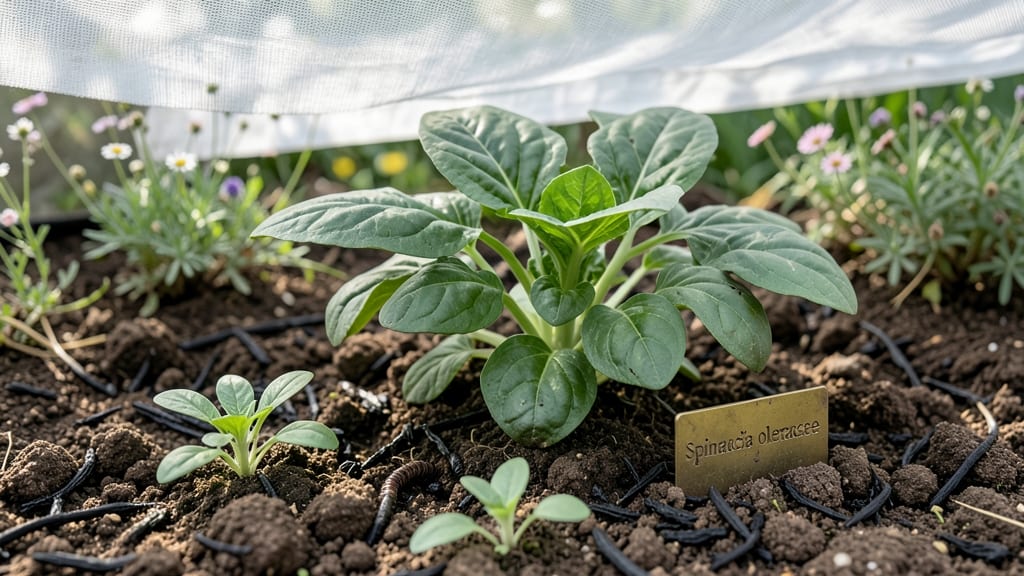
How to help spinach grow in just 30 days starts with one key trick: planting when temperatures dip below 75°F. 🌱 I learned this the hard way—my first attempt in summer heat bolted before I could even pull a leaf. Cold weather slows bolting, and that’s when spinach really shines.
Rich, nitrogen-packed soil is non-negotiable—think compost mixed into the top 6 inches of bed. Spinach thrives in loose, well-draining soil where roots can spread easily. Plant seeds ½ inch deep, 1 inch apart, and keep rows 12 inches apart for airflow. Crowding leads to leggy, weak plants that flop over.
Water consistently—1 inch per week—but never let the soil dry out. Spinach loves moisture, especially during germination. A mulch layer (straw or grass clippings) keeps soil cool and retains water, cutting down on your weekly chores.
Within 3-4 weeks, you’ll see those first true leaves emerge, ready for harvest.
Here’s the secret to avoiding bitter leaves: harvest regularly. Pick outer leaves first, leaving the center to keep growing. This method gives you continuous harvests for weeks, and the plants stay sweet and tender. If you miss this step, you’ll end up with tough, stringy spinach that’s barely edible.
📚 In This Guide
- What you need
- Instructions
- Tips and common mistakes
- Wrapping up and next steps
What you need
- ● Spinach Seeds: Choose cold-hardy varieties like 'Baby’s Leaf Hybrid' or 'Bloomsdale Long Standing'. Buy 1–2 packets (50–100 seeds) for a small garden or 4–6 packets for a larger harvest.
- ● Well-draining soil: A mix of 60% topsoil, 30% compost, and 10% perlite/sand (for aeration). Test soil pH—spinach thrives in 6.5–7.0.
- ● Growing space: For containers: 5–6-inch-deep pots (1–2 plants per pot). Use 5–10 pots for a small harvest.
- ● For ground planting: 12–18 inches apart in rows 12–18 inches apart. Plan for 10–20 plants per 100 sq. ft.
- ● Watering can or hose with a gentle nozzle: Spinach needs 1–1.5 inches of water per week (more in hot/dry spells).
- ○ Row covers or frost cloth (optional but helpful): Protect seedlings from hard frosts (30°F or colder).
- ● Garden gloves (to protect hands from soil and thorns).
- ● Hand trowel or transplanting tool (for digging small holes).
- ● Organic fertilizer: Balanced (10-10-10) or high-nitrogen (e.g., fish emulsion) at planting and mid-growth. 1–2 tbsp per plant.
- ● Mulch (straw or shredded leaves): 2–3 inches thick to retain moisture and suppress weeds.
- ● Grow lights (indoor start): 12–16 hours of light/day if germinating seeds indoors.
- ● Pest deterrents: Neem oil (for aphids) or row covers (for flea beetles).
Step-by-Step instructions for growing spinach in 30 days
Here's how I get crisp, fast spinach harvests—even in cooler weather—using proven timing and care tricks.
🌱 Step 1: Start Seeds Indoors or Direct-Sow in Cool Soil
Spinach thrives in 40-50°F soil, so don't wait for spring. I start seeds indoors 4-6 weeks before last frost in 2-3 inch deep biodegradable pots filled with sterile seed-starting mix. Press seeds ½ inch deep—they need darkness to germinate, so cover lightly with extra mix. Keep the tray in a 70-75°F warm spot (a seedling heat mat works wonders) until sprouts appear in 7-10 days.
For direct sowing, wait until soil cools to 40°F—warmer temps make leaves bolt prematurely. Scatter seeds ½ inch deep in 12-inch rows, spacing them 2 inches apart. Thin seedlings to 4 inches apart once they develop 2 true leaves—this prevents crowding and encourages bushier growth. I always sow in blocks (not rows) for easier harvesting later.
☀️ Step 2: Provide Partial Shade and Consistent Moisture
Spinach hates hot, direct sun—it causes leaves to turn bitter and bolt. Place seedlings in a spot with morning sun and afternoon shade (or use 50% shade cloth if growing in summer). If you're growing in spring or fall, 4-6 hours of sun is perfect. Watch for yellowing leaves—this is your signal to move plants to a shadier spot immediately.
Keep soil evenly moist—never soggy, never dry. I water deeply once daily in the morning, aiming for 1 inch of water per week. Use a soaker hose or drip irrigation to avoid wetting leaves, which prevents fungal diseases like downy mildew. Mulch with 2 inches of straw to retain moisture and suppress weeds. You'll know moisture is right when the soil feels like a wrung-out sponge—damp but not dripping.
💧 Step 3: Fertilize Lightly and Monitor for Bolting
Spinach is a light feeder, so I hold off on fertilizer until seedlings have 4 true leaves. Then, I apply a balanced, water-soluble fertilizer (like 10-10-10) at half strength every 2 weeks. Over-fertilizing leads to rapid growth that turns leaves tough and stringy—something you definitely don’t want in a 30-day harvest.
Watch for bolting (long stems with flowers) as temperatures rise above 75°F. To delay this, I use shade cloth and harvest outer leaves first, letting the center keep growing. If bolting starts, pull the plant and replant with shade-tolerant varieties like 'Bloomsdale Long Standing'—it handles heat better than most.
✂️ Step 4: Harvest Strategically for Continuous Yields
Start harvesting outer leaves when they reach 4-6 inches tall—this encourages the plant to produce more. Use clean scissors and cut leaves at the base, leaving the inner rosette intact. You'll get 3-4 harvests per plant before it bolts. For baby spinach, harvest entire plants when leaves are 3-4 inches tall—they're sweeter and more tender this way.
Real talk: Don't let spinach flower. Once it bolts, leaves become bitter and tough. If you see flower stalks, harvest immediately or pull the plant. For a 30-day fast harvest, succession plant every 2 weeks—this ensures you always have fresh spinach ready. I like to plant 4 rows (as per your servings) in 2-week intervals for a steady supply all season.
⏰ Step 5: Extend the Season with Cold-Weather Tricks
To grow spinach in late summer or fall, use row covers to protect plants from frost (down to 20°F). These lightweight fabrics trap heat and extend the growing season by 4-6 weeks. Remove covers during the day for pollination if you want seeds, but leave them on at night for frost protection.
For winter growth, plant spinach in low tunnels or under cold frames. These create a microclimate that stays 10-15°F warmer than outside temps. With this setup, you can harvest year-round in mild climates. Just remember: spinach is a cool-season crop—it won’t survive extended heat above 80°F, so plan your plantings accordingly.
Tips & tricks for fast spinach growth
Let me share the practical insights that help me consistently achieve those crisp, vibrant spinach harvests within 30 days—even when temperatures try to work against you.
Soil Temperature Secret: The 40-50°F soil temperature range in Step 1 is non-negotiable for fast germination. I use a soil thermometer to verify temps before planting, especially in spring when ground warms quickly. If your soil runs cooler, cover it with black plastic for a day to warm it up—this speeds germination by creating a microclimate. For direct sowing, test soil temperature at the 2-inch depth where roots will develop, not just the surface.
Light Management Game-Changer: That 4-6 hours of morning sun in Step 2 is perfect for spring/fall, but watch for subtle signs of stress. If leaves start curling at the edges during those hours, you're giving too much direct sun—move plants slightly deeper into shade. In summer, 50% shade cloth isn't just protection; it's your secret weapon for preventing bolting. I've seen spinach plants that would have bolted within days thrive for weeks under this simple cover.
Watering Precision: The 1 inch per week guideline in Step 2 becomes tricky when you're aiming for a 30-day harvest. I water in the morning using a soaker hose positioned along the rows, which delivers water directly to roots without wetting leaves. The key is consistency—spinach roots are shallow, so they need steady moisture. Check soil moisture by pressing your finger 1 inch deep; if it feels dry, water immediately. Overwatering causes yellowing leaves, while underwatering makes them tough and bitter.
Harvest Timing Strategy: Those 4-6 inch leaves in Step 4 are your sweet spot for tenderness. I harvest every 2-3 days during peak growth to encourage continuous production. Use clean scissors to cut leaves at the base—never pull them, as this damages the plant. For baby spinach, harvest entire plants when they reach 3-4 inches tall; this prevents bolting and gives you the most tender leaves. The first harvest should come about 25-30 days after planting if all conditions are perfect.
Pro Tips for Help Spinach Grow
- Let me share the practical insights that help me consistently achieve those crisp, vibrant spinach harvests within 30...
- Soil Temperature Secret: The 40-50°F soil temperature range in Step 1 is non-negotiable for fast germination. I use a...
- Light Management Game-Changer: That 4-6 hours of morning sun in Step 2 is perfect for spring/fall, but watch for subt...
Frequently asked questions
Got questions about growing spinach like a pro? You’re in the right place! Here are answers to the most common spinach-growing dilemmas—no green thumb required.
Can spinach grow in hot weather?
Spinach is a cool-season crop, so it struggles in temperatures above 80°F (27°C). If you’re planting in summer, opt for heat-tolerant varieties like 'Tyee' or 'Bloomsdale Long Standing' and provide afternoon shade. For best results, grow spinach in spring or fall when temps are mild.
How often should I water spinach?
Keep soil consistently moist but not soggy—spinach hates drought stress! Water 1–2 inches per week, more often in hot or windy conditions. Drip irrigation or soaker hoses work best to avoid wetting leaves (which can cause disease). Early morning watering prevents fungal issues too!
Why is my spinach turning yellow?
Yellow leaves usually mean overwatering, nutrient deficiency, or pests. Check the soil—if it’s waterlogged, improve drainage. For deficiencies, add compost or a balanced fertilizer. Pests like aphids or slugs can also cause yellowing. Inspect undersides of leaves and treat with neem oil or diatomaceous earth if needed.
Can I grow spinach indoors?
Spinach thrives in containers with 6+ hours of sunlight (a south-facing window or grow lights work). Use a well-draining potting mix and a deep pot (12+ inches) for root growth. Harvest outer leaves first to encourage regrowth. Just avoid overcrowding—space plants 4–6 inches apart!
What’s the fastest way to harvest spinach?
For a quick harvest, use the cut-and-come-again method: Snip outer leaves at the base when they’re 3–4 inches tall, leaving the center intact. This encourages new growth in 2–3 weeks. Avoid pulling whole plants—it stresses the roots and slows regrowth. Harvest in the morning for the freshest, crispest leaves!
Wrapping up and next steps
Growing spinach doesn’t have to be a challenge—with the right cold-weather tricks, fast harvests in just 30 days are totally within reach! 🌱 From picking the perfect spot to mastering soil prep and spacing, these steps ensure your leaves stay lush and abundant.
Whether you’re a beginner or a seasoned gardener, a little patience and consistency will reward you with a thriving crop.
Now that you’re armed with the know-how, roll up your sleeves and get planting! 🌿 Start small if you’re new, or expand your patch for a bigger harvest.
Before you know it, you’ll be savoring homegrown spinach in salads, smoothies, or sautés—all thanks to your green thumb and these pro tips. Happy gardening!