
How To
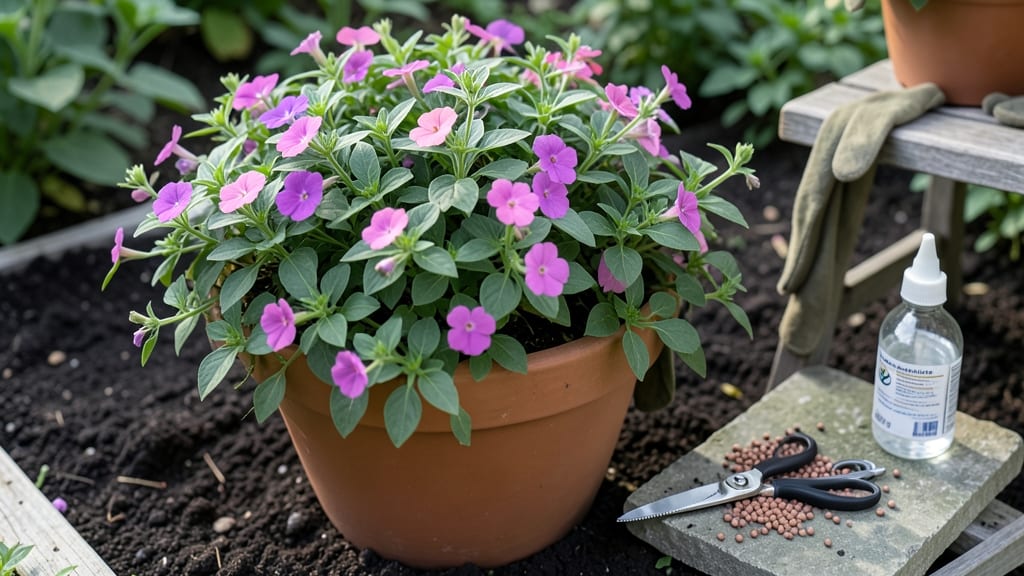
How to make impatiens bushy starts with a simple trick: pinching leggy stems early turns them into lush, blooming bushes. 🌿 I’ve transformed sparse impatiens into vibrant, full plants by following just two simple steps—pinching and feeding—that encourage dense growth from the start.
The secret lies in timing and technique: pinch back the tips of new growth when plants are about 4-6 inches tall, using clean scissors to avoid tearing stems.
This forces energy into side branches, creating that thick, bushy look. Feed with a balanced fertilizer every 2-3 weeks to support this rapid growth.
By midseason, your impatiens will be packed with blooms and foliage, looking like they’ve been growing for months. The key is consistency—keep pinching throughout the season to maintain shape and encourage continuous flowering. Overwatering or poor light can undo all your hard work, though.
This method works for both New Guinea impatiens and classic varieties, and it’s perfect for containers, hanging baskets, or garden beds. With a little patience and the right care, your impatiens will be the envy of the neighborhood—full, vibrant, and impossible to resist.
📚 In This Guide
- What you need
- Instructions
- Tips and common mistakes
- Wrapping up and next steps
What you need
- ● Impatiens plants: Healthy seedlings or mature plants (3–6 inches tall for best results). Choose Impatiens walleriana (New Guinea impatiens) or Impatiens balsamina (garden impatiens).
- ● Pruning shears or clean scissors: Sharp, sterilized tools (rubbing alcohol wipes work great!). Avoid dull blades to prevent tearing stems.
- ● Balanced fertilizer: A water-soluble, 10-10-10 or 20-20-20 NPK ratio (follow label instructions for dilution). Organic options like fish emulsion or compost tea are also ideal.
- ● Watering can or hose with a gentle spray nozzle: For even moisture—impatiens hate soggy roots but love consistent hydration.
- ○ Gloves (optional): Protect your hands from thorns (common in Impatiens balsamina) or soil-borne pathogens.
- ● Rooting hormone: Speeds up recovery if you’re propagating cuttings from pinched stems.
- ● Slow-release fertilizer granules: Mix into soil for a steady nutrient boost (e.g., Osmocote or similar).
- ● Mulch (e.g., pine bark or coconut coir): Retains moisture and regulates soil temperature—perfect for container or garden beds.
- ● Plant support (e.g., tomato cages or stakes): Useful if your impatiens topples over as it fills out.
- ● pH test kit: Ensures soil pH is 6.0–6.5 (impatiens thrive in slightly acidic conditions).
Step-by-step instructions for encouraging bushy impatiens growth
Pinching and feeding create that lush, full look—here's how to do it right for vibrant, blooming impatiens.
🌿 Step 1: Identify and Pinch New Growth
Wait until your impatiens have grown to about 6 inches tall and developed 4-5 sets of true leaves. This is the perfect time to pinch because the plant has established enough energy to branch out. Use clean, sharp pruning shears or your fingers to remove the top 1-2 inches of growth just above a leaf node.
This small cut signals the plant to send out multiple new stems from that point. You'll see new buds forming within 7-10 days—watch for tiny leaf clusters that indicate branching. Never pinch more than a third of the plant at once, or you'll shock it into dormancy instead of blooming. I always pinch on a cloudy morning so the plant has time to recover before afternoon sun.
✂️ Step 2: Prune Regularly to Encourage Branching
After the first pinch, continue pruning throughout the growing season. Every 4-6 weeks, trim back leggy stems to just above a leaf node. Focus on stems that are growing too tall or thin—they won't produce as many flowers. Cut at a 45-degree angle to prevent water from pooling on the stem, which can cause rot.
This isn't just about aesthetics. Each time you prune, you're removing old growth that would otherwise produce fewer blooms. You'll notice new side shoots emerging within 2 weeks of pruning. If your impatiens start looking sparse, it's a sign you need to prune more aggressively—don't wait until they're overgrown.
💧 Step 3: Feed for Lush, Dense Foliage
Use a balanced, water-soluble fertilizer (like 10-10-10) every 2-3 weeks during the growing season. Mix it at half-strength to avoid burning tender impatiens roots. Feed in the morning so the plant has time to absorb nutrients before evening. I always water the plants first to prevent fertilizer burn on dry soil.
For extra bushiness, switch to a low-nitrogen, high-phosphorus fertilizer (like 5-10-5) when buds form. This encourages more blooms instead of just leafy growth. You'll see the difference in 3-4 weeks—plants will have thicker stems and more vibrant flowers. Avoid over-fertilizing, though; impatiens prefer lean soil and will grow leggy if overfed.
☀️ Step 4: Manage Light and Water for Fullness
Impatiens thrive in morning sun and afternoon shade, especially in hot climates. Too much direct sun causes leaves to scorch, while too little light makes them stretch and look sparse. If your plants are growing tall and sparse, move them to a spot with 4-6 hours of filtered sunlight daily.
Water consistently to keep the soil evenly moist but not soggy. Let the top 1 inch of soil dry out between waterings—this prevents root rot while encouraging strong growth. Mulch with 2-3 inches of organic mulch to retain moisture and keep roots cool. You'll notice bushier plants with fewer gaps between stems when they're properly hydrated.
🌱 Step 5: Deadhead and Maintain Blooms
Pinch or cut off spent blooms just above the next set of leaves to encourage new flowers. This redirects the plant's energy from seed production to growing more blooms. I deadhead every 5-7 days during peak blooming season—it keeps the plant looking full and encourages continuous flowering.
If you notice yellowing leaves, it's often a sign of overwatering or poor drainage. Trim affected leaves immediately to prevent disease spread. With consistent care, your impatiens will stay bushy, vibrant, and full of blooms all season long. The key is balance—pinch, feed, and prune at the right times, and your plants will reward you with dense, lush growth.
Tips & tricks for encouraging bushy impatiens growth
These simple yet powerful techniques will transform your impatiens from sparse to stunningly full—no mystery involved.
Timing is Everything: The 7-10 day window after pinching is when your impatiens are most responsive to new growth. Mark your calendar and check daily for those tiny leaf clusters—this is your confirmation that branching is working. If you don't see new buds after 10 days, your pinch might have been too severe or the plant wasn't ready yet.
Pruning Precision: That 45-degree angle when pruning isn't just for looks—it creates more surface area for water to evaporate, reducing rot risk. Use clean tools every time; dirty shears can introduce bacteria that cause brown spots. I keep a small bottle of rubbing alcohol handy to wipe blades between cuts on different plants.
Fertilizer Strategy: The switch to low-nitrogen, high-phosphorus fertilizer (5-10-5) when buds form is where the magic happens for blooms. But here's the secret: mix it with water and apply directly to the soil, not the leaves. This prevents leaf burn while ensuring roots get the phosphorus they need for strong stems and vibrant flowers.
Light Management: Those 4-6 hours of filtered sunlight are non-negotiable for bushy growth. In hot climates, use sheer curtains or shade cloth to filter afternoon sun—direct rays can scorch leaves and stress the plant. I've seen impatiens go from sparse to lush in just 2 weeks after adjusting their light exposure this way.
Pro Tips for Make Impatiens Bushy
- These simple yet powerful techniques will transform your impatiens from sparse to stunningly full—no mystery involved.
- Timing is Everything: The 7-10 day window after pinching is when your impatiens are most responsive to new growth.
- Pruning Precision: That 45-degree angle when pruning isn't just for looks—it creates more surface area for water to evaporate, reducing rot risk.
Frequently asked questions
Got questions about keeping your impatiens lush and bushy? Here are some common ones—and their answers—to help you grow the perfect blooming powerhouse!
When is the best time to pinch impatiens for bushiness?
Pinch your impatiens early in the growing season—typically when they’re 4–6 inches tall and have at least 4–6 sets of leaves. Avoid pinching after late summer, as new growth won’t have time to harden off before frost. For container-grown plants, you can pinch throughout the season if needed!
How much should I trim back my impatiens to encourage bushiness?
Remove just the top set of leaves (about ¼ inch above a leaf node) to prompt branching. Avoid heavy pruning—this can stress the plant. For leggy impatiens, trim back by one-third to encourage dense regrowth, but do this gradually over time.
Will fertilizing alone make impatiens bushy without pinching?
Fertilizer helps, but pinching is key for bushiness. Use a balanced, water-soluble fertilizer (like 10-10-10) every 2–3 weeks to support growth, but combine it with regular pinching for the best results. Over-fertilizing can lead to weak stems, so follow label instructions!
Can I still pinch impatiens if they’re already flowering?
Yes, but lightly! Pinch just above a leaf node (not a flower) to encourage new growth. Avoid heavy pruning during peak bloom, as it may reduce flowering. For a continuous display, pinch after flowers fade to redirect energy to fresh blooms.
What should I do if my impatiens get leggy despite pinching?
Leggy impatiens often need more light (6+ hours of sun) and less fertilizer. Move them to a brighter spot (but avoid harsh afternoon sun) and reduce feeding to half-strength. If pests like aphids are the culprit, spray with neem oil or insecticidal soap to restore health.
Wrapping up and next steps
Growing lush, bushy impatiens is all about timing, technique, and a little extra care! 🌿 With regular pinching, balanced fertilization, and proper sunlight, you’ll transform those leggy stems into a vibrant, blooming bush. Remember: consistency is key—don’t skip those pruning sessions or neglect your plant’s nutritional needs.
Now that you’re armed with the know-how, roll up your sleeves and get growing! Start with one plant, practice your skills, and soon you’ll be the proud gardener of a thriving impatiens display. Happy gardening!