
Blooming
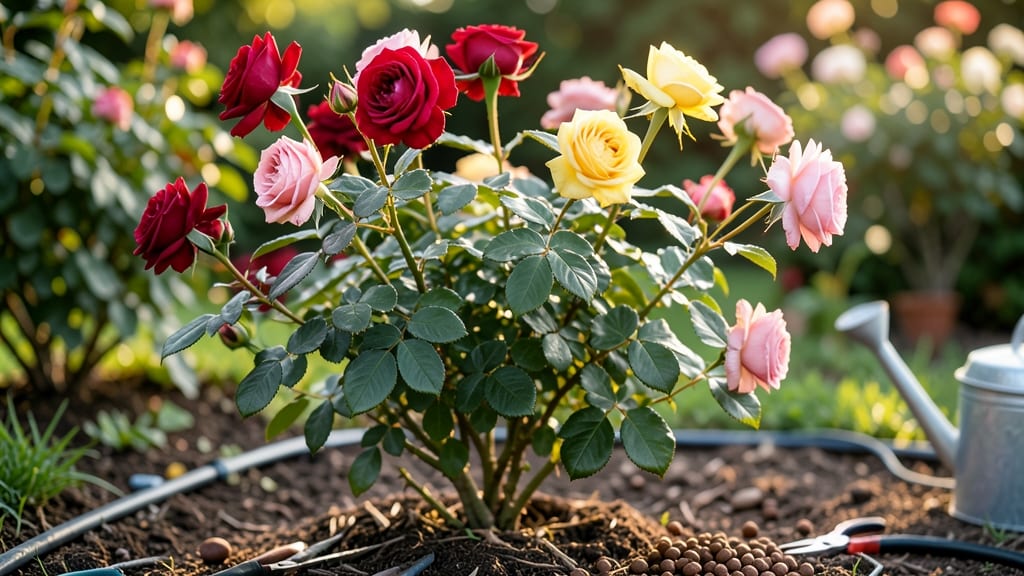
How to get more blooms on roses used to be a mystery—my bushes would put out three blooms and then call it quits. 🌹 The secret to more blooms on roses isn’t just luck—it’s understanding how they grow and what they really need to keep producing. After years of trial and error (and a few sad, sparse bushes), I cracked the code: prune right, feed smart, and deadhead like your garden depends on it—because it does.
Most gardeners miss the basics: roses bloom on new growth, so aggressive pruning in early spring sends them into overdrive. Add a balanced fertilizer with higher phosphorus (the middle number) to encourage flowers, not leaves, and water deeply but infrequently to avoid stress.
My bushes now produce hundreds of blooms per season—no magic, just science-backed habits.
What you’ll get is a bush so lush it looks like a rose garden in a single pot. The blooms arrive in waves, not just one big flush, and they stay vibrant longer because the plant isn’t fighting drought or pests.
The key? Consistency. I’ll show you exactly how to time pruning, when to fertilize, and which pests to watch for—without the guesswork.
This works for hybrid teas, floribundas, and even shrub roses, whether you’re in a hot climate or a cooler one. The only requirement? A little patience and the willingness to tweak your routine. Let’s turn those sparse stems into a nonstop bloom machine—starting this season.
📚 In This Guide
- What you need
- Instructions
- Tips and common mistakes
- Wrapping up and next steps
What you need
- ● Roses: Healthy, established rose bushes (disease-free, ideally hybrid teas or floribundas for re-blooming).
- ● Pruning shears: Sharp, clean, and sterilized (7–10" bypass pruners work best).
- ● Fertilizer: Balanced granular fertilizer: 10-10-10 or 12-12-12 (1 lb per 100 sq ft).
- ● Bloom booster: High-phosphorus fertilizer (e.g., 5-10-5 or 10-30-20) for flowering stages.
- ● Organic mulch: 2–3 inches of shredded bark, pine straw, or compost (helps retain moisture and regulate soil temp).
- ● Watering can or hose: With a gentle spray nozzle (or soaker hose for deep hydration).
- ● pH test kit: To check soil acidity (ideal range: 6.0–6.5 for roses).
- ● Epsom salt (magnesium sulfate): 1 tbsp per gallon of water (for green, healthy foliage).
- ● Rose-specific fertilizer: Products like Miracle-Gro for Roses or Dr. Earth for organic options.
- ● Compost or worm castings: 1–2 cups per bush (adds nutrients and improves soil structure).
- ● Copper fungicide: For preventive care against black spot or powdery mildew.
- ● Rose food sprays: Liquid fertilizers (e.g., Fish emulsion or Seaweed extract for a natural boost).
- ● Plant supports: Stakes or cages (if your roses need extra structure for heavy blooms).
- ● Garden gloves: To protect your hands while pruning or handling soil.
Step-by-Step instructions for encouraging more rose blooms
Here’s the method I’ve used to transform my roses from occasional bloomers to nonstop floral displays—no fancy tricks, just smart care.
🌱 Step 1: Prune for Airflow and Light
Start by removing dead or crossing branches—these steal energy from new growth. Cut just above an outward-facing bud, using clean, sharp shears. I like to make cuts at a 45-degree angle, about ¼ inch above the bud, to prevent water from pooling on the stem. This encourages stronger regrowth and more blooms.
Thin out crowded stems to improve airflow—3-5 main canes per bush is ideal. Roses need circulation to stay healthy, and good airflow prevents fungal diseases that can stress plants and reduce blooming. Watch for buds forming along the canes after pruning; these will develop into your next flush of flowers.
☀️ Step 2: Feed with the Right Fertilizer
Use a balanced, bloom-boosting fertilizer (like 10-10-10 or 5-10-5) in early spring as new growth appears. I apply it every 4-6 weeks through summer, following the package rates. Overfeeding with nitrogen makes roses grow leaves but few flowers—stick to the bloom-encouraging formula.
For a mid-season boost, switch to a phosphorus-heavy fertilizer (like 0-10-10) to encourage root and flower development. Water deeply after each feeding to help nutrients reach the roots. You’ll see new buds forming within 2-3 weeks of feeding if the plant is healthy.
💧 Step 3: Water Deeply and Consistently
Roses need 1-2 inches of water per week, but shallow watering leads to weak roots and fewer blooms. I water deeply 2-3 times per week rather than daily light sprinkles. The soil should be moist 6 inches down—use your finger to check. Drip irrigation or soaker hoses work best to deliver water directly to the roots.
Mulch around the base with 2-3 inches of organic mulch (like shredded bark) to retain moisture and regulate soil temperature. Keep mulch 2 inches away from the stem to prevent rot. Consistent moisture reduces stress, which means more energy for blooming instead of survival.
✂️ Step 4: Deadhead and Prune Regularly
Deadhead spent blooms by cutting just above the first set of 5 leaves below the flower. This signals the plant to produce more blooms instead of seeds. I do this every 2-3 days during peak bloom season—it’s tedious but worth it. Use clean shears to avoid damaging stems, and remove any yellowing or diseased leaves immediately.
In late summer, give your roses a light trim to remove any leggy or overgrown stems. This encourages a fresh flush of blooms before fall. Avoid heavy pruning after mid-August, as new growth won’t harden off before winter. You’ll notice new buds forming within 1-2 weeks of deadheading.
🌿 Step 5: Protect and Encourage Repeat Blooming
Shield roses from late-season frost by covering them with frost cloth or bringing potted varieties indoors. Cold snaps can damage buds, so monitor weather forecasts. In spring, remove winter protection gradually to avoid shocking the plant—start by uncovering for a few hours a day.
For repeat blooming, avoid heavy pruning in fall—just clean up debris and remove dead stems. This lets the plant store energy for next year’s growth. I also add a slow-release fertilizer in early spring to give roots a steady nutrient supply. With these steps, your roses will keep blooming well into fall—and come back stronger next year.
Tips & tricks for perfect rose blooms
Here's what nobody tells you about turning your roses into blooming powerhouses.
Pruning Precision: When you're pruning in Step 1, look for the outward-facing bud—this is your growth signal. If you cut too high, you'll lose that potential bloom. I always make my cuts at that 45-degree angle to prevent water from sitting on the stem, which can cause rot and stress the plant. This small detail makes a huge difference in how quickly new buds form.
Fertilizer Timing: The 4-6 week feeding schedule in Step 2 works because it matches the rose's natural growth cycle. Too much fertilizer too soon can overwhelm the plant, while too little means missed opportunities. I've learned that mid-season phosphorus boost is especially important—it's what pushes those new buds to form within those 2-3 weeks. Don't skip it!
Watering Wisdom: That 6-inch deep moisture check in Step 3 is crucial. Many gardeners only water until the surface looks wet, but roses need deep hydration. I use a screwdriver to check—if it comes out clean at 6 inches, you're good. This consistent moisture means your roses focus energy on blooms instead of survival mode.
Deadheading Discipline: The every-2-3 days routine in Step 4 might seem tedious, but it's what triggers continuous blooming. I set a timer on my phone as a reminder. When you see those new buds forming within 1-2 weeks, you'll understand why the effort pays off. Just make sure to cut cleanly above that first set of 5 leaves—any lower and you'll cut off future blooms.
Pro Tips for Get More Blooms On Roses
- Here's what nobody tells you about turning your roses into blooming powerhouses.
- Pruning Precision: When you're pruning in Step 1, look for the outward-facing bud—this is your growth signal.
- Fertilizer Timing: The 4-6 week feeding schedule in Step 2 works because it matches the rose's natural growth cycle.
Frequently asked questions
Why aren’t my roses blooming this year?
Several factors could be at play: over-pruning (cutting back too late in the season), nutrient deficiencies (like lack of phosphorus), poor sunlight, or stress from pests/disease. Check your pruning timing (early spring) and ensure your roses get 6+ hours of direct sun daily. A soil test can reveal missing nutrients!
How long does it take to see more blooms after adjusting care?
With proper care, you’ll often notice new buds forming in 4–8 weeks. Re-blooming roses (like hybrid teas or floribundas) may take 6–8 weeks to show results after pruning or fertilizing. Patience is key—consistency beats quick fixes!
Can I use coffee grounds or eggshells to boost blooms?
Yes! Coffee grounds add nitrogen (for foliage) and eggshells provide calcium (for strong stems). Mix crushed eggshells into the soil or compost them first. For blooms, focus on phosphorus-rich fertilizers (like bone meal) instead. Balance is key—too much nitrogen = fewer flowers!
What should I do if my roses keep getting black spots?
Black spot (a fungal disease) stops blooming by draining energy. Remove infected leaves, prune for airflow, and apply neem oil or fungicide. Water at the base (not overhead) and avoid wetting foliage. Healthy roses bloom better!
Are there low-maintenance roses that bloom more easily?
Try Knock Out® roses (disease-resistant, minimal pruning) or David Austin English roses (fragrant, repeat-blooming). Climbing roses like ‘New Dawn’ also bloom prolifically with less fuss. Check your climate zone for the best matches!
Wrapping up and next steps
Getting more blooms on your roses is all about patience, consistency, and a little science—but trust us, it’s worth it! 🌸 By mastering pruning techniques, feeding your plants right, and creating the perfect growing conditions, you’ll soon be rewarded with stunning, repeat blooms that turn heads.
Remember, every gardener starts somewhere, so don’t let setbacks discourage you—keep experimenting and adjusting!
Now that you’re armed with these proven strategies, it’s time to roll up your sleeves and give your roses the love they deserve. Start by picking one tip—whether it’s pruning, fertilizing, or adjusting sunlight—and watch your garden transform into a blooming paradise! 🌿