
Companion Plants
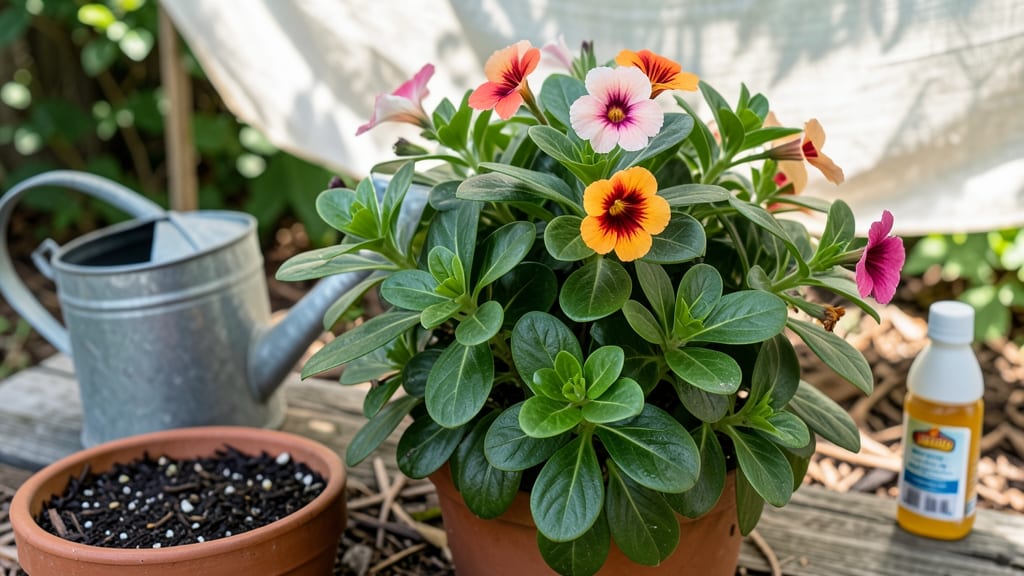
How to care for these New Guinea impatiens plants will reward you with bold, long-lasting blooms that outshine regular impatiens. 💚 I’ve grown these tropical showstoppers for years, and the secret isn’t complicated: mimic their jungle roots with consistent moisture, bright (but not scorching) light, and a little extra humidity boost.
Their love for 60-80% humidity is non-negotiable—dry air makes leaves crispy fast. Start with well-draining soil mixed with perlite, keep them in morning sun with afternoon shade, and water when the top inch feels dry. Overwatering? That’s the real villain here—root rot sneaks in silently.
By midseason, you’ll see vibrant, velvety blooms in colors that defy nature’s usual pink/white palette. Pinch back leggy stems early to encourage bushier growth, and feed every 2-3 weeks with balanced fertilizer. The payoff? Plants that keep flowering until frost—no sad, spent blooms in sight.
Containers dry out faster, so check soil daily in summer. For extra humidity, group them with ferns or mist leaves in the morning. Pests? Watch for spider mites if air gets too dry—their first sign is tiny yellow dots on leaves.
Trust me, these plants repay the effort with showstopping color that lasts.
📚 In This Guide
- What you need
- Instructions
- Tips and common mistakes
- Wrapping up and next steps
What you need
- ● New Guinea Impatiens plants: 1-6 plants (depending on your garden or container size). Choose healthy specimens with vibrant foliage and buds.
- ● Well-draining potting mix: 1-2 bags (10-15 quarts each) of a high-quality, peat-based or coco coir blend. Look for a mix labeled for tropical plants or impatiens.
- ● Containers or garden bed: For containers: 5-15 gallon pots (1 per plant or shared for 2-3 smaller plants). Ensure pots have drainage holes.
- ● For garden beds: A partially shaded, moist area with loose, well-draining soil.
- ● Watering can or hose with a gentle spray nozzle: 1 (for precise watering). Avoid overhead watering to prevent fungal issues.
- ● Fertilizer: 1 bottle of a balanced, water-soluble fertilizer (e.g., 20-20-20 or 10-10-10). Dilute to half-strength for feeding.
- ○ Humidity tray or pebble tray: 1-2 (optional but helpful for indoor or low-humidity settings). Fill with water and pebbles to increase moisture around the plants.
- ● Mulch: 1 bag of organic mulch (e.g., pine bark or shredded leaves) to retain moisture and regulate soil temperature.
- ● Pruning shears: 1 pair (for trimming leggy stems or deadheading spent blooms). Sterilize with rubbing alcohol between uses!
- ○ Gloves: 1 pair (to protect hands from soil or sap). Optional but recommended for messy tasks.
- ● pH testing kit: 1 (to check soil pH, ideal range: 6.0–6.5). Adjust with lime or sulfur if needed.
- ● Grow lights or LED bulbs: 1-2 (for indoor setups). Use full-spectrum bulbs if natural light is limited (12–14 hours/day).
- ● Spray bottle: 1 (for misting leaves in dry conditions). Fill with room-temperature water.
- ○ Plant supports (optional): 1-2 stakes or cages (if stems need extra support as they grow).
- ● Fungicide: 1 bottle (e.g., copper-based or neem oil). Keep on hand to treat powdery mildew or downy mildew if needed.
Step-by-Step instructions for cultivating thriving New Guinea impatiens
These vibrant tropical beauties reward precise care with nonstop blooms—here’s how to keep them happy.
🌿 Step 1: Select the Perfect Light Balance
New Guinea impatiens thrive in bright, indirect light—think dappled shade or filtered sunlight through sheer curtains. Direct midday sun scorches their delicate leaves, while too little light causes leggy growth and sparse blooms. I position mine near an east-facing window where they get morning sun and gentle afternoon shade. If your space only offers low light, supplement with a grow light positioned 12-18 inches away for 12-14 hours daily.
Watch for these cues: leaves that darken to deep green are happy, while pale yellowing means they’re reaching for more light. Variegated varieties need slightly more brightness to maintain their pattern. Rotate the pot quarter-turn weekly so all sides grow evenly—you’ll notice stems leaning toward the light if you skip this.
💧 Step 2: Master the Moisture Routine
These tropical plants despise dry soil. Keep the top inch of soil consistently moist—never soggy. I water when the soil feels damp but not wet to the touch, usually every 2-3 days depending on humidity and temperature. Use room-temperature water to avoid shocking the roots. For best results, water from the bottom by placing the pot in a saucer of water for 10-15 minutes, then drain excess. This prevents fungal issues that thrive in damp foliage.
Overwatering is the #1 killer—yellow leaves and mushy stems signal root rot. If you notice this, reduce watering and ensure the pot has drainage holes. During winter’s dry air, you might water every 4-5 days, but always check moisture before watering again. A moisture meter helps, but your finger works too—just don’t press too hard.
☀️ Step 3: Boost Humidity to Tropical Levels
New Guinea impatiens demand 60-70% humidity—far higher than most homes provide. I place my plants on a pebble tray filled with water and pebbles (using the 1 gallon of pebbles from my supplies) to create a natural humid microclimate. Alternatively, group plants together or use a humidifier nearby. Watch for curled leaves or brown tips—these are classic dry-air warnings. Mist the foliage daily in low-humidity conditions, but avoid wetting the flowers as this shortens their lifespan.
In winter, when indoor air dries out, I increase misting to twice daily and add a clear plastic tent over the plants for a few hours to trap moisture. Remove it once humidity improves. You’ll see the difference immediately—leaves stay plump and vibrant, not crispy at the edges. This is the secret to their lush, tropical look.
✂️ Step 4: Prune and Feed for Continuous Blooms
Pinch back leggy stems to encourage bushier growth and more flowers. Use clean, sharp scissors to snip just above a leaf node—this redirects energy to new side shoots. I deadhead spent blooms weekly to prevent seed pods from forming, which drains the plant’s energy. For established plants, a balanced liquid fertilizer (like 10-10-10) applied every 4-6 weeks during spring and summer keeps them thriving. Reduce feeding in fall and winter when growth slows.
Here’s the thing—New Guinea impatiens bloom best when slightly root-bound. If you see roots circling the pot, it’s time to repot into a container just 1-2 inches larger. I use well-draining potting mix (like the 2 gallons of African violet mix I blend with perlite) to prevent waterlogging. After repotting, hold off on fertilizer for 2 weeks to let the roots recover.
🪴 Step 5: Protect from Pests and Temperature Swings
Keep temperatures between 65-75°F—these plants bolt or drop buds in heat above 80°F or cold below 55°F. Drafts from windows or vents cause stress, so avoid placing them near temperature fluctuations. Watch for aphids or spider mites, common pests that thrive in dry conditions. I treat infestations by isolating the plant, wiping leaves with neem oil, and increasing humidity to deter future problems. You’ll spot mites as tiny webs on the undersides of leaves—act fast before they spread.
For extra protection, I spray leaves with water daily in dry climates to wash away dust and deter pests. This also mimics their natural rainforest environment. If you notice leaves dropping suddenly, check for sudden temperature drops or drafts—these plants are tropical through and through and won’t tolerate sudden changes. A simple thermometer near the plant helps monitor conditions.
Tips & tricks for perfect New Guinea impatiens care
Real talk: these tropical beauties don't forgive neglect—but they reward precision with stunning, nonstop blooms. Here's how to keep them thriving without the guesswork.
Light Positioning: In Step 1, when you're placing your plants near that east-facing window, pay special attention to the 12-14 hour light cycle if using grow lights. I've found that using a timer for grow lights eliminates the guesswork—set it to turn on at 6 AM and off at 6 PM to match natural daylight patterns. For variegated varieties, supplement with a 100-watt LED grow bulb during cloudy days to maintain their striking patterns. Watch for leaves that develop a pale cast—they're screaming for more light.
Humidity Hack: The 60-70% humidity requirement in Step 3 is non-negotiable, but here's my secret weapon: place your pebble tray on top of a shallow tray filled with hot water (not boiling). The steam rising from the hot water creates a mini humidifier effect that lasts for hours. I also group my plants together—they create their own microclimate where humidity naturally rises. For winter care, I've had success with a small humidifier on low setting near the plants, which prevents the crispy leaf edges that signal dry air.
Watering Technique: When you're practicing the bottom-watering method in Step 2, here's what nobody tells you: always use room temperature water—cold water shocks the roots and can cause yellowing. I fill my saucer with 1-2 inches of water and let the plant soak for exactly 10-15 minutes (no longer!), then drain completely. Over time, you'll notice the soil's moisture retention improves—this means your plant is adapting to its tropical needs. For winter care, I reduce the bottom-watering frequency to every 4-5 days and check soil moisture with my finger before watering again.
Temperature Troubleshooting: Maintaining that 65-75°F range from Step 5 requires some detective work. I place a small thermometer near my plants to monitor conditions—sudden drops below 55°F or spikes above 80°F will cause buds to drop like it's the end of the world. If your home runs hot, move plants away from south-facing windows and consider using a fan on low setting to create gentle airflow. In winter, I've had success with a space heater on low near the plants during cold snaps, but always keep it at least 3 feet away to prevent heat stress.
Pro Tips for Care For New Guinea Impatiens Plants
- Real talk: these tropical beauties don't forgive neglect—but they reward precision with stunning, nonstop blooms.
- Light Positioning: In Step 1, when you're placing your plants near that east-facing window, pay special attention to the 12-14 hour light cycle if using grow lights.
- Humidity Hack: The 60-70% humidity requirement in Step 3 is non-negotiable, but here's my secret weapon: place your pebble tray on top of a shallow tray filled with hot water (not boiling).
Frequently asked questions
Got questions about keeping your New Guinea Impatiens thriving?
Here are answers to the most common ones—so you can enjoy vibrant blooms all season long!
How often should I water New Guinea Impatiens?
Water them daily during hot, dry weather—these plants love moisture! Let the top inch of soil dry out between waterings, but never let them wilt. In cooler or humid conditions, water every other day. Mulching helps retain moisture and reduces evaporation.
Why are my New Guinea Impatiens leaves turning yellow?
Yellow leaves usually mean overwatering or poor drainage. Check the roots—if they’re mushy or the soil smells sour, cut back on water and ensure pots have drainage holes. Yellowing can also signal nutrient deficiency; try a balanced liquid fertilizer every 2–3 weeks.
Can New Guinea Impatiens tolerate full sun?
Nope! They thrive in partial shade (4–6 hours of morning sun max). Too much direct sun causes leaf scorch or faded blooms. In hot climates, dappled shade (like under tall trees) is ideal. If your garden is sunny, place them near a fence or patio for indirect light.
How do I encourage more blooms on my New Guinea Impatiens?
Deadhead spent flowers regularly to prompt new blooms! Pinch back leggy stems to encourage bushier growth. Feed with a phosphorus-rich fertilizer (like 10-10-10) every 4–6 weeks. Avoid overcrowding—space plants 10–12 inches apart for better airflow and light exposure.
What pests should I watch for, and how do I treat them?
Keep an eye out for aphids, spider mites, and whiteflies. Blast pests off with water or use neem oil for organic control. For severe infestations, insecticidal soap works well. Prevention tip: Healthy plants with good airflow resist pests better—so water consistently and avoid over-fertilizing!
Can New Guinea Impatiens survive winter?
Not outdoors in most climates—they’re tender perennials (USDA zones 10–11). In cooler areas, grow them as annuals or overwinter indoors near a bright window. If you must save them, trim back, repot, and keep them in a cool (50–60°F) spot with minimal water until spring.
Wrapping up and next steps
Caring for New Guinea Impatiens is all about embracing their tropical nature—think bright light, consistent moisture, and a cozy, humid environment. With the right balance of watering, pruning, and pest control, you’ll reward yourself with vibrant blooms that last all season. 🌸
Now that you’re armed with the secrets, why not take the next step? Try propagating a cutting or experimenting with companion plants like ferns or begonias to create a stunning, low-maintenance garden oasis. Happy gardening!