
How To
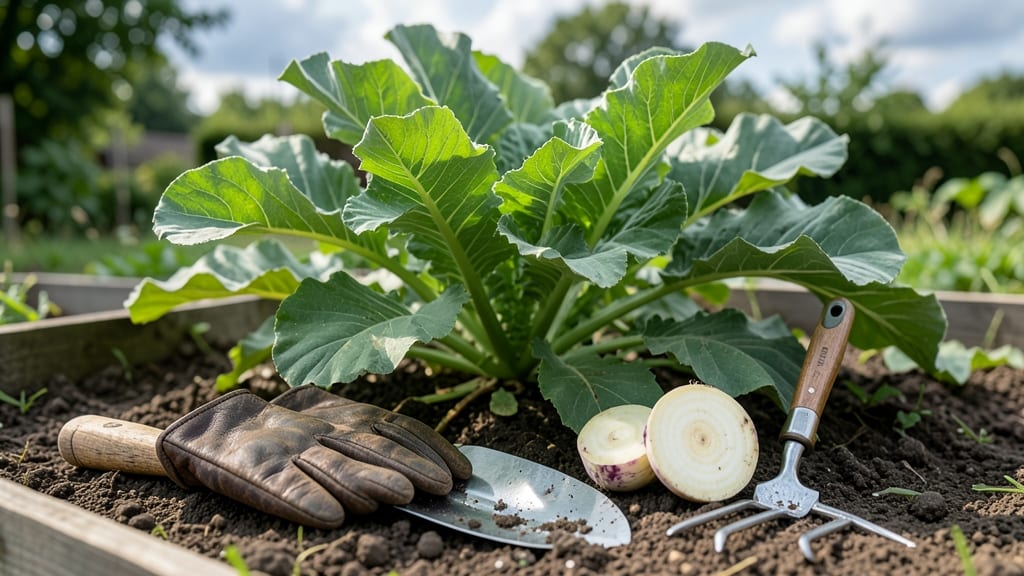
How to know when turnips are ready to harvest can turn a bland meal into a crisp, sweet victory in your garden. That 🥕 you’ve nurtured for weeks might still be too small—or worse, already woody—if you miss the window. The difference between tender roots and tough disappointment often comes down to three simple checks: size, leaf color, and root firmness.
Most gardeners wait until turnips reach 1-3 inches in diameter, but timing varies by variety and season. Spring-planted turnips in zone 6a typically hit peak flavor by May, while fall crops need harvesting by October before frost sets in.
The key? Don’t rely on days alone—your turnips will tell you when they’re ready through subtle visual and tactile cues.
Harvesting too early means tiny, watery roots, while waiting too long turns them bitter and stringy. I’ll show you how to test for the perfect moment, whether you’re after the roots or the greens.
With these 3 tactile tests, you’ll never second-guess your harvest again—and your dinner table will thank you.
Ready to go from guesswork to confidence? Let’s dive into the signs that prove your turnips are finally perfectly ripe—no more, no less. Your next meal starts in the soil.


3 Tactile tests to determine turnip harvest readiness
Turnips are ready to harvest when they reach the perfect balance of size, texture, and flavor—but how do you know exactly when? Unlike some vegetables, turnips don’t ripen after picking, so timing is everything.
The key is using your hands and eyes to check for three critical maturity signs: root size, firmness, and leaf condition. Let’s break down each test so you can confidently pull turnips at their peak.
First, focus on the root diameter. Ideal turnips for eating should measure between 1 to 2 inches wide. If they’re smaller than a golf ball, they’re still growing and lack flavor. On the flip side, roots larger than a tennis ball become tough and woody.
Use a ruler or your thumb to gauge size—this simple trick saves you from harvesting too early or too late.
Next, dig your fingers into the soil around the turnip’s base and gently loosen it. When it’s ready, the root should pop out easily with minimal resistance.
If the soil clings tightly or the root feels spongy, it’s not mature yet. Pro tip: Use a garden fork to avoid damaging nearby plants while testing.
Now, examine the leaf condition. Healthy turnip greens start as vibrant green but gradually yellow and wilt as the root matures. When about 20-30% of the leaves turn yellowish-brown, the root below is likely ready.
However, don’t wait until all leaves die back—this means the turnip has passed its prime and may develop a bitter taste.
3 Tactile tests to determine turnip harvest readiness
Turnips are ready to harvest when they pass three simple tactile tests: size, firmness, and root resistance. These tests ensure you get the perfect balance of crisp texture and sweet flavor before the roots become tough or bitter.
I’ve used these methods for years in my garden, and they’ve never failed me!
First, check the root size—ideal turnips should measure 1-3 inches in diameter. Smaller roots are still tender but underdeveloped, while larger ones become woody. This is your first clue that it’s time to harvest. Think of it like picking a ripe tomato: timing is everything!
Next, examine the leaf condition. When the outer leaves start to yellow and wilt, it’s a clear sign the root is ready. Healthy green leaves mean the turnip still needs time, but yellowing indicates the plant is redirecting energy to the root.
This is nature’s way of telling you, “It’s harvest time!”
For turnip greens, harvest them 2-3 weeks before the roots reach maturity. Young greens are tender and packed with flavor, while mature greens become tough.
I like to harvest greens in stages, leaving the roots to grow larger for later harvests. This method extends your harvest season and reduces waste!
Harvesting at the right time also prevents bitterness and woody texture, which happen when turnips mature too long. I’ve learned this the hard way—once, I waited too long, and my turnips tasted like cardboard! Now, I set reminders based on the 50-day growth window for most varieties.
Pro tip: Harvest on a cool morning after watering. The roots will be firmer, and the soil easier to work with. Use a garden fork to loosen the soil around the roots before pulling them gently. This protects the plant and makes cleanup easier. 🥕