
Picking
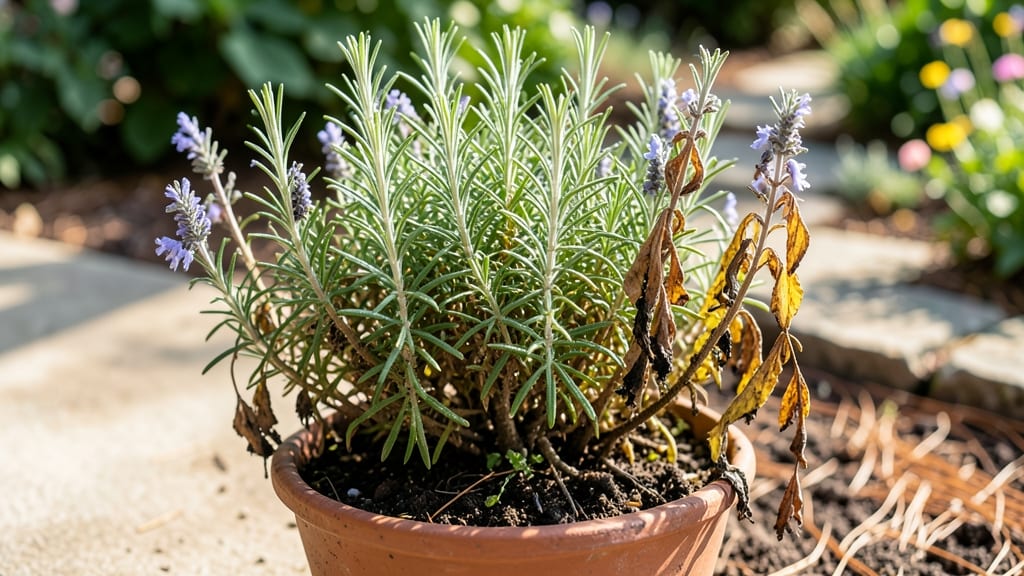
How to know if rosemary is bad—that pungent rosemary smell suddenly vanished from your kitchen windowsill. 🌿 The first sign your rosemary’s gone bad isn’t always obvious—until it’s too late. I’ve saved more than a few plants by catching these early warning signs before they spiral into full-blown rot or pest infestations.
Start with a close look: healthy rosemary has vibrant green needles that stand stiff and upright. If they’re turning brown at the tips, wilting, or covered in black spots, that’s your first red flag.
Then comes the touch test—squeeze the stems. They should spring back; if they stay bent or feel mushy, overwatering’s likely the culprit.
The smell test is the final judge: fresh rosemary should burst with that sharp, piney aroma. If it smells musty, sour, or like nothing at all, it’s time to toss it.
Even worse? A faint vinegary or fermented odor means mold’s already set in. These tests work for both potted plants and cut sprigs you’ve stored in the fridge.
Most issues stem from overwatering or poor drainage—rosemary hates soggy roots. If you spot pests like spider mites or aphids, isolate the plant and treat it with neem oil before the problem spreads. A little vigilance now keeps your rosemary thriving for years, not weeks.
📚 In This Guide
- What you need
- Instructions
- Tips and common mistakes
- Wrapping up and next steps
What you need
- ● Fresh rosemary sprigs – 1-2 sprigs (or a small bunch if testing a larger quantity).
- ● Clean hands – For proper handling and sensory testing.
- ○ Paper towel or napkin – Optional but helpful for wiping leaves or sprigs if needed.
- ● Sharp knife or scissors – For cutting a small section if examining the stem.
- ● Magnifying glass – To inspect tiny details like mold or discoloration up close.
- ● Small bowl of water – For a quick float test (if testing dried rosemary).
- ○ Food scale (optional) – If measuring weight for bulk purchases.
Step-by-Step instructions for testing fresh rosemary quality
Here’s how to check your rosemary—no guesswork, just simple tests to save good herbs and toss the bad.
🌿 Step 1: Look for Fresh Green Color and Dry Stems
Start by examining the rosemary sprigs closely. Fresh rosemary has vibrant bright green needles with no yellowing or browning. If you see dull, grayish-green leaves or dry, crispy tips, that’s a red flag—they’ve lost moisture and flavor. Hold a sprig between your fingers: if the needles snap easily instead of bending, it’s still fresh. But if they crumble or fall off when touched, toss it.
Check the stems too. A fresh stem feels firm and slightly springy when squeezed gently. If it feels mushy or hollow, the rosemary has gone bad. Also, watch for mold or fuzzy spots—these mean it’s spoiled and should be discarded immediately.
👃 Step 2: Smell for Strong, Piney Aroma
Give the rosemary a good sniff. Fresh rosemary has a bold, pine-like scent that’s instantly recognizable. If it smells weak, musty, or like dirt, it’s past its prime. A faint or sour odor means it’s been sitting too long and has started to decompose. I always compare it to a fresh sprig from the grocery store—if yours doesn’t match that bright, aromatic punch, it’s time to replace it.
Pro tip: If you’re unsure, crush a tiny pinch of needles between your fingers. Fresh rosemary releases a strong, resinous fragrance even when crushed. If it smells bland or like nothing at all, it’s lost its potency.
💧 Step 3: Test for Moisture and Flexibility
Grip a sprig near the stem and give it a slight bend. Fresh rosemary bends without breaking—it’s flexible like a willow branch. If it snaps with a dry crack or feels brittle, it’s dried out. On the flip side, if the stem feels slimy or oozes liquid when squeezed, it’s rotting and unsafe to use.
For dried rosemary, the test is different. Run your fingers along the needles—they should feel dry but not powdery. If they crumble into dust or smell damp, they’ve absorbed moisture and gone bad. Fresh dried rosemary also holds its shape when you pinch it; if it falls apart easily, it’s lost its quality.
⏰ Step 4: Check the Age and Storage Conditions
Fresh rosemary lasts about 1-2 weeks in the fridge, stored in a loosely wrapped plastic bag with a paper towel to absorb excess moisture. If it’s been sitting in the fridge for over 2 weeks, it’s likely spoiled, even if it looks okay. For dried rosemary, it should last 6-12 months in an airtight container away from light and heat. If it’s been open for more than a month, test it carefully—exposure to air speeds up spoilage.
Here’s the thing—if your rosemary fails two or more of these tests, it’s better to toss it. Even if it looks okay, the flavor and safety can’t be trusted. But if it passes all three? You’ve got a winner—use it up before it’s too late!
Tips & tricks for testing rosemary quality
These simple tricks will help you confidently identify fresh rosemary every time—no more wasted herbs!
Visual Cues for Freshness: In Step 1, look for the "V" shape where needles meet the stem—this is where fresh rosemary stores its oils. If you notice tiny brown spots or white powder (rosemary powder), that's a sign of old age. Also, check for any webbing between stems—this indicates spider mites, which mean your rosemary is compromised.
Smell Test Variations: When you crush a tiny pinch of needles in Step 2, you're actually testing for essential oils. If you don't smell anything at all, that's a clear sign the rosemary has lost its potency. For dried rosemary, the smell should be concentrated—if it's faint even when crushed, it's past its prime. I like to compare it to a fresh sprig from the store as a reference point.
Flexibility Test for Dried Rosemary: For Step 3's flexibility test with dried rosemary, here's a pro move: hold the sprig between your thumb and forefinger and gently squeeze. Fresh dried rosemary should feel like a firm, slightly springy branch. If it crumbles between your fingers like sand, it's lost its quality. This test works best when you're comparing multiple sprigs side by side.
Pro Tips for Know If Rosemary Is Bad
- These simple tricks will help you confidently identify fresh rosemary every time—no more wasted herbs!
- Visual Cues for Freshness: In Step 1, look for the "V" shape where needles meet the stem—this is where fresh rosemary stores its oils.
- Smell Test Variations: When you crush a tiny pinch of needles in Step 2, you're actually testing for essential oils.
Frequently asked questions
Got questions about spotting bad rosemary? You’re not alone! Here’s a quick breakdown of the most common concerns—because nobody wants to ruin a meal (or waste their herbs) over a little doubt.
How long does fresh rosemary last before going bad?
Fresh rosemary typically stays good for 1–2 weeks when stored properly in the fridge (wrapped in a damp paper towel or placed in a sealed container). If it’s dried, it can last 6–12 months in a cool, dark place like a pantry. When in doubt, trust your senses—if it’s past its prime, toss it!
Can you eat rosemary that smells a little off?
Nope! If your rosemary has a sour, musty, or rotten smell, it’s time to ditch it. A faint herbal aroma is normal, but anything funky or overly pungent means bacteria or mold might be lurking. When in doubt, skip it—your taste buds (and stomach) will thank you!
What happens if you cook with bad rosemary?
Cooking with spoiled rosemary won’t necessarily make you sick, but it can ruin the flavor of your dish. Bad herbs add a bitter, off, or even metallic taste. If you’re using it in soups or sauces, the flavor might be masked—but in delicate dishes like salads or roasted veggies, it’ll stand out like a sore thumb. Better safe than sorry!
Can you revive wilted or dried-out rosemary?
Unfortunately, wilting or overly dried rosemary is usually a sign it’s past saving. Trimming the stems and placing it in water (like flowers) won’t bring it back to life—rosemary is a woody herb that doesn’t regrow easily. If it’s just slightly limp, give it a quick rinse and pat it dry, but if it’s crispy or discolored, compost it and start fresh!
What’s a good alternative if my rosemary is bad?
No worries! Swap rosemary for:
- Thyme (milder, earthy flavor—great for roasted meats)
- Oregano (bold and aromatic, perfect for Italian or Mediterranean dishes)
- Marjoram (sweeter and more delicate, works well in soups)
- Bay leaves (for a subtle, woodsy note in stews or braises)
Wrapping up and next steps
Don’t let a bad batch of rosemary ruin your dish—now you’ve got the know-how to spot it with ease! 🌿 Whether it’s through foul smells, slimy textures, or discolored sprigs, trust your senses to keep your kitchen safe and flavorful.
Next time you’re prepping herbs, take a quick sniff and glance—your future recipes (and taste buds) will thank you!
Ready to level up your herb game? Try swapping rosemary for other fresh herbs like thyme or oregano, or explore preserving techniques to extend their shelf life. Happy cooking! 🍴