
How To
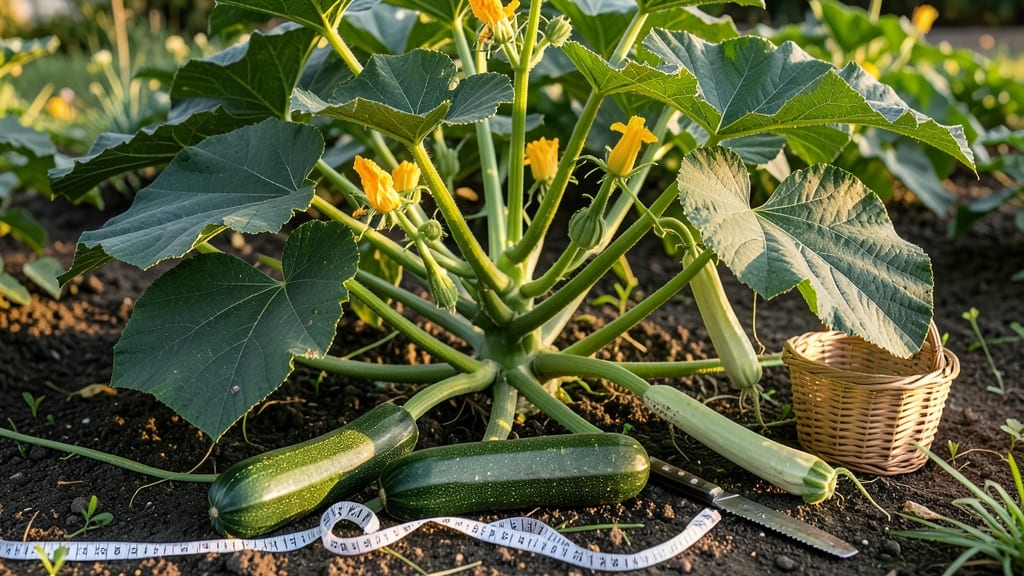
Knowing how to know if zucchini is ripe can save you from tough, seedy disappointments—or worse, wasting perfectly good produce. That first harvest is always exciting, but if you wait too long, your zucchini 🎃 turns from tender to tough in a matter of days.
Gardeners swear by simple tricks to catch zucchini at peak flavor, and the best part? You don’t need fancy tools—just your fingers and a little know-how. Whether you’re a first-time planter or a seasoned green thumb, these 3 easy tests will help you pick the perfect zucchini every time.
Timing is everything when it comes to zucchini, especially during July and August when they grow fast. Harvest too early, and they’ll be bland; wait too long, and you’ll end up with a rock-hard vegetable. I’ll show you exactly what to look (and feel) for to avoid common mistakes.
Ready to go from guessing to confident harvesting? Let’s dive into the finger tests that’ll change the way you pick zucchini—so you can enjoy the best flavor all season long.
3 Finger tests to determine zucchini ripeness (with visual guide)
Zucchini ripeness is all about texture and size—not just color. Overripe zucchini turns tough and seedy, while underripe ones lack flavor. The good news? You don’t need fancy tools—just your fingers and a little practice. These three simple tests will help you pick zucchini at peak freshness every time.
First, check the blossom end (the end opposite the stem). A yellowing blossom end signals ripeness, while a green one means it needs more time. This is your first clue that the zucchini is ready to harvest. Pair this with the finger tests below for foolproof results.
Next, use your thumb and forefinger to gently squeeze the zucchini’s skin. If it feels firm but slightly soft (like a ripe avocado), it’s perfect. Too hard? It’s underripe. Too soft? It’s overripe and past its prime.
Here’s where the visual guide comes in—because seeing the differences makes all the difference:
The nail press test is my favorite—press your thumbnail into the zucchini’s skin. If it leaves a slight indentation, it’s ripe. No dent? It’s too firm. Too much dent? It’s overripe and likely bitter.
Pro tip: Harvest in the morning when zucchini is coolest and crispest. Use a sharp knife or pruners to cut the stem, leaving a small portion attached to the plant. This prevents damage and encourages more growth.
Remember, size matters too—aim for 6-8 inches in length. Anything smaller is underripe, and anything larger is often tough. Regular harvesting keeps your plants producing, so check them every 2-3 days during peak season.
If you’re still unsure, slice one open: small, tender seeds mean it’s perfect, while large, hard seeds mean it’s past its prime. With these tests, you’ll never waste another zucchini again!
Now that you’ve mastered the finger tests, let’s talk about the best time of day and seasonal timing for harvesting—because even the ripest zucchini tastes better when picked at the right moment. 🎃
When to harvest zucchini for best flavor and seed maturity
Zucchini ripens quickly, so timing your harvest is everything. The best flavor comes when zucchini is 6-8 inches long, with a deep green, glossy skin and a slightly firm texture. Waiting too long turns them tough and seedy, while picking too early means underdeveloped flavor.
Think of it like catching a wave—too early and you miss the sweet spot, too late and you're left with a bitter, fibrous mess.
Seed maturity plays a huge role in taste. When zucchini reaches ideal harvest size, the seeds inside are still small and tender. As they mature, seeds grow larger and harder, making the flesh tougher.
This is why experienced gardeners check both size and texture—not just one or the other. A quick glance at the blossom end (the yellowed part where the flower was) can also tell you if it's ready to pick.
Pro Tip: If your zucchini plants are prolific, harvest every 2-3 days to keep them producing. Overripe zucchini not only loses flavor but also signals the plant to stop flowering. This means fewer harvests later in the season. Think of it as a feedback loop—consistent picking encourages more fruit, while neglect leads to a sudden flood of oversized zucchini that no one wants.
Seasonal timing matters too. In hot summer months, zucchini grows faster, so check plants daily. In cooler weather, they mature more slowly, giving you a little more breathing room.
Pay attention to your local climate—if you're in a short growing season, prioritize harvesting at the first signs of readiness to maximize your yield before frost.
🎃 Color consistency is another key indicator. A zucchini ready for harvest will have a uniform deep green hue with no yellowing or pale spots. If you notice uneven coloring, it might be overripe or stressed.
Also, the skin should feel slightly smooth and firm—not waxy or soft. This texture tells you the fruit is at peak ripeness, not past it.
Here’s a quick seasonal