
How To
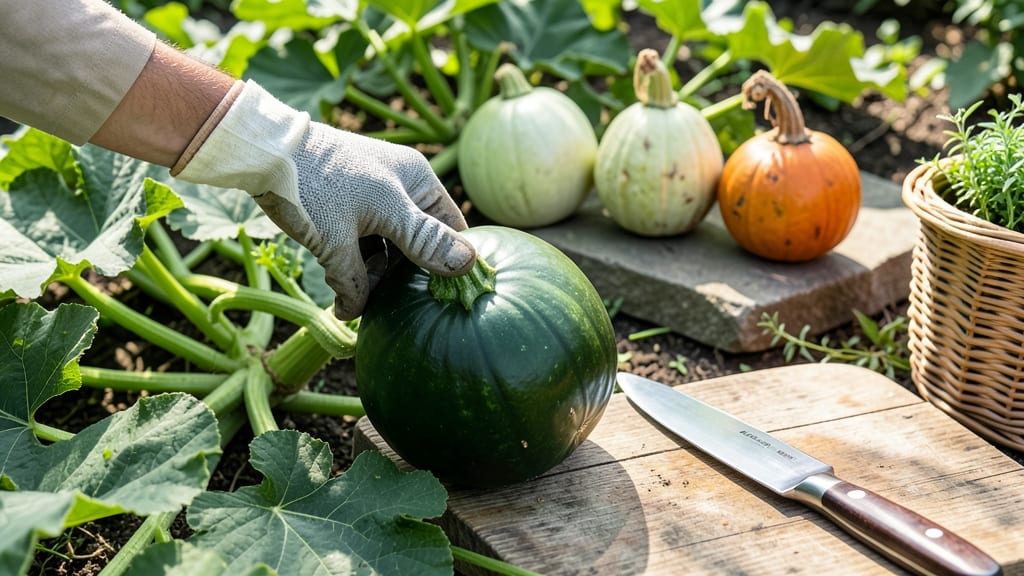
Knowing how to know when squash is ready to pick can turn a 🎃 garden bounty into a kitchen triumph—or a wasted effort.
That perfect moment between underripe and overripe is trickier than it seems, especially for beginners who’ve ever sliced into a squash only to find it still rock-hard or mushy inside.
Here’s the good news: you don’t need a degree in botany to master it. With just three simple tactile tests—skin firmness, stem separation, and size consistency—you’ll never second-guess your harvest again.
These tricks work for everything from zucchini to butternut, and they’ll save you from the frustration of picking too soon (or too late).
Let’s cut to the chase: summer squash and winter varieties ripen differently, and missing those cues means missing out on peak flavor and texture.
I’ll walk you through exactly what to look (and feel) for, so you can confidently pluck your squash at its prime—before the vines start to sag or the seeds turn into a crunchy surprise.
Ready to stop guessing? By the end of this, you’ll know the one telltale sign most gardeners overlook—and how to adjust if you’ve already missed the window. Your next harvest will thank you.
3 Tactile tests to determine squash ripeness (with visual & touch cues)
Harvesting squash at the wrong time can ruin your meal plans—overripe squash turns mushy, while underripe squash is bland and seedy. The key? Mastering three simple tactile tests that reveal ripeness without guessing.
These hands-on checks work for zucchini, yellow squash, butternut, acorn, and pumpkins, so you’ll never miss the perfect harvest window again.
First, press your thumbnail into the squash skin. If it sinks in easily, the fruit is still maturing. When ripe, the skin should feel hard and resistant—like pressing a fingernail into a ripe avocado.
This test works best on summer squash varieties like zucchini, where skin firmness is a primary indicator of readiness.
Next, gently twist the stem where it meets the fruit. A ripe squash’s stem will dry out and separate cleanly from the vine with minimal resistance. If the stem pulls away but leaves a wet or sticky residue, the squash needs more time.
This stem separation test is foolproof for winter squash like butternut or acorn, where stem drying signals full maturity.
Finally, check the seed development by slicing open the squash (if you’re comfortable doing so). Ripe squash will have small, fully formed seeds embedded in the flesh. If the seeds are still tiny or the center is hollow, wait a few more days.
For pumpkins and winter squash, this internal check ensures you’re harvesting at peak flavor and storage potential.
Press your thumbnail into the skin. If it resists, the squash is ripe. If it sinks in, wait 2-3 days.
Twist the stem gently. If it separates dryly, harvest now. If it resists or leaves moisture, wait.
Slice open the squash. Fully formed seeds = ripe. Tiny or hollow centers = not ready.
Avoid these common mistakes: Harvesting squash too early because it’s "big enough" (size ≠ ripeness) or too late because you missed the stem test. Overripe squash develops a woody texture and bitter taste, while underripe squash lacks flavor and has large, undeveloped seeds. For summer squash, aim to harvest every 3-5 days to keep production steady and prevent overgrowth.
For winter squash, like butternut or acorn, focus on the stem drying and deep color development. These varieties can wait longer on the vine, but don’t delay past the first frost—cold temperatures turn the flesh mushy.
Store winter squash in a cool, dry place (50-55°F) for up to 3 months after harvest.
If you’re still unsure, use the color cue as a secondary check. Ripe squash develops a vibrant, even color—deep green for zucchini, golden yellow for yellow squash, or rich orange for butternut.
Uneven or pale colors mean it’s not ready. Pair this with your tactile tests for foolproof results every time.
Remember: Harvesting squash at the right time isn’t just about taste—it’s about encouraging more production. When you pick ripe squash, the plant redirects energy to produce new flowers and fruits. So master these tests, and you’ll enjoy a bountiful, flavorful harvest all season long.
🎃
Squash variety-specific harvest times: when to pick summer vs. winter squash
Not all squash ripen the same way—summer squash like zucchini and yellow squash have different cues than winter squash like butternut or acorn. Understanding these variety-specific signals ensures you harvest at peak flavor and texture.
Summer squash, for example, should be picked small and tender (4-6 inches long), while winter squash needs full maturation for sweetness.
For summer squash varieties, focus on size and skin texture. Zucchini and yellow squash are ready when they reach 6-8 inches long and their skin is smooth and shiny. Overripe summer squash becomes tough and seedy, so frequent checks are key.
Winter squash, on the other hand, should be left on the vine until the stem dries and hardens, and the skin can’t be pierced with a fingernail.
Here’s how to tell when your favorite varieties are ready to harvest:
Size: 6-8 inches | Skin: Shiny, firm | Stem: Green, slightly woody
Size: 4-6 inches | Skin: Bright yellow, glossy | Stem: Dries slightly at base
Size: 8-12 inches | Skin: Hard, tan-orange | Stem: Brown, woody, separates easily
Size: 4-6 inches | Skin: Hard, ribbed | Stem: Dries completely, falls off when touched
Size: Varies by variety | Skin: Hard, can’t be dented | Stem: Dries, separates cleanly
Color is another critical clue—summer squash should be vibrant and even-toned, while winter squash develops a deep, rich hue as it matures. For example, a butternut squash will turn from pale green to a golden orange, signaling it’s ready.
Pay attention to the vine’s behavior too: if new flowers stop forming and existing ones wilt, it’s a sign the plant is shifting energy to ripening fruit.
Pro tip: Harvest summer squash every 2-3 days to encourage more production—these varieties grow quickly and can become overripe fast. Winter squash, however, should stay on the vine until fully mature for the best flavor and storage life.
Once picked, store summer squash in the fridge for up to a week, while winter squash can last months in a cool, dry place.
Timing matters! Miss the window, and you’ll end up with seedy, fibrous summer squash or watery, bland winter squash. Master these cues, and you’ll always know exactly when to reach for your pruners.