
How To
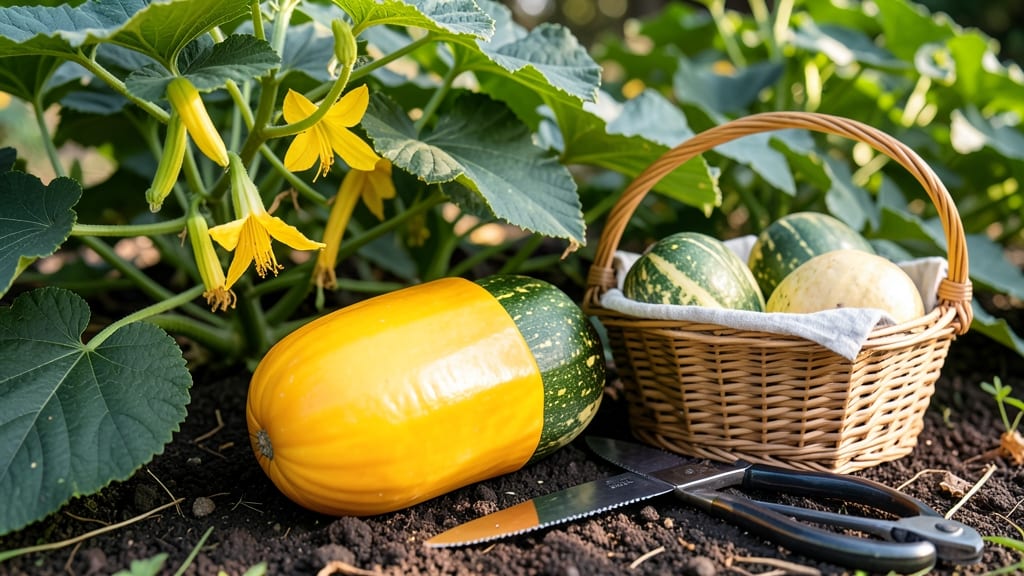
How to know when to pick yellow squash can turn a bland harvest into a flavor explosion—yet so many gardeners end up with tough, seedy 🎃 squash that’s past its prime. The secret isn’t just waiting until it’s yellow; it’s about the right texture, size, and even the time of day you harvest.
I’ve learned the hard way that picking too early means underdeveloped flavor, while waiting too long leads to bitter, fibrous squash. But with just three simple tests—size, skin firmness, and stem separation—you’ll never miss the perfect moment again.
These tricks work whether you’re a first-time gardener or a seasoned pro.
Morning is the best time to check your plants, when the squash is cool and crisp. A quick squeeze should tell you everything you need to know, and the color shift from pale to bright yellow is your final cue.
Let’s break down these foolproof methods so you can enjoy that sweet, tender squash at its peak.
Once you master these signs, you’ll also learn how to store your harvest to keep it fresh for weeks. No more wasted squash—just perfect, restaurant-quality veggies straight from your garden.


3 Key visual and touch tests to determine yellow squash ripeness
Yellow squash is at its peak when harvested at the right moment—too early, and it’s tough; too late, and it’s seedy. The secret lies in combining visual cues with tactile tests to catch that perfect window.
I’ve learned the hard way that squash doesn’t wait, so let’s break down the foolproof methods I now use every harvest season.
First, focus on the size of the squash. Ideal yellow squash should measure between 6 to 8 inches in length. This range ensures tenderness without the risk of bitterness or seed development.
Smaller squash (under 4 inches) will be underripe and fibrous, while larger ones (over 8 inches) often develop tough skin and seeds.
Next, examine the skin texture. A ripe yellow squash skin should feel slightly firm but yields slightly when gently pressed with your thumb. If the skin feels rock-hard or overly soft, it’s not ready. Think of it like testing a ripe avocado—just enough give to know it’s perfect.
Now, check the color. The skin should be a uniform bright yellow, with no green patches or dull spots. Green areas mean the squash wasn’t exposed to enough sunlight, while dull yellow can indicate overripeness.
The stem end should also turn a light brown—this is a classic sign of ripeness.
Here’s where the tactile test comes in: stem separation. Gently twist the squash near the stem. If the stem snaps cleanly (rather than tearing), it’s ready to pick. This trick works because the plant naturally detaches the squash when it’s at peak ripeness, making harvest effortless.
Don’t overlook the time of day for picking. Morning is ideal because squash absorbs moisture overnight, making it firmer and fresher. Avoid picking after rain or in the evening, as excess moisture can lead to rot or uneven ripening.
One pro tip I’ve picked up from fellow gardeners: harvest consistently. Yellow squash plants produce continuously, so checking them every 2-3 days ensures you never miss the window. If you see multiple squash on one vine, prioritize the largest ones first—they’ll mature faster.
Finally, trust your instincts. If a squash meets all the visual and tactile tests but you’re still unsure, go ahead and pick it. Underripe squash improves with cooking, while overripe squash can’t be saved. When in doubt, harvest early—you can always cook it down into soups or fritters!
Mastering these tests will transform your yellow squash harvest from hit-or-miss to consistently delicious. The more you practice, the easier it becomes to spot that perfect specimen in a blink.
3 Key visual and touch tests to determine yellow squash ripeness
Yellow squash ripens quickly, so timing your harvest is everything. The secret lies in combining size, skin texture, and stem cues—each tells a different part of the ripeness story. Master these tests, and you’ll enjoy squash that’s sweet, tender, and free of tough seeds every time.
Start with the 6-8 inch rule—this is your baseline for ideal harvest size. Squash smaller than 4 inches is simply too young, while anything over 9 inches risks becoming fibrous and seedy. Think of it like a goldilocks zone for perfect texture.
📏 6-8 inches long is prime time. Use a ruler or compare to a standard kitchen knife for quick reference.
🤏 Gently press your thumb against the skin—it should yield slightly but not dent deeply. Overripe squash feels soft or mushy.
✂️ The stem should snaps cleanly when bent. If it resists or tears, the squash needs more time.
🟡 Look for bright, even yellow. Patchy or dull colors signal uneven ripening or stress.
Morning is the best time to harvest because cool temperatures preserve sweetness and firmness. Avoid picking after a hot day—your squash will be wilted and less flavorful. Pro tip: Use a sharp knife or pruners to cut stems cleanly, leaving a 1-inch stub to encourage more production.
If you’re still unsure, check the seeds—a fully ripe yellow squash should have tiny, undeveloped seeds inside. Larger seeds mean you’ve missed the window. Remember, consistency is key: harvest every 2-3 days during peak season to keep plants producing.
Overripe squash isn’t just tough—it can turn bitter and woody, ruining dishes. But don’t panic if you pick one too late! Store it in the fridge for up to a week, and use it in soups or bread where texture matters less.
The goal? Harvest young, harvest often—that’s the secret to summer squash success.