
How To
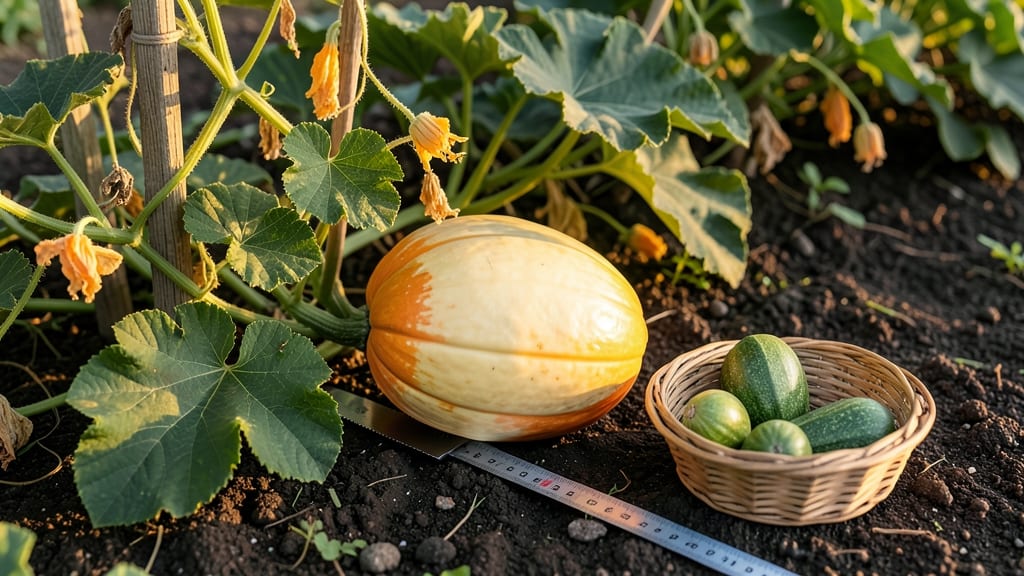
How to know when to pick acorn squash can turn a good harvest into a great one—or ruin it entirely. That perfect balance of sweetness and texture happens at just the right moment, and missing it means ending up with either bitter underripe squash or mealy overripe ones.
I’ve learned the hard way that timing matters more than you’d think. A simple touch test or color check can save you from disappointment, and I’ll show you exactly what to look for.
Whether you’re a seasoned gardener or just starting out, these 3 easy checks will help you nail the harvest every time.
From the way the skin feels to how the stem dries out, there are clear signs your acorn squash is ready to pick. We’ll also cover the best months to harvest in Zone 6a and how to store them properly once you’ve got them home.
Let’s make sure your squash is as delicious as it looks!
No more guessing—just confident harvesting. By the end, you’ll know exactly when to pull those squash from the vine for peak flavor and texture. Ready to learn the secrets?
3 Tactile tests to determine acorn squash ripeness
Nothing beats the satisfaction of harvesting your own acorn squash at its peak—when the flesh is sweet, the texture firm, and the flavor impossible to resist. But how do you know it’s ready? The secret lies in three simple tactile tests that go beyond just looking at the squash.
These hands-on checks will tell you exactly when to pick for that perfect balance of sweetness and texture.
First, let’s talk about the skin hardness. A ripe acorn squash should feel firm to the touch, almost like a hardball. If you press your thumbnail into the skin and it doesn’t leave a dent, that’s a great sign.
But if it gives slightly or feels soft, it’s not ready yet. This test is your first line of defense against underripe squash, which can be tough and bitter.
Next, check the stem condition. When acorn squash is fully ripe, the stem will start to dry out and turn brown. It should feel papery and brittle rather than green and flexible. If the stem is still vibrant green, your squash needs more time on the vine.
This is a critical clue because a dry stem often means the squash has reached its peak sugar content.
Finally, give the squash a gentle weight check. A ripe acorn squash feels surprisingly heavy for its size. Lift one up—if it feels dense and substantial, it’s likely ready to harvest.
This weight comes from the fully developed seeds and flesh inside, which means you’re getting a nutritious, flavorful squash.
These three tests work together to give you a clear picture of whether your acorn squash is ready. But what if you’re still unsure? Combine these tactile checks with visual cues, like the deepening color of the skin or the yellowing of leaves.
Together, they’ll help you avoid the common pitfalls of harvesting too early or too late.
Harvesting at the right time isn’t just about flavor—it’s also about storage potential. A properly ripe acorn squash can last for months in a cool, dark place, while an underripe or overripe one will spoil quickly.
So, take your time with these tests, and you’ll be rewarded with squash that’s perfect for roasting, baking, or even savoring raw in salads.
Pro tip: If you’re growing multiple squash, pick them one at a time to monitor ripeness. This way, you can enjoy a steady harvest of perfectly ripe acorn squash throughout the season.
And remember, the more you practice these tests, the easier it becomes to spot that ideal harvest moment.
Once you’ve mastered these tactile checks, you’ll never second-guess when to pick your acorn squash again. The next step? Learning how to store them properly so they stay fresh and delicious for as long as possible.
3 Tactile tests to determine acorn squash ripeness
Nothing beats the satisfaction of harvesting your own acorn squash at peak ripeness. The key lies in your hands—three simple tactile tests reveal when these winter squash are ready.
Start by gently pressing the skin near the stem; it should feel firm enough to resist slight pressure but not rock-hard. This rind hardness is your first clue that sugars are concentrating inside.
Next, examine the stem attachment. A ripe acorn squash will have a stem that's dried out and slightly shriveled, often turning brown or tan.
If you twist it gently, it should separate cleanly from the fruit—this indicates the plant has stopped nourishing the squash. Stem drying is nature's way of signaling harvest readiness.
Here's where things get interesting: pick up the squash and feel its weight-to-size ratio. A mature acorn squash feels surprisingly heavy for its dimensions, almost like it's filled with dense, sweet flesh rather than hollow space. This heavy feel correlates directly with maximum flavor development.
I've found these tactile tests work best in the late morning after the dew has dried. The skin temperature also gives clues—ripe squash feel slightly warmer to the touch than underripe ones. Pro tip: Use your thumbnail for the hardness test—it's the perfect pressure gauge for squash skin.
Remember, acorn squash ripen gradually over 2-3 weeks in fall. Check your plants every 3-4 days during this window to catch them at perfect ripeness. The earlier you harvest, the longer they'll store, so timing matters for both flavor and shelf life.
Once you master these tests, you'll never second-guess your harvest again. That first bite of perfectly ripe acorn squash—sweet, dense, and nutty—is worth every minute spent perfecting your technique. The secret's in your hands! 🌱