
How To
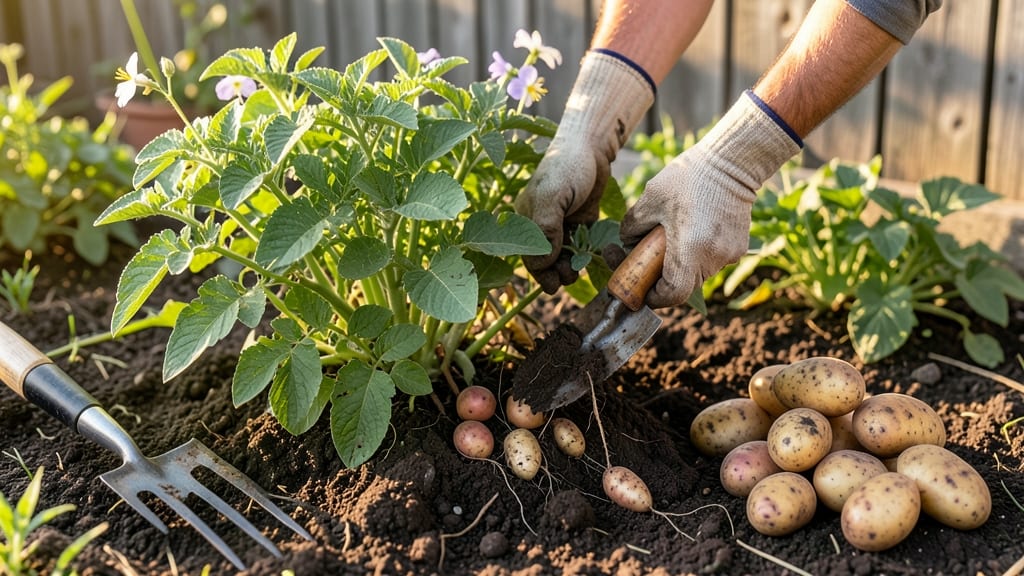
Knowing how to know when potatoes are ready to dig can mean the difference between a bountiful harvest and a disappointing one. That perfect moment arrives when your 🥔 plants show clear signs of maturity—but many gardeners miss them because they don’t recognize the subtle cues.
Whether you’re growing early varieties or storing potatoes for winter, timing is everything.
One of the most reliable ways to check is the finger test, where you gently press into the soil near the plant. If the tubers resist your thumbnail, they’re likely ready.
But don’t rely on just one method—watch for yellowing foliage, the plant’s natural decline, and tubers reaching a satisfying size. These visual and physical clues will help you avoid digging too soon or too late.
Different potato varieties mature at different rates, so knowing your type is key. Early harvesters like Yukon Golds may be ready in just 60-70 days, while late-season potatoes could need up to 120 days.
Even in Zone 6a, where frost can sneak up unexpectedly, these signs will guide you to the best harvest window.
Let’s break down the exact steps—from the finger test to adjusting for your climate—to ensure you pull your potatoes at their peak. No more guesswork, just a foolproof way to enjoy homegrown spuds at their best.


The finger test & 3 visual signs potatoes are ready to dig
Potatoes are ready to harvest when they’ve reached peak flavor and size—but how do you know exactly when? The finger test is my go-to method, combined with three key visual cues that guarantee success.
First, let’s tackle the finger test, a simple trick that reveals tuber maturity without digging up your entire crop.
Start by locating the stem end of the potato plant. Gently push your thumb and forefinger about 6 inches deep into the soil near the base of the plant. If you feel a potato the size of a golf ball or larger, it’s ready.
This test works best on mid-season varieties like Yukon Gold or Kennebec, but even early potatoes (like Red Pontiac) will feel firm and well-formed.
Here’s where many gardeners go wrong: yellowing leaves don’t always mean harvest time. Some varieties, like early blight-resistant types, turn yellow prematurely. Always cross-check with the finger test to avoid digging too soon.
-
1. Foliage Yellows & Dies Back
The plant’s leaves turn yellow-brown and wilt, signaling the plant is redirecting energy to the tubers. This is nature’s cue that the potatoes are maturing. -
2. Skin Resists Thumbnail Pressure
Press your thumbnail into the tuber’s skin. If it doesn’t dent easily, the potato is ready. Soft spots mean it needs more time. -
3. Tubers Are Golf Ball to Baseball Size
For storage potatoes, aim for 3-6 inches in diameter. New potatoes (harvested young) can be smaller but should still feel firm.
For container-grown potatoes, check these signs more frequently since space is limited. If tubers are crowding the pot, they’re likely ready—even if the foliage hasn’t fully yellowed. Remember, early varieties (like ‘Early Girl’) mature in 60-70 days, while late varieties (like ‘Russet’) take 100+ days.
One trick I swear by? Gently brush away soil from the top of the plant’s stem. If you spot new potato shoots forming, it’s a sure sign the tubers below are fully developed. This is especially useful for heirloom varieties, which can be tricky to time.
Now, let’s talk about soil conditions. The ground should be warm and dry when you harvest—ideally 70°F or above. Cold, wet soil can damage tubers and encourage rot.
If your region is prone to early frosts, harvest before the first chill hits, even if the potatoes aren’t perfectly sized.
Finally, avoid the green potato trap. If tubers are exposed to sunlight after harvest, they’ll turn green and develop solanine, a toxin harmful to eat. Always harvest in shady conditions or cover potatoes with soil or mulch until you’re ready to dig.
Ready to dig? Grab a fork and gently loosen the soil around the plant’s base. Lift carefully—never pull by the stems—to avoid breaking the tubers. Cure them in a dark, dry place for a week to toughen the skin and improve flavor.
The finger test & 3 visual signs potatoes are ready to dig
Potatoes are ready to harvest when they’ve reached optimal size and maturity, but many gardeners struggle to pinpoint the exact moment. The finger test is the gold standard for checking tuber readiness, but visual cues like leaf color and plant height also provide clear signals.
Here’s how to combine these methods for foolproof results.
Start by observing the foliage—healthy potato plants will begin showing signs of senescence (natural aging) when ready. The leaves will turn yellow or brown and start to wilt or die back, especially near the base.
This happens 2-3 weeks before harvest for most varieties, so don’t wait until the plant is completely dead.
- 1. Finger Test: Gently push your finger 6 inches deep into the soil near the plant stem. If you feel firm tubers the size of golf balls or larger, they’re ready. Smaller tubers mean wait 1-2 weeks.
- 2. Leaf Color: Look for 50-70% yellowing of the foliage. If leaves are still mostly green, tubers need more time to develop.
- 3. Flowering Stage: Most varieties will bloom 2-3 weeks before harvest. Once flowers fade, tubers are nearing maturity.
- 4. Tuber Size: Aim for golf ball to baseball-sized potatoes (1.5–3 inches in diameter). New potatoes can be harvested smaller, but storage varieties need full size.
For container-grown potatoes, the finger test works the same, but check every 5-7 days due to limited soil volume.
If tubers fill the pot’s sides, they’re ready—just be gentle when digging to avoid bruising. Early blight (brown spots on leaves) can mimic maturity signs, so confirm with the finger test before harvesting.
Timing matters for storage vs. fresh eating. For new potatoes, harvest when tubers are 1–2 inches wide (as early as 4-6 weeks for fast varieties like ‘Yukon Gold’). For long-term storage, wait until full maturity (10–12 weeks) when skins toughen and tubers resist pressure.
Pro tip: Dig a few test potatoes 1-2 weeks before your expected harvest date. If they’re small or underdeveloped, give them more time. Over-mature potatoes split easily and spoil faster, so act when you see these 3 key signs working together.
Once you’ve confirmed readiness, use a fork or hands to gently loosen soil and lift tubers. Cure them in a dark, humid place (55–60°F) for 1–2 weeks to toughen skins and improve storage life. 🥔