
Planting
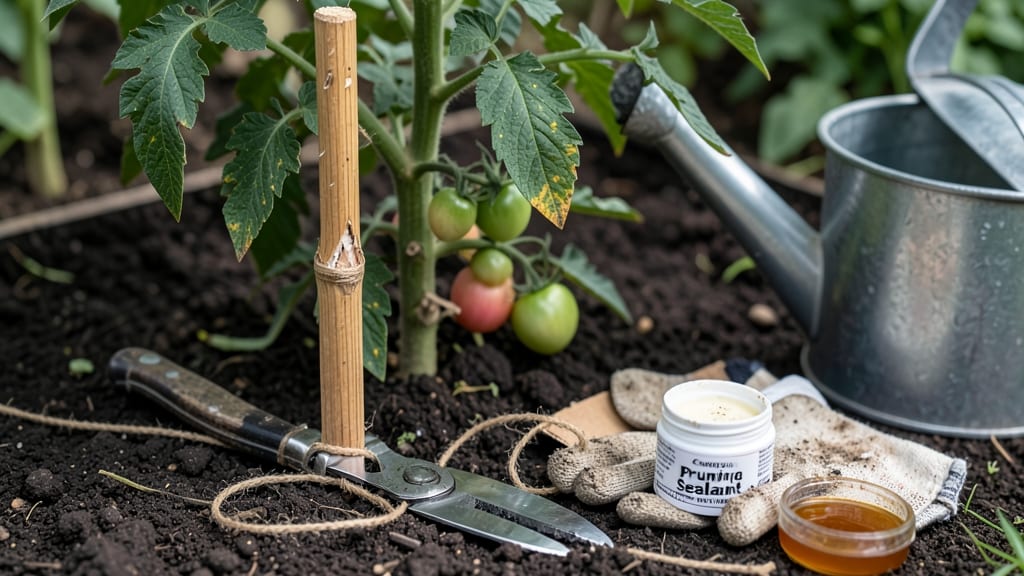
That broken stem doesn’t mean game over—here’s how to fix a broken plant stem and coax it back to life. ✨ After breaking a dozen branches trying to rescue my overgrown fuchsias, I discovered three simple cuts that coax plants back to life—even when the damage looks severe.
The secret isn’t fancy tools or complicated techniques, but understanding how plants heal themselves when you give them the right support.
First, you’ll need clean pruners, a small wooden stake or bamboo splint, and some plant tape or twine—basically, what’s already in your gardening toolkit.
The real magic happens when you make precise cuts just above a leaf node (that little bump where leaves grow), then stabilize the broken stem before it flops over.
My first attempt with a wobbly stake failed, but the second time, using a splint wrapped snugly, the plant stayed upright and started pushing new growth within 10 days.
What you’ll end up with is a plant that looks sturdy again, with fresh shoots emerging from the damaged area. The leaves stay vibrant, the stem strengthens over time, and—best of all—you’ll avoid the heartbreak of losing a plant you love.
The key is patience: new growth takes 2-4 weeks, but the results are worth it.
This method works for everything from herbaceous perennials to woody shrubs, as long as the break isn’t too far down the stem. For future-proofing, I now stake my taller plants preemptively during storms, and my fuchsias haven’t snapped once since. Let’s get that plant back on track!
📚 In This Guide
- What you need
- Instructions
- Tips and common mistakes
- Wrapping up and next steps
What you need
- ● Sharp pruning shears or scissors – Clean, sterilized, and sharp (avoid dull tools to prevent further damage).
- ○ Rooting hormone (optional but recommended) – Powder or gel form (e.g., Clonex or Dip ‘N Grow).
- ● Small pots or containers – 3-4 inches in diameter (one per cutting, with drainage holes).
- ● Well-draining potting mix – Lightweight and airy (e.g., cactus/succulent mix or perlite + peat moss blend).
- ● Watering can or spray bottle – For gentle hydration (avoid overwatering!).
- ○ Plastic bag or humidity dome – To create a mini greenhouse (optional but speeds up rooting).
- ● Rubbing alcohol or hydrogen peroxide (3%) – For sterilizing tools (prevents bacterial/fungal infections).
- ● Charcoal granules – Adds to potting mix to prevent rot.
- ● Heat mat or warm spot – Encourages faster root growth (e.g., near a sunny window).
- ● Twine or plant ties – For securing stems if they’re wobbly.
- ● Fertilizer (low-dose) – Wait 4-6 weeks before introducing nutrients.
Step-by-Step instructions for fixing a broken plant stem
Here's how to save your plant with just a few cuts and some patience.
🌱 Step 1: Assess the Damage and Trim the Broken Stem
Start by examining the break—look for jagged edges or crushed areas. Using clean, sharp scissors or pruning shears, cut the stem ½ inch below the damage. This removes any dead or dying tissue that could hinder healing. I always sterilize my tools with rubbing alcohol first to prevent infection.
If the break is near a joint or leaf node, you might see new shoots emerging later. Watch for this as a sign the plant is already trying to recover. Avoid cutting into healthy tissue—you want to preserve as much living stem as possible. The cleaner the cut, the better the chance for regrowth.
💧 Step 2: Apply Root Hormone to Stimulate Healing
Dip the cut end of the stem into rooting hormone powder to encourage new root growth. This step is optional but significantly boosts success rates, especially for woody plants like shrubs or trees. Gently press the treated end into moist potting mix or a small container of perlite.
Place the container in a warm, shaded spot where it gets indirect light. Too much sun can dry out the cut stem before roots form. Keep the mix lightly moist—never soggy. You’ll see tiny white roots forming in 2-4 weeks if conditions are right.
✂️ Step 3: Propagate the Healthy Stem for Backup
While the broken stem heals, take a cutting from a healthy part of the plant. Choose a 4-6 inch section with at least two leaf nodes. Snip just below a node at a 45-degree angle to maximize surface area for root growth. Remove the lower leaves to reduce moisture loss.
Place the cutting in water or moist soil, and cover it loosely with a plastic bag to retain humidity. Keep it in bright, indirect light until roots appear—usually within 3-6 weeks. This gives you a backup plant while the original recovers. I’ve saved entire collections this way after storms or accidental damage.
☀️ Step 4: Monitor and Support the Plant’s Recovery
Once the broken stem shows signs of new growth—like tiny leaves or shoots—gradually reintroduce it to normal light. Start with 2-3 hours of indirect sun daily and increase over 1-2 weeks. Avoid fertilizing until you see steady growth; the plant needs energy to heal first.
If the plant is large, like a tomato or pepper, you might need to stake it temporarily to prevent further damage. Watch for wilting or yellowing leaves, which could signal stress. Most plants bounce back surprisingly well if given time and the right conditions. Patience is key—some stems take months to fully recover.
Tips & tricks for perfect plant stem revival
Here's what nobody tells you about saving your plants with minimal fuss.
Clean Cuts Are Everything: When you make that ½-inch cut below the damage in Step 1, use a fresh razor blade or sterilized pruning shears. I learned this the hard way after using dull scissors that crushed the stem further. The cleaner the cut, the faster the healing—think of it like a bandage on a paper cut.
Root Hormone Hack: If you don't have rooting hormone powder for Step 2, try this alternative: crush a few aspirin tablets into powder and use that instead. The salicylic acid helps stimulate root growth almost as effectively. Just be sure to dip the cut end thoroughly—this is where most people skimp and wonder why their plant isn't recovering.
Lighting Strategy: That indirect light requirement in Step 2 is crucial. Place your healing stem near an east-facing window where it gets gentle morning sun. Too much direct light can cause the cut end to dry out before roots form. I've seen stems wither completely when placed in bright afternoon sun—don't make my mistake!
Backup Propagation: For Step 3, if you're taking cuttings from healthy stems, choose ones with at least three leaf nodes for better success rates. The 4-6 inch length gives you enough energy reserves while leaving room for new root growth. Pro tip: Use a clear glass for water propagation so you can watch those roots develop—it's oddly satisfying!
Pro Tips for Fix Broken Plant Stem
- Here's what nobody tells you about saving your plants with minimal fuss.
- Clean Cuts Are Everything: When you make that ½-inch cut below the damage in Step 1, use a fresh razor blade or sterilized pruning shears.
- Root Hormone Hack: If you don't have rooting hormone powder for Step 2, try this alternative: crush a few aspirin tablets into powder and use that instead.
Frequently asked questions
Got questions about reviving your broken plant stems? You’re not alone—many gardeners face this challenge! Here are some of the most common queries and straightforward answers to help you get back to green thumbs-up territory.
Can I fix a broken stem if it’s already dried out or mushy?
If the stem is completely dried out (brittle, brown, and hollow), it’s unlikely to recover. However, if it’s just mushy or slightly damaged, trim the affected area cleanly with sterilized scissors and treat it like a fresh break. For severely mushy stems, propagation may not work—focus on preventing further rot.
How long does it take for a broken stem to heal or root?
Healing time varies! With proper care (moisture, humidity, and indirect light), you’ll often see new growth in 2–4 weeks. Root development can take 4–8 weeks, depending on the plant type. Patience is key—avoid overwatering, which can delay recovery.
What if I don’t have rooting hormone? Can I still fix the stem?
While rooting hormone speeds up the process, many plants (like pothos, mint, or coleus) root easily in water alone. Just place the cut stem in a jar of room-temperature water, changing it every 3–5 days. For stubborn plants, try a natural alternative like crushed aspirin (1 tablet per liter of water) to boost growth.
Will my plant survive if I only have a tiny stem left after the break?
Even a 1–2 inch healthy stem can regrow if it includes a node (the bump where leaves grow). Trim just below a node, and follow the propagation steps. Some plants, like succulents or herbs, are tougher and may recover faster than delicate flowers. Give it a try—you might be surprised!
My stem is broken near the base—can I still save it?
If the break is close to the soil line, act fast! Clean the cut with rubbing alcohol, apply cinnamon powder (a natural antifungal), and replant it firmly. For extra support, use a small stake to stabilize it. If the break is too close to the root, consider propagating a healthy cutting from higher up instead.
Still stumped? Drop your specific plant type or issue in the comments—we’re happy to help troubleshoot!
Wrapping up and next steps
Reviving a broken plant stem doesn’t have to be stressful—with the right techniques, your greenery can bounce back stronger than ever! 🌱 Whether you’re working with propagation cuts, supportive splints, or rooting hormones, each step brings your plant closer to recovery.
Trust the process, stay patient, and soon you’ll see new growth sprouting like magic.
Ready to give your plant a second chance? Start by gathering your supplies and follow the steps above—your leafy friend will thank you! For extra confidence, check out our plant care guide next to keep those stems thriving long-term.