
How To
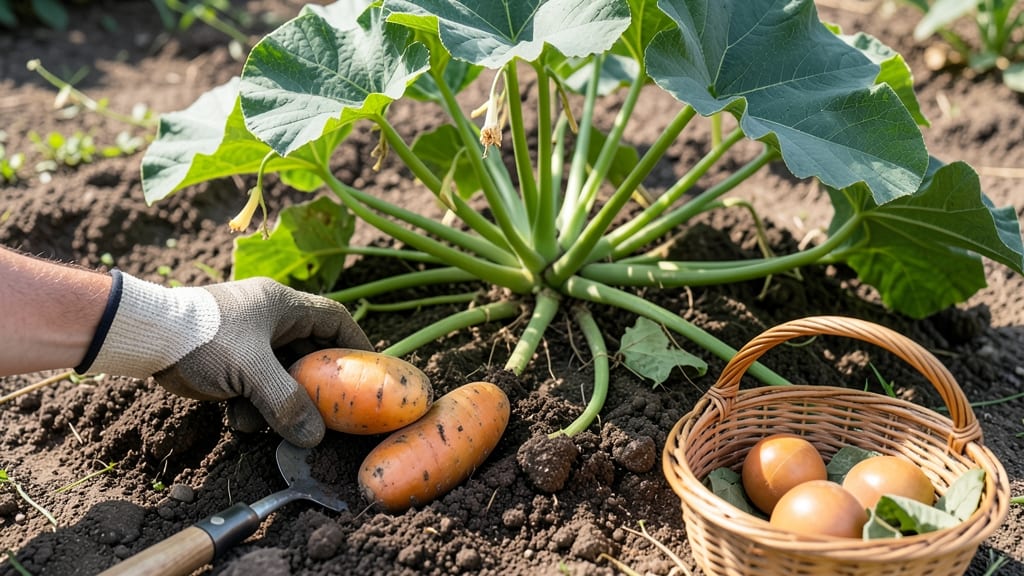
4 Visual and physical signs your sweet potatoes are ready to harvest
Sweet potatoes don’t announce their readiness with a loud bell—they signal it through subtle visual cues and physical changes. Missing these signs often means harvesting tubers that are either underdeveloped or overripe, both of which ruin flavor.
The key is learning to read your plants like a pro gardener, using leaf color, vine condition, and tuber firmness as your guide.
First, pay attention to the foliage. When your sweet potato vines start yellowing and drying out from the edges inward, it’s nature’s way of saying, “Time to harvest soon.”
This process, called senescence, typically begins 4-6 weeks before peak harvest time. Ignoring this sign risks letting the tubers shrink or develop woody textures.
Next, check the stem ends of the vines. When they turn brown and dry up, it’s a clear indicator that the plant is redirecting energy to the underground tubers. This shift ensures your sweet potatoes are fully mature and packed with natural sugars.
Pro tip: If you see green stem ends, your tubers aren’t ready yet—wait 2-3 more weeks.
-
1. Yellowing Vines
Vines turn yellow-brown and dry out from the tips inward. -
2. Brown Stem Ends
Stems shrink and turn brown at the base. -
3. Firm Skin
Tubers resist pressure when gently squeezed (no deep bruising). -
4. Frost Sensitivity
If light frost hits, harvest immediately—tubers won’t sweeten further.
Don’t overlook the skin texture of the tubers. Ready-to-harvest sweet potatoes have thick, tough skin that won’t bruise when pressed. To test, gently squeeze a tuber through the soil.
If it feels firm and resists indentation, it’s prime. Soft or easily bruised skin means more time in the ground—but not too much, or you’ll lose sweetness.
For gardeners in warmer climates, timing is critical. If your region has longer growing seasons (like USDA Zones 8-10), sweet potatoes can stay in the ground up to 150 days.
However, if first frost looms (typically October-November in cooler zones), harvest 2-3 weeks before the expected frost date. Tubers won’t sweeten after frost, and cold soil can damage roots.
One often-missed trick is the soil test. Partially dig around the base of the plant to expose 1-2 tubers. If they’re 3-4 inches in diameter and the skin is hardened, it’s harvest time.
This method lets you check progress without uprooting the entire plant, giving you a non-destructive preview of what’s underground.
Regional differences matter too. In southern states, sweet potatoes often reach harvest readiness by late September, while northern gardeners may need to wait until October or early November.
Always align your harvest with your local frost dates—a quick check of the USDA Plant Hardiness Zone Map can save your crop from frost damage.
Finally, trust your instincts. If your sweet potatoes meet 3 out of 4 of the signs above, they’re likely ready. The earlier you harvest after these cues appear, the sweeter and more tender your tubers will be.
Waiting too long? You’ll end up with woody, less flavorful potatoes—definitely not the harvest you’re dreaming of.
Now that you’ve mastered the visual and tactile clues, your next step is testing sweetness before digging. Stay tuned for 3 foolproof methods to confirm peak ripeness—because even the best gardeners double-check before the big harvest!
4 Visual and physical signs your sweet potatoes are ready to harvest
Sweet potatoes reach their peak flavor when harvested at the right moment—too early, and they’re small and starchy; too late, and they lose sweetness. Look for these 4 key signs to know when your tubers are ready to pull from the soil.
The first clue? Leaf color changes—healthy green foliage starts turning yellow or orange, signaling the plant is redirecting energy to the roots.
Next, check the vine condition. When about 50-70% of the vines have died back or turned brown, it’s time to harvest. This dieback happens naturally as the plant matures, but don’t wait until the entire vine is dead—this can lead to shriveled, less flavorful tubers.
Instead, act when the majority of leaves have browned.
Now, test the skin toughness. Gently press a tuber through the soil—if the skin resists pressure and doesn’t bruise easily, it’s ready. Firm skin means the sweet potato has developed its natural protective layer, while soft or easily damaged skin indicates it needs more time.
This is one of the most reliable physical signs of readiness.
Finally, consider your climate and timing. In warmer regions, sweet potatoes may mature earlier (around 90 days), while cooler climates might need 120-150 days. If frost is on the horizon, harvest before the first frost, even if the vines aren’t fully yellowed.
Tubers left in cold soil lose sweetness and can spoil.
For extra assurance, dig up one tuber to test for size and flavor. If it’s 6-8 inches long and tastes sweet, your harvest is ready. If not, wait another 1-2 weeks and check again. This hands-on approach ensures you never miss peak sweetness.
Remember, sweet potatoes don’t ripen after harvest, so timing is everything. Once you’ve confirmed these signs, it’s time to gently dig them up and cure them properly for the best flavor. Happy harvesting! 🍠