
How To
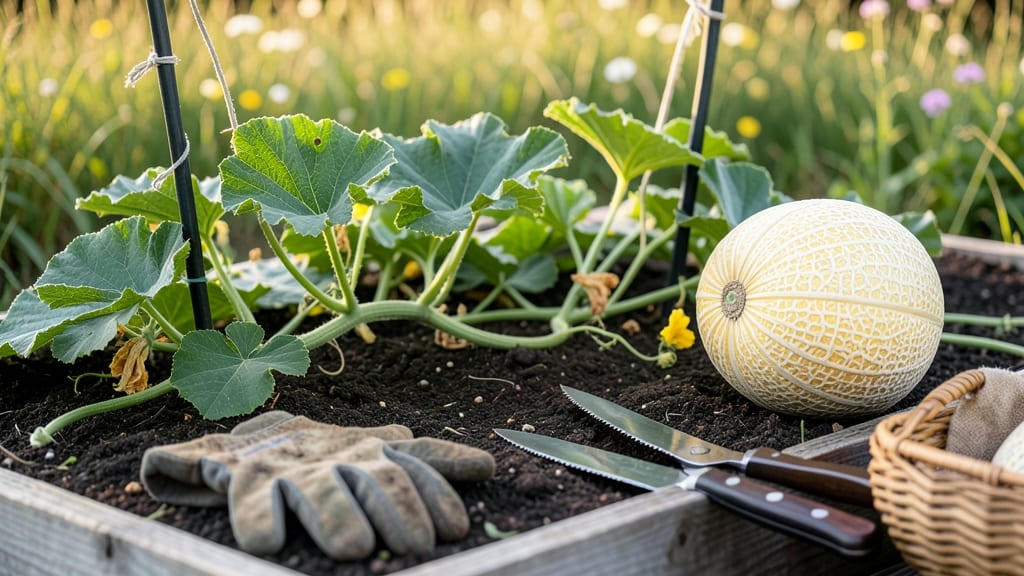
How to know if cantaloupe is ready to pick can mean the difference between a sweet, juicy reward and a mealy disappointment—so don’t guess, learn the 3 foolproof signs that scream "harvest time!"
Most gardeners wait too long, missing the peak sweetness window between July and August in zone 6a. The secret lies in what you see, feel, and even smell—not just the days since planting.
I’ll show you how to check the stem, rind, and blossom end like a pro, so you never second-guess your harvest again.
Imagine twisting that vine and watching the fruit slip free with just a gentle tug—that’s your first clue. But there’s more: the creamy tan color near the stem, the way the skin yields slightly under your thumb, and that unmistakable sweet aroma.
These aren’t just tricks; they’re science-backed cues that guarantee flavor.
Ready to turn your cantaloupe patch into a sweetness goldmine? Let’s break down the exact moments to pick, plus what to watch out for so you never waste another vine-ripe melon.


3 Visual signs your cantaloupe is perfectly ripe for picking
Nothing beats the taste of a cantaloupe picked at peak ripeness—juicy, sweet, and bursting with flavor. But how do you know when your cantaloupe is ready? Start with these 3 visual cues that guarantee a perfect harvest.
The first clue lies in the stem separation, where the fruit meets the vine. When ripe, the stem should slip free with gentle pressure—no resistance means it’s ready to pick. This happens because the fruit’s natural sugars trigger enzymes that weaken the stem’s attachment.
Next, examine the blossom end (the opposite side of the stem). A ripe cantaloupe will show a creamy yellow or orange hue near this area, while unripe fruit stays white or pale green. This color shift signals the fruit’s sugars have fully developed.
Pro tip: Avoid picking based on size alone—some varieties mature differently, and a smaller but ripe cantaloupe can be sweeter than a larger underripe one.
Finally, check the rind texture and color. A perfectly ripe cantaloupe’s skin should feel slightly smooth yet yielding when pressed with your thumbnail—like a ripe avocado. The rind also transitions from dull green to a matte tan or creamy beige, especially near the stem.
If the skin feels hard or looks waxy, it’s not ready yet.
Why do these visual cues matter? The stem separation prevents bruising, while the blossom end color and rind texture correlate directly with sugar content. Overlooking these signs can lead to fruit that’s either underripe (hard and bland) or overripe (grainy and mushy).
For example, my ‘Athena’ cantaloupe last summer fooled me—it looked ripe by size but failed the stem test, resulting in a mealy texture.
Timing is everything, especially during peak harvest months (July–August). Early-morning picking is ideal because the fruit’s natural sugars concentrate overnight, enhancing sweetness. If you’re growing cantaloupe in containers or cooler climates, these visual cues become even more critical since environmental factors can delay ripening.
For variety-specific tips, ‘Hale’s Best’ cantaloupes often show a net-like pattern on the rind when ripe, while ‘Ambrosia’ types develop a softer, smoother skin. Always compare multiple fruits on the vine—some may ripen faster than others.
Pro growers like me use a small notepad to track which plants produce the earliest harvests!
Remember: Never pick cantaloupe based on days after planting—environmental factors like temperature and sunlight vary wildly. Instead, trust your eyes and fingers. The perfect cantaloupe isn’t just ripe; it’s a sensory masterpiece waiting to be enjoyed.
🌱
3 Visual signs your cantaloupe is perfectly ripe for picking
Cantaloupe ripeness isn’t just about size—it’s about color shifts, vine behavior, and texture changes that scream "harvest time!" These three visual cues will help you avoid the bland, underripe or overripe, mushy mistakes that ruin your harvest.
Let’s break down what to look for when inspecting your cantaloupe vine.
First, focus on the stem end. A ripe cantaloupe will show a creamy tan or yellow hue where it connects to the vine. This is your first clue that the fruit has reached peak sweetness.
The blossom end (the opposite side) should also soften slightly, turning from white to a pale yellow. If these areas still look green or hard, your cantaloupe needs more time on the vine.
Don’t ignore the vine’s behavior—this is a game-changer. A ripe cantaloupe will often detach easily when you give it a gentle tug. If it resists or the stem snaps instead of slipping, it’s not ready.
Pro tip: Harvest in the morning when temperatures are cooler. This preserves the fruit’s sweetness and texture for transport or storage.
One common mistake is assuming size equals ripeness. A cantaloupe can be large but still hard and tasteless inside. Always prioritize the color, texture, and stem slip over size. For example, a 6-inch cantaloupe with a creamy rind will taste sweeter than a 10-inch one that’s still greenish.
Finally, pay attention to the background color of the rind. A ripe cantaloupe should have net-like patterns that fade into the creamy tan. If the netting is still dark or the rind looks waxy, it’s not ready.
These visual cues work together to ensure you’re picking cantaloupe at its peak flavor and storage potential.
Once you’ve confirmed these three signs, it’s time to harvest! Use a sharp knife or your hands to twist the fruit free from the vine. Handle it gently to avoid bruising—your sweet, juicy reward is just a few steps away.