
How To
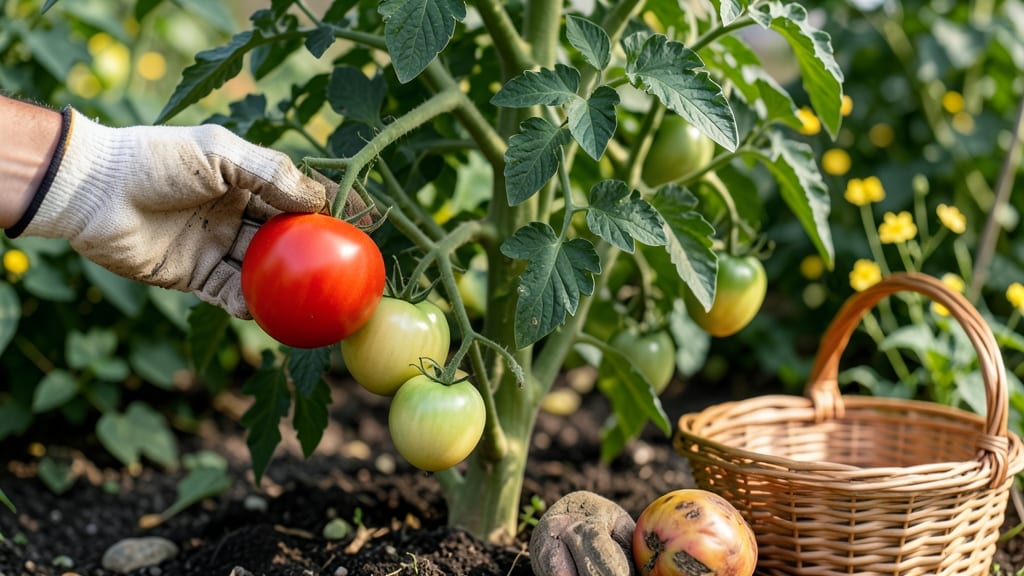
How to know if a tomato is ready to pick can make all the difference between a vibrant, flavorful harvest and a disappointing, mealy mess. That perfect moment when a 🍅 shifts from green to ripe isn’t always obvious—especially when varieties range from deep reds to golden yellows.
I’ve learned the hard way that waiting too long risks cracked skins or bird snacks, while harvesting too early leaves you with underripe tomatoes that just won’t sweeten up.
The good news? There’s a simple science to it—color cues, the gentle squeeze test, and even how the stem behaves. Master these, and you’ll never second-guess your harvest again.
Whether you’re growing heirlooms in Zone 6a or cherry varieties in containers, these tricks work year after year. We’ll cover the visual signals, the right way to test firmness, and what to watch for if your tomatoes ripen slower than expected.
By the end, you’ll know precisely when to pluck that 🍅 for peak flavor—and how to handle the ones that need a little extra time.
Ready to turn your tomato game into a harvest every gardener envies? Let’s break down the foolproof way to tell when your tomatoes are truly ready—no guesswork required.


Tomato ripeness tests: color, squeeze, and stem signals explained
Determining the perfect moment to pick tomatoes can feel like solving a puzzle, but mastering these three foolproof tests will transform your harvest. The color shift, gentle squeeze, and stem separation work together to reveal ripeness—no guesswork required.
I’ve tested these methods on everything from heirloom beefsteaks to cherry tomatoes, and they never fail.
Start with the color test, which is your first clue. Most gardeners associate ripe tomatoes with deep red hues, but varieties like Brandywine or Yellow Pear ripen to golden or pink shades.
The stem end (calyx) also darkens—this is your secret signal that sugars are peaking. Don’t overlook this detail, as it’s often the difference between a flavorful tomato and one that’s still developing.
| Ripeness Test | What to Look For | Varietal Notes |
|---|---|---|
| Color Shift | Deep, even hue (red, yellow, purple, etc.); calyx darkens | Heirlooms may take longer; hybrids ripen faster |
| Gentle Squeeze | Yields slightly but doesn’t dent; firm yet soft | Cherry tomatoes stay firmer; beefsteaks soften more |
| Stem Separation | Pulls away cleanly with slight twist; stem snaps easily | Indeterminate vines ripen unevenly; determinate clusters ripen together |
The squeeze test is where many gardeners trip up. A ripe tomato should yield slightly under gentle pressure—think of a ripe peach, not a hard apple. Press your thumb into the tomato; if it leaves a faint indentation that bounces back, it’s ready.
But if it feels rock-hard or mushy, it’s not there yet. This test is especially critical for cherry tomatoes, which can split if left too long on the vine.
Next, focus on the stem separation test, a trick I learned from my grandfather’s garden. Gently grasp the tomato and give it a quarter-turn twist. If it separates cleanly from the vine with just a little resistance, it’s prime for picking.
If the stem tears or the tomato stays attached, it’s not ripe enough. This method works best in the morning, when tomatoes are cool and firmest—avoid testing after a hot day, as heat can trick you into thinking they’re riper than they are.
Varieties like Roma or San Marzano often ripen unevenly, so I recommend checking individual tomatoes rather than relying on cluster ripeness. For green tomatoes that never fully ripen on the vine, harvest them when they reach pencil size and turn yellow at the stem end.
These can be ripened indoors with a paper bag trick (place them in a bag with a banana or apple for 3–5 days).
Watch for environmental red flags that can skew ripeness. Tomatoes grown in hotter-than-90°F weather often ripen unevenly, developing blossom-end rot or splitting. In these cases, harvest slightly earlier and let them finish ripening indoors.
Conversely, cool nights below 55°F slow ripening, so don’t rush to pick—wait for that calyx darkening even if the weather is chilly.
Pro tip: Use a tomato harvester (a small pruning shear) to avoid damaging the vine. This tool lets you snip the stem cleanly, reducing the risk of disease entering the plant.
I keep one clipped to my gardening apron for quick harvests, especially when dealing with indeterminate varieties that produce continuously. Always harvest in the morning to preserve flavor and firmness—this is when tomatoes are at their peak.
One common mistake is assuming all tomatoes ripen the same way. Heirloom varieties like Black Krim or Cherokee Purple often take 10–14 days longer to ripen than hybrids.
Keep a harvest journal to track ripening times for your specific varieties, noting factors like sun exposure, watering patterns, and temperature fluctuations. Over time, you’ll predict ripeness like a pro.
Finally, trust your senses. A ripe tomato should smell sweetly fruity near the stem—this is your final confirmation. If it smells neutral or grassy, it’s not ready. Combine all three tests—color, squeeze, and stem separation
Your taste buds (and your dinner plate) will thank you.
Tomato ripeness tests: color, squeeze, and stem signals explained
Determining when a tomato is truly ripe can feel like guessing—but these three foolproof tests will change everything. First, let’s talk color, which varies wildly by variety.
A classic red tomato should deepen to a rich, even hue, while heirlooms like Brandywine turn deep pink or burgundy. Yellow varieties like Lemon Boy develop a golden glow, and green tomatoes (like Green Zebra) stay firm but soften slightly.
Next, the squeeze test reveals hidden ripeness. Gently press a tomato—if it yields slightly (like a ripe peach) but doesn’t feel mushy, it’s ready. Overripe tomatoes squish easily and may leak juice. Firmness is key: underripe tomatoes feel rock-hard, while ripe ones resist pressure but give just a little.
Here’s where most gardeners miss the mark: the stem test. A ripe tomato’s stem (or calyx) will yellow or darken and pull away cleanly from the vine with a slight twist. If the stem snaps off cleanly, it’s perfect. If it resists or tears, wait a few days.
| Ripeness Test | What to Look For | What to Avoid |
|---|---|---|
| Color | Deep, variety-specific hue (red, yellow, pink) | Pale, uneven, or green patches |
| Squeeze Test | Slight give (like a ripe peach) | Rock-hard or mushy texture |
| Stem Test | Stem pulls away cleanly with slight twist | Stem tears or resists (not ready) |
Pro tip: Morning harvests yield the best flavor because tomatoes are cool and firm. Avoid picking in the heat of the day—this can stress the plant and reduce shelf life. If you’re growing cherry tomatoes, they’re ready when they’re full-sized for their variety and slightly soft to the touch.
One common mistake? Assuming all tomatoes ripen the same way. Heirlooms often take longer to color up than hybrids, and some varieties (like Black Krim) ripen internally before turning dark. Cut one open if you’re unsure—ripe flesh should be juicy and vibrant, not pale or mealy.
Now that you’ve mastered the tests, here’s a bonus: green tomatoes can still ripen indoors! Place them in a paper bag with a banana or apple (ethylene gas speeds ripening) and check them daily. Within a week, you’ll have perfectly ripe tomatoes—no guesswork needed.