
Blooming
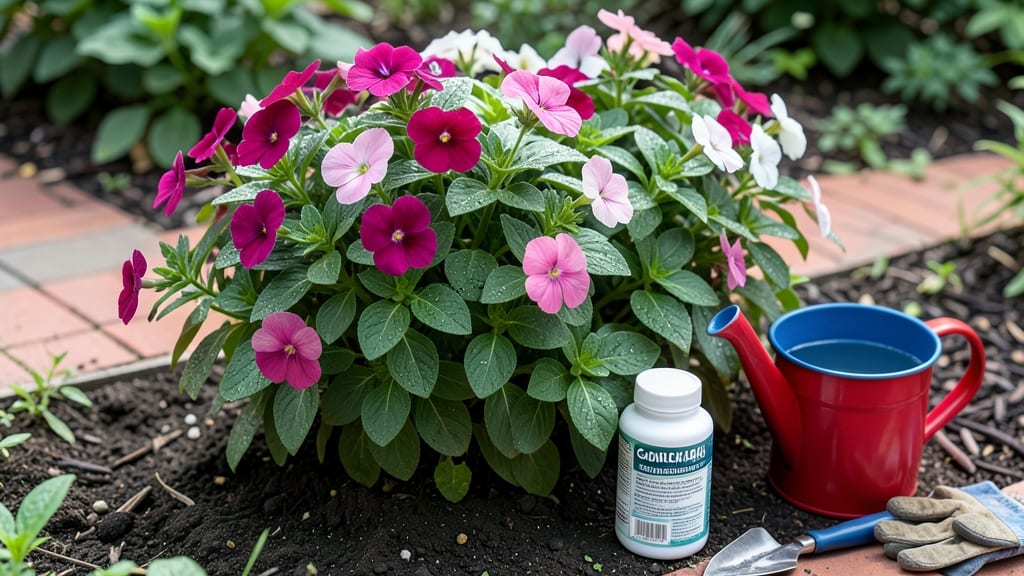
How to keep impatiens blooming daily turns your shady spots into nonstop color factories—no more sad, leggy plants with just a few blooms. 🌿 I’ve watched my impatiens go from sparse blooms to overflowing baskets simply by snipping spent flowers, and it’s the one trick that makes the biggest difference. The secret isn’t complicated: light, water, and a little pruning work together to keep them happy. Too much shade? They’ll flop. Too much water? Roots drown. But get it right, and you’ll have blooms from June until frost—even in hot summers. The key is consistency, not perfection. Start by deadheading every morning (yes, really). Pinch off wilted blooms at the base, and you’ll trigger new flowers within weeks. Add a balanced fertilizer every 4-6 weeks, and your impatiens will reward you with vibrant, bushy growth that lasts all season. Works for hanging baskets, window boxes, or garden beds—just adjust watering based on your setup. Here’s how to make it foolproof!
📚 In This Guide
- What you need
- Instructions
- Tips and common mistakes
- Wrapping up and next steps
What you need
- ● Impatiens plants: Choose healthy, disease-resistant varieties (e.g., Impatiens walleriana or Impatiens hawkeri). Start with 3–6 plants per container (or 1 plant per 12–18" spacing in garden beds).
- ● Garden shears or clean scissors: Sharp, sterilized tools (rubbing alcohol wipe between cuts) to avoid spreading disease. A pair of bypass pruners works best for thicker stems.
- ● Balanced liquid fertilizer: Use a 10-10-10 or 20-20-20 NPK ratio (diluted to ½ strength) every 2–4 weeks during the growing season.
- ● Watering can or hose with a gentle spray nozzle: Impatiens prefer consistent moisture—aim for 1 inch of water per week (more in extreme heat).
- ○ Mulch (optional but recommended): 2–3 inches of organic mulch (e.g., shredded bark or straw) to retain moisture and regulate soil temperature.
- ● Slow-release fertilizer granules: Mix 1–2 tbsp per plant into the soil at planting time for a low-maintenance nutrient boost.
- ● Epsom salt (magnesium sulfate): 1 tbsp dissolved in 1 gallon of water every 6–8 weeks to prevent yellowing leaves.
- ● Compost or worm castings: Work 1–2 cups per square foot into the soil at the start of the season for long-term soil health.
- ● Shade cloth (30–50% coverage): Use in hot climates (Zone 8+) to protect plants from scorching.
- ● Gloves: Protect your hands from soil-borne pathogens or prickly stems.
Step-by-Step instructions for keeping impatiens blooming
Here’s the simple routine I’ve used to keep my impatiens flowering like crazy all season long.
🌿 Step 1: Deadhead Daily to Encourage New Blooms
Impatiens produce flowers so prolifically that they’ll stop blooming if left unchecked. Grab a pair of clean, sharp scissors and snip off spent blooms at the base of the flower stem—just above the next set of leaves. This prevents seed formation and redirects the plant’s energy into producing fresh blooms.
I do this first thing in the morning, before the sun gets too hot. You’ll notice new buds forming within a week if you’re consistent. The key is to remove every faded bloom—even the ones hiding behind leaves. I like to do a quick scan of the whole plant, working from top to bottom, so I don’t miss any.
✂️ Step 2: Prune Leggy Growth for Bushier Plants
When impatiens get leggy, they focus energy on stretching instead of blooming. Pinch back the tips of long stems right above a set of leaves to encourage branching. This is especially important after heavy rain or if your plants get too much shade.
Use your fingers or clean pruners to make the cut at a 45-degree angle. You’ll see new side shoots forming within a few weeks—these will produce more flowers. I prune mine every 3-4 weeks during the growing season, and it keeps them compact and full of blooms instead of tall and sparse.
☀️ Step 3: Ensure Proper Light and Watering
Impatiens need bright, indirect light to bloom their best—think morning sun with afternoon shade. Too much direct sun can scorch leaves, while too little light leads to fewer flowers. If your plants start looking pale or leggy, move them to a sunnier spot gradually over a few days.
Water consistently to keep the soil evenly moist but not soggy. Let the top inch of soil dry out between waterings, but never let them wilt. I water mine in the early morning so the foliage has time to dry before evening, which helps prevent fungal issues. Mulch around the base to retain moisture and keep roots cool.
💧 Step 4: Feed Regularly for Continuous Blooms
Impatiens are heavy feeders, and they’ll reward you with nonstop blooms if you give them the right nutrients. Use a balanced, water-soluble fertilizer every 2 weeks during the growing season. I mix it at half-strength to avoid burning the roots, and I always water the plants first to help the fertilizer absorb evenly.
Look for signs of nutrient deficiency—yellowing leaves or sparse blooms—and adjust your feeding schedule if needed. In hot weather, I switch to a fertilizer with higher phosphorus content to encourage more flowers. Stop fertilizing in late summer to let the plants prepare for cooler weather.
Tips & tricks for keeping impatiens blooming
Here’s what nobody tells you about keeping those vibrant impatiens flowering like crazy all season.
Morning Deadheading: I’ve learned the hard way that afternoon deadheading means missing blooms that faded overnight. Start your routine first thing in the morning—this gives the plant’s energy a full day to redirect into new buds. I set a small timer on my phone for 7:30 AM so I don’t forget, especially on busy days. The earlier you catch those spent blooms, the faster you’ll see fresh ones opening.
Pruning Precision: When you’re pinching back those leggy stems in Step 2, make sure your cut is clean and at a 45-degree angle just above a leaf node. I use my fingernails to gently pinch the stems rather than cutting with scissors—it’s faster and reduces the risk of damaging the plant. The key is to leave at least two sets of leaves below your cut; this gives the plant energy reserves to produce new side shoots.
Light Adjustment: If your impatiens are looking pale or producing fewer blooms, they might need more light—but not direct sun. I’ve found that moving them just a few inches closer to an east-facing window can make a dramatic difference. For container plants, rotate them weekly so all sides get even light exposure. In shady spots, consider supplementing with a grow light for 4-6 hours a day during cloudy periods.
Fertilizer Timing: The 2-week feeding schedule works perfectly, but I’ve discovered that timing matters just as much as frequency. Always fertilize in the morning after watering—this gives the roots time to absorb nutrients before the heat of the day. I also avoid fertilizing during the first 2 weeks after repotting or transplanting, as the roots need time to establish before taking in extra nutrients.
Pro Tips for Keep Impatiens Blooming
- Here’s what nobody tells you about keeping those vibrant impatiens flowering like crazy all season.
- Morning Deadheading: I’ve learned the hard way that afternoon deadheading means missing blooms that faded overnight.
- Pruning Precision: When you’re pinching back those leggy stems in Step 2, make sure your cut is clean and at a 45-degree angle just above a leaf node.
Frequently asked questions
Got questions about keeping your impatiens in full bloom? Here are some of the most common concerns—plus quick fixes to keep those vibrant flowers coming!
Why are my impatiens blooming less even though I deadhead regularly?
Overcrowding, poor soil nutrition, or inconsistent watering can slow blooms. Try this: Prune leggy stems, fertilize with a balanced, water-soluble formula every 2–3 weeks, and ensure they get morning sun + afternoon shade (especially in hot climates). Yellow leaves? That’s often a sign of overwatering—let the top inch of soil dry out between waterings.
How often should I deadhead impatiens for the best results?
Deadhead daily or every other day during peak bloom (spring–fall) to encourage nonstop flowers. Pro tip: Use clean scissors or fingers to snip spent blooms just above the next set of leaves—this redirects energy to new growth. If you’re swamped, aim for 2–3 times per week; they’ll still reward you with blooms!
Can impatiens bloom in full sun? What’s the ideal light setup?
Most impatiens thrive in partial shade (4–6 hours of morning sun), especially in hot zones. Full sun (6+ hours) can scorch leaves and reduce blooms. For sunnier spots, opt for heat-tolerant varieties like Impatiens walleriana ‘Super Elfin’ or provide afternoon shade with a sheer curtain or nearby trees.
What’s the best fertilizer for impatiens to keep them flowering?
Use a balanced, water-soluble fertilizer (10-10-10 or 20-20-20) diluted to half-strength every 2–3 weeks during the growing season. Skip high-phosphorus formulas—they promote foliage over flowers. For organic options, try fish emulsion or compost tea. Stop fertilizing in late summer to prep plants for dormancy.
My impatiens stopped blooming—how can I revive them?
Start with these 3-step fixes:
- Prune aggressively: Cut back ⅓ of the plant to encourage new growth.
- Check watering: Impatiens hate soggy roots but also can’t tolerate drought—aim for 1 inch of water per week.
- Boost light: Move them to a brighter spot (but avoid harsh afternoon sun).
Wrapping up and next steps
Keeping your impatiens blooming beautifully is all about consistent care—deadheading spent flowers, providing the right light and water, and feeding them just enough to thrive. With these simple steps, your garden will burst with vibrant color all season long! 🌸
Now that you’re armed with the know-how, grab those pruners and get to work—your impatiens will thank you with a dazzling display. Ready to take it further? Try experimenting with companion plants to extend their bloom time even more!