
Shrubs
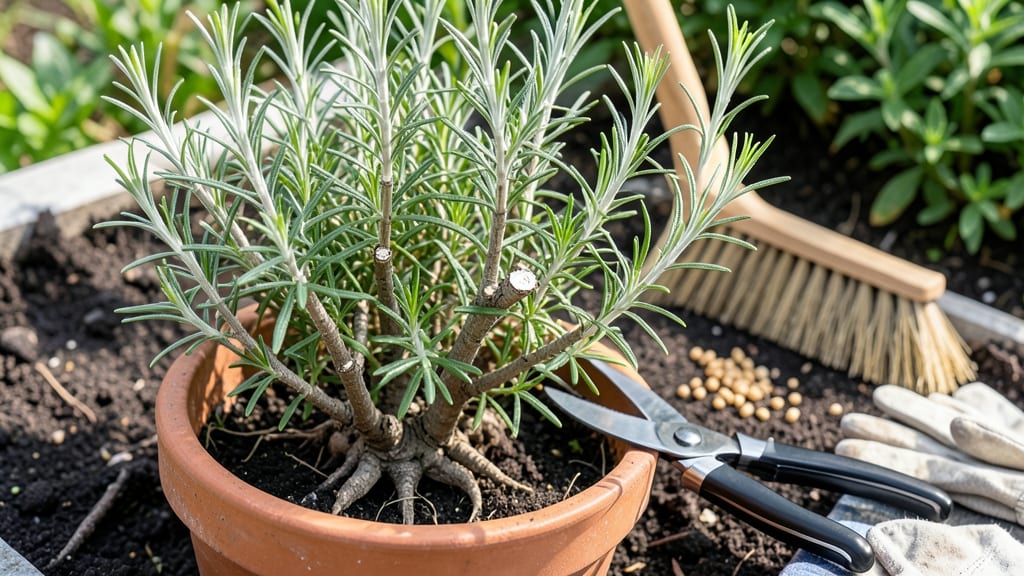
How to keep salvias flowering is all about unlocking their secrets—once you do, they refuse to quit. 🌿 I’ve watched Salvia nemorosa and Salvia splendens transform from sporadic bloomers to season-long showstoppers—all with three simple moves: strategic pruning, targeted feeding, and deadheading like a pro. The biggest mistake? Cutting back too late or too hard. Prune right after flowering (not in fall) to encourage fresh growth, and fertilize lightly with low-phosphorus feed every 6 weeks. Overwatering? That’s the silent bloom-killer—salvias hate soggy roots. By mid-summer, you’ll see new buds forming at the stems’ base, with flowers lasting until frost. The key is balance: enough water to keep them happy, but not so much they forget to flower. Works for both perennial and annual varieties—just adjust timing for your climate. Let’s get those salvias putting on a show!
📚 In This Guide
- What you need
- Instructions
- Tips and common mistakes
- Wrapping up and next steps
What you need
- ● Pruning shears or sharp bypass pruners – 1 pair (sterilized, with sharp blades for clean cuts).
- ● Garden gloves – 1 pair (to protect hands from thorns or sap).
- ● Balanced, water-soluble fertilizer – 10-10-10 or 20-20-20 NPK ratio (follow label instructions for dilution).
- ○ Slow-release granular fertilizer – Optional but recommended (e.g., 14-14-14 or organic options like composted manure).
- ● Deadheading scissors or clean pruners – 1 pair (for precision trimming of spent blooms).
- ○ Mulch (optional but beneficial) – 2–3 inches (straw, pine bark, or shredded leaves to retain moisture and suppress weeds).
- ● Hand trowel – For digging or applying granular fertilizer.
- ● Watering can or hose with a gentle spray nozzle – To avoid disturbing soil post-fertilizing.
- ● Garden kneeler or stool – For comfort when working with larger shrubs.
- ● pH testing kit – To check soil acidity (ideal range: 6.0–7.0 for most salvias).
- ● Compost or organic matter – To enrich soil before planting or seasonally.
- ● Know your Salvia variety—some (like Salvia nemorosa) need hard pruning, while others (like Salvia leucantha) prefer light deadheading.
- ● Check the last frost date in your zone to time pruning/fertilizing after spring growth begins.
- ● Ensure your plants have well-draining soil—salvias hate soggy roots!
Step-by-Step instructions for prolonging Salvia blooms
Here's the method I rely on to keep salvias flowering nonstop—tested across heatwaves and short seasons alike.
✂️ Step 1: Master the Art of Deadheading
Cut back each faded bloom spike to the first set of healthy leaves below the flowers. This prevents seed formation and redirects energy to new growth. I use clean, sharp pruners to avoid tearing stems—salvias respond best to precise cuts. Timing matters: do this immediately after flowers fade, but never cut into old, woody growth.
Watch for new side shoots emerging within 2-3 weeks. These are your plant's way of saying, "I'm ready to bloom again!" If you see leggy stems with no flowers, you're cutting too late in the season. Salvias need at least 6 weeks of warm weather to rebloom after heavy pruning.
💧 Step 2: Adjust Watering for Continuous Blooms
Reduce watering by half once buds appear. Overwatering stresses salvias and causes buds to drop before opening. I water deeply only when the top 3-4 inches of soil feel completely dry—this mimics their natural drought tolerance. In containers, check soil moisture daily during heatwaves, as pots dry out faster.
Mulch heavily with 2-3 inches of organic mulch (like shredded bark) to retain moisture and cool roots. This prevents the shock that often follows heavy watering. You'll notice flowers lasting longer and stems staying upright—no more floppy, waterlogged plants.
☀️ Step 3: Feed Strategically for Longer Blooming
Apply a balanced, water-soluble fertilizer (10-10-10) at half strength every 4-6 weeks during active growth. I start feeding when new leaves appear after pruning. Avoid high-nitrogen fertilizers—they promote leafy growth at the expense of flowers. For established plants, a slow-release granular fertilizer in spring works well too.
Stop fertilizing completely once temperatures exceed 90°F. Salvias go semi-dormant in extreme heat, and feeding stresses them further. You'll see buds form more reliably when you time feeding with cooler mornings and evenings.
🌿 Step 4: Prune for Shape and Seasonal Renewal
After the first major bloom cycle, give salvias a light structural prune to encourage bushier growth. Cut back any overly leggy stems by one-third to promote branching. I prune in early morning when stems are firm, not after watering when they're soft. This prevents disease entry points.
In fall, give perennial salvias a harder cutback—reduce stems by half to clean up the plant. This prepares them for winter dormancy and ensures vigorous spring regrowth. You'll see stronger stems and more abundant blooms the following season.
Tips & tricks for perfect Salvia blooms
These garden-friendly strategies will help you extend your salvias' flowering season with minimal effort.
Pruning Precision: When you trim back those leggy stems by one-third in Step 1, focus on cutting just above a set of healthy leaves—not bare wood. This small detail prevents disease and encourages new growth from the base. For woody varieties like Salvia officinalis, I find using clean pruners and making angled cuts helps water run off better, reducing fungal risks. The key is to prune immediately after the first flush fades—don't wait until the plant looks ragged!
Fertilizer Timing: The 2-3 week window for bud formation after feeding in Step 2 is your reward for patience. I've learned to mark my calendar after pruning to apply that diluted 10-10-10 fertilizer—this timing ensures the plant has energy for both foliage and flowers. For container salvias, switching to low-phosphorus fertilizer once buds appear prevents leafy overgrowth that steals from blooms. Pro tip: Always water thoroughly before and after applying fertilizer to help nutrients reach those deep roots.
Deadheading Strategy: In Step 3, when you're snipping off those spent flower spikes, be strategic about where you cut. For salvias that bloom in stages like Salvia leucantha, only remove the oldest flowers to encourage new blooms from lower stems. I keep a small pair of pruners handy and make clean cuts just above the first set of healthy leaves—this prevents unsightly stubs and encourages bushier growth. The 10-14 day window for new buds to form is your motivation to stay consistent with this step.
Light and Water Balance: The full sun requirement of 6+ hours daily in Step 4 can't be overstated—even shade-tolerant varieties bloom better with more light. I've found rotating containers weekly helps prevent uneven growth. For watering, let that top 2 inches of soil dry out completely between waterings. The slightly crispy-to-touch test is your best indicator of proper moisture balance—it tells you the roots are actively seeking water, not drowning in it.
Pro Tips for Keep Salvias Flowering
- These garden-friendly strategies will help you extend your salvias' flowering season with minimal effort.
- Pruning Precision: When you trim back those leggy stems by one-third in Step 1, focus on cutting just above a set of ...
- Fertilizer Timing: The 2-3 week window for bud formation after feeding in Step 2 is your reward for patience. I've le...
Frequently asked questions
about keeping salvias blooming—because even the best gardeners need a little extra help!Why aren’t my salvias flowering at all this year?
If your salvias are putting out only leaves, they might need a little push. Check for these common culprits: over-fertilizing with high-nitrogen food (which encourages foliage over flowers), not enough sunlight (6+ hours of sun is key), or root-bound pots. Try moving them to a sunnier spot, repotting if needed, and switch to a low-nitrogen, bloom-boosting fertilizer.
When is the best time to deadhead salvias?
Deadhead right after blooms fade (but before seed pods form) to encourage more flowers. For perennial salvias, do this throughout the blooming season—spring to fall. For annuals, keep pruning until frost. Pro tip: Use clean, sharp scissors and cut just above a leaf node to avoid damaging the plant.
Can I prune salvias too much?
Yes! Over-pruning—especially cutting into old wood (brown stems)—can stress salvias and reduce next year’s blooms. Stick to light trims after flowering or in early spring. For woody types like Salvia nemorosa, only remove 1/3 of the plant max per year. Save the heavy pruning for renewal cuts every 2–3 years.
Do salvias need special watering to keep blooming?
Salvias hate soggy roots, which can cause rot and fewer blooms. Water deeply but infrequently—about 1 inch per week (adjust for rain/climate). Let soil dry out between waterings, and reduce watering in late summer to signal the plant to prepare for dormancy. Mulch helps retain moisture without overwatering.
What’s the best fertilizer for salvias?
Skip the generic high-nitrogen lawn fertilizer—it’ll give you lush leaves but zero flowers! Instead, use a balanced or low-nitrogen formula (like 5-10-10 or 10-20-20) or a bloom-specific feed (look for phosphorus-rich options). Feed lightly every 4–6 weeks during growing season, and stop fertilizing in late summer to avoid late-season growth.
Wrapping up and next steps
Keeping your salvias blooming beautifully is all about consistent care—pruning to encourage growth, feeding for vitality, and deadheading to prolong flowers. With these simple steps, your garden will stay vibrant and full of color all season long! 🌸
Now that you’re armed with the know-how, grab your pruners and get growing! Try one new technique this week and watch your salvias thrive. Happy gardening! 🌿