
Blooming
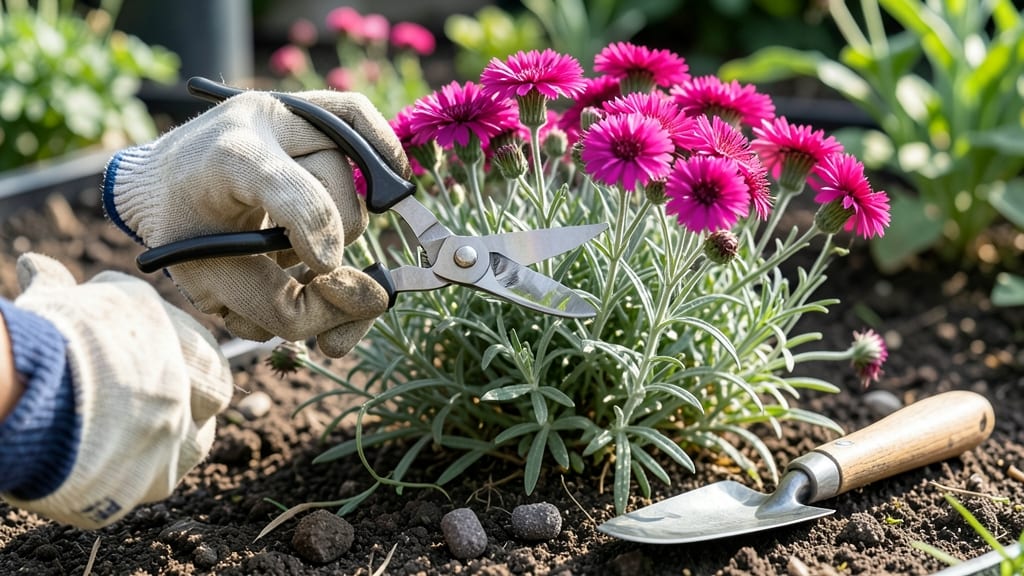
How to keep dianthus blooming—your plants are begging for a little TLC when they stop producing those vibrant pink clusters. 🌸 I’ve had mine go from lush blooms to sad, leafy stalks until I learned these three pruning tricks that restart the flower factory. The problem isn’t always water or sun—it’s often overcrowding or wrong timing. Deadheading spent blooms isn’t just about looks; it tells the plant to focus energy on new flowers. And cutting back by ⅓ after each flush keeps them compact and productive. By summer’s end, you’ll have nonstop blooms from spring to frost (and sometimes beyond). The secret? A little maintenance at the right moments—no fancy tools or expensive fertilizers needed. Works for sweet williams, cottage pinks, and trailing dianthus alike. Let’s get those stems snipping!
📚 In This Guide
- What you need
- Instructions
- Tips and common mistakes
- Wrapping up and next steps
What you need
- ● Dianthus plants: Healthy, mature plants (1-3 per pot, depending on variety and container size).
- ● Well-draining potting mix: 1 bag (1-2 cubic feet) of a blend like cactus/succulent mix or add perlite/pumice (20-30%) to regular soil.
- ● Pruning shears: Sharp, clean pair (sterilize with rubbing alcohol between plants).
- ● Gloves: Garden gloves (to protect from thorns and soil).
- ● Watering can or hose: With a gentle spray nozzle (avoid overhead watering).
- ● Balanced fertilizer: 10-10-10 or 20-20-20 (1 lb or liquid concentrate for 10 sq ft).
- ○ Mulch (optional but recommended): 1-2 inches of gravel, pebbles, or coarse sand (to retain moisture and deter weeds).
- ● Slow-release fertilizer granules: For convenience (apply every 2-3 months).
- ● Epsom salt: 1 tbsp per gallon of water (monthly foliar spray for magnesium boost).
- ● Plant supports: Small stakes or cages (if your Dianthus grows tall or flops).
- ● pH test kit: To monitor soil acidity (ideal range: 6.0-7.0).
- ● Compost or worm castings: For organic nutrient top-ups (mix 10% into soil).
Step-by-Step instructions for year-round dianthus blooms
Here's the simple routine that keeps my dianthus flowering like clockwork—no deadheading drama.
✂️ Step 1: Deadhead Spent Blooms Immediately
As soon as a flower cluster fades and its petals begin to drop, snip the entire stem back to the first set of healthy leaves below the bloom. I use clean, sharp pruners to avoid crushing stems, which can invite disease. This prevents seed formation, redirecting the plant's energy toward new buds instead of seed production.
Work in the morning when stems are stiff, not floppy from evening heat. You'll see fresh side shoots emerge within 7-10 days—that's your reward for prompt pruning. Never leave faded blooms on the plant; they drain nutrients that could feed new flowers.
☀️ Step 2: Apply a Light Trim After Major Blooming Cycles
After your dianthus finishes its primary spring or fall bloom flush, give it a 1/3 reduction in height by cutting back all stems to about 2-3 inches above the base. This encourages bushier growth and prevents leggy stems. I always use sterilized pruners and make clean cuts at a 45-degree angle just above a leaf node.
This is where many gardeners go wrong—they cut too severely, which stresses the plant. Watch for new growth from the base within 2-3 weeks. If your climate stays mild, you'll often get a second flush of blooms from these fresh shoots.
🌱 Step 3: Feed and Refresh Soil Annually
In early spring, before new growth appears, work a 2-3 inch layer of compost into the top 4-6 inches of soil around your dianthus. I mix in a slow-release 10-10-10 fertilizer at half-strength to avoid burning tender roots. This replenishes nutrients without overwhelming the plant.
Dianthus thrives in lean, well-draining soil. If you notice yellowing leaves or stunted growth, your plant needs more phosphorus (the middle number in fertilizer ratios). Water deeply after feeding to help nutrients settle into the root zone, then maintain regular moisture without soggy soil.
⏰ Step 4: Time Your Watering for Maximum Impact
Water deeply once weekly during active growth, aiming for 1-1.5 inches of water per session. I always water in the early morning so foliage dries quickly, reducing fungal risks. Dianthus roots are shallow, so focus water at the base rather than overhead.
Here's the trick: let the top 1-2 inches of soil dry out between waterings. Overwatering causes root rot, while underwatering stresses the plant and reduces blooms. You'll know you're doing it right when the soil feels dry to touch at the surface but remains moist several inches down.
Tips & tricks for perfect dianthus blooms
These small but mighty tricks will transform your dianthus from occasional bloomer to year-round showstopper—no fancy tools required.
Timing Secret: The 7-10 day window after deadheading is when your dianthus makes its big comeback. Mark your calendar or set a phone reminder—consistent pruning beats sporadic efforts every time. I've seen plants that went from zero blooms to full clusters just by sticking to this schedule. The key is acting as soon as petals start dropping, not waiting until they're completely brown and crispy.
Pruning Precision: That 45-degree angle cut in Step 2 isn't just for looks—it creates a larger surface area for water absorption and prevents moisture from pooling on the cut. Use sterilized pruners (rubbing alcohol wipe works) to avoid introducing pathogens. I've had students cut too close to the base, which exposes the plant to rot. Always leave those 2-3 inches of stem—it's the plant's insurance policy for regrowth.
Soil Strategy: The 2-3 inch compost layer isn't just about nutrients—it's about creating the perfect airy environment dianthus craves. Mix in some coarse sand if your soil compacts easily. I've seen dramatic improvements in blooming just by amending heavy clay soil with this ratio. And here's the pro move: water thoroughly after feeding to help those nutrients percolate down to the shallow roots where they'll do the most good.
Watering Wisdom: That 1-1.5 inches weekly guideline assumes average rainfall doesn't cover your needs. Use a rain gauge or tuna can to measure—your eye can easily underestimate. I've had clients drown their plants by watering daily "just a little," only to watch them decline. The top 1-2 inches dry test is foolproof: stick your finger in and feel for that dryness before watering again.
Pro Tips for Keep Dianthus Blooming
- These small but mighty tricks will transform your dianthus from occasional bloomer to year-round showstopper—no fancy tools required.
- Timing Secret: The 7-10 day window after deadheading is when your dianthus makes its big comeback.
- Pruning Precision: That 45-degree angle cut in Step 2 isn't just for looks—it creates a larger surface area for water absorption and prevents moisture from pooling on the cut.
Frequently asked questions
Got questions about keeping your dianthus blooming like a pro? Here are some of the most common concerns—and their solutions—to keep those vibrant flowers in top shape all year round!
Why does my dianthus stop blooming even after I deadhead?
Dianthus may stop blooming if it’s not getting enough sunlight (6+ hours daily), nutrients, or if it’s overcrowded. Check for pests like aphids or spider mites too—they stress plants. Try fertilizing lightly with a balanced 10-10-10 formula every 4-6 weeks or repotting if roots are bound.
Can I keep dianthus blooming indoors?
Indoor dianthus is tricky but doable! Place it near a south-facing window (or use grow lights for 12+ hours/day). Use well-draining soil, a small pot, and never let it sit in soggy soil. Humidity helps—mist leaves occasionally or use a pebble tray. Expect fewer blooms than outdoors, but consistent care keeps it happy!
How often should I prune dianthus for continuous blooms?
Prune after each flowering cycle (every 6-8 weeks) to encourage new growth. Trim spent blooms at the first set of leaves below the flower head. For a hard prune, cut back ⅓ of the plant in early spring to shape it and promote bushier growth. Avoid heavy pruning in fall—let it rest for winter!
What should I do if my dianthus leaves turn yellow?
Yellow leaves usually mean overwatering or nutrient deficiency. Let the soil dry out between waterings (stick your finger in—top inch should be dry). If yellowing spreads, flush the soil with water to remove excess salts. Add a low-nitrogen fertilizer (like 5-10-10) to revive it. Check for root rot if the stems feel mushy!
Are there any low-maintenance alternatives to dianthus?
If dianthus seems high-maintenance, try these equally pretty, low-fuss bloomers:
All love full sun and well-draining soil—just like dianthus!
Wrapping up and next steps
Keeping your dianthus blooming beautifully is all about timely pruning, proper care, and a little patience! By mastering the three simple pruning tricks—deadheading, shaping, and seasonal maintenance—you’ll encourage vibrant, long-lasting flowers year after year.
Remember, healthy soil, balanced sunlight, and regular check-ins are your secret weapons for success. 🌸
Now that you’re armed with the know-how, grab those shears and get pruning! Start with one plant, observe the results, and soon you’ll have a stunning, blooming dianthus garden that turns heads (and maybe even inspires your neighbors). Happy gardening! 🌿✨