
How To
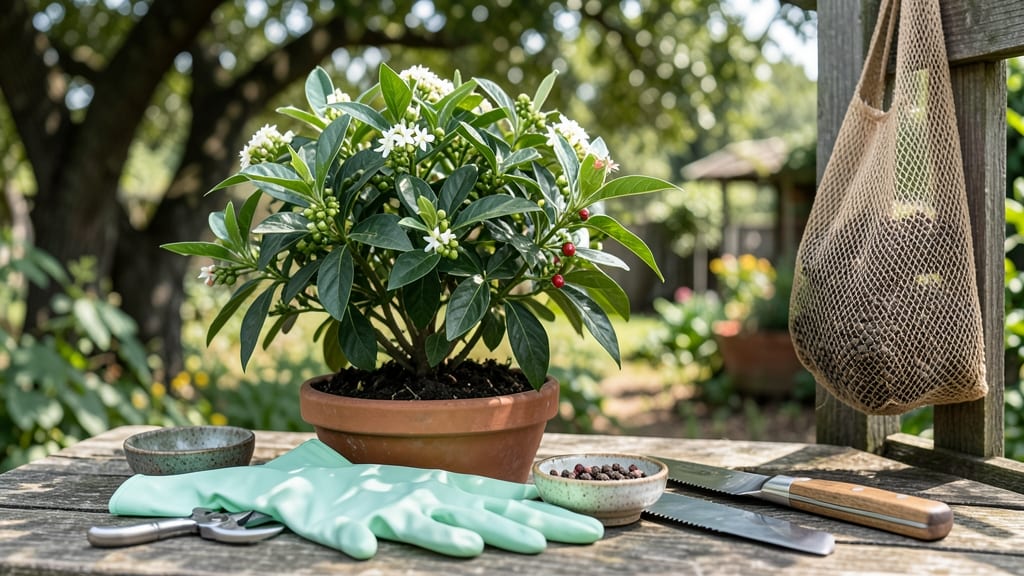
Harvesting peppercorns at the right moment transforms your 🌶️ Black Pepper plant from a simple garden vine into a flavor factory—but timing is everything.
Whether you're growing in tropical USDA Zones 10-12 or pushing the limits in warmer microclimates, knowing when to pluck those tiny berries makes the difference between bland and bold.
Most gardeners wait 6-9 months after planting before even considering harvest, but the real magic happens when you spot those telltale signs: berries that shift from green to deep black (or red, depending on your variety) and wrinkle slightly on the vine.
Miss this window, and you risk sacrificing the rich, complex flavor that makes peppercorns so coveted in kitchens worldwide.
In this guide, I’ll walk you through the exact steps to harvest peppercorns—from hand-picking to drying—so you can preserve that peak flavor for months.
You’ll also learn how climate and seasonal shifts in tropical/subtropical regions can tweak your harvest timing, plus storage tricks to keep your peppercorns potent long after the growing season ends.
Ready to turn your vine into a spice cabinet? Let’s dive into the secrets of harvesting peppercorns like a pro.


When to harvest peppercorns for peak flavor and quality
Timing is everything when harvesting peppercorns, and missing the window can mean the difference between bold, complex flavor and bland, underdeveloped berries. Most pepper varieties take 6 to 8 months to mature, but the exact moment depends on the color stage you’re targeting—green, black, or red.
For black peppercorns, the classic choice, harvest when the berries turn deep green and begin to wrinkle slightly on the vine.
Green peppercorns should be picked when fully firm and glossy, typically around 180–210 days after planting. If you wait too long, they’ll turn black or red, altering their flavor profile.
For red peppercorns, wait until the berries soften and deepen to a bright red hue, signaling full maturity and a sweeter, fruitier taste. Climate plays a role too—warmer, tropical regions like USDA Zones 10–12 may speed up maturation by 20–30 days compared to cooler microclimates.
Pay close attention to the berry’s texture. A ripe peppercorn should pluck easily with a gentle twist—if it resists, it’s not ready. Overripe berries may shrivel or fall off the vine, losing their potency.
In my tropical garden, I’ve learned to check berries weekly in late summer to catch the perfect harvest window before the rains arrive.
Here’s a quick visual guide to help you spot the ideal harvest moment:
| Stage | Color | Texture | Flavor Profile |
|---|---|---|---|
| Green | Bright green | Firm, glossy | Fresh, grassy, slightly spicy |
| Black | Dark purple-black | Wrinkled, dry | Bold, complex, spicy |
| Red | Deep red | Soft, plump | Sweet, fruity, mild heat |
Regional climate variations can shift your harvest timeline. In humid subtropical zones, like Florida or Hawaii, peppercorns may mature faster due to longer growing seasons and consistent warmth. Meanwhile, in cooler microclimates (e.g., Zone 9 edges), vines might need an extra 4–6 weeks to reach full maturity.
I once grew peppercorns in Zone 9b and had to extend the season with row covers to protect them from early autumn chills.
Don’t rely solely on color—test a few berries by gently squeezing them. A ripe peppercorn should feel dense and slightly leathery, not mushy or hollow. If you’re unsure, harvest a small batch and dry them to see if the flavor develops as expected.
This trial-and-error method saved my first harvest from becoming a bitter disappointment!
Morning is the best time to harvest, as dew-free berries dry more efficiently. Avoid harvesting after rain, as moisture can accelerate spoilage. In my garden, I use a small pruning shears to snip clusters of berries, leaving a short stem to preserve the vine’s health.
For large harvests, wear gloves—peppercorns can stain hands and irritate skin.
If you miss the optimal window, don’t panic. Green peppercorns can still be dried for a milder flavor, while overripe red berries may ferment into a unique, tangy spice. However, the peak flavor window is narrow, so staying vigilant pays off in bold, aromatic peppercorns that rival store-bought quality.
Pro tip: Mark your calendar 6 months after planting to start monitoring berries closely. A small notebook tracking color changes and texture can help you refine your timing for future harvests. Patience and observation are your best tools—just like with any garden treasure! 🌱
Step-by-step peppercorn harvesting techniques for home gardeners
Harvesting peppercorns is where the magic happens—your homegrown spice transforms from garden curiosity to gourmet treasure. The method you choose depends on your peppercorn variety and how you plan to use them.
For black peppercorns, harvest when the berries turn deep green and begin to wrinkle slightly on the vine. For green peppercorns, pick them before they fully ripen, while still firm and glossy.
Timing is everything: black peppercorns should be harvested when they’re 70-80% ripe (green but ready to dry). Red peppercorns, on the other hand, need to fully ripen on the vine before picking.
Miss the window, and you risk flavor loss or even moldy berries. If you’re unsure, a gentle twist test works—ready berries should detach easily without breaking.
📋 Step-by-Step Harvesting Guide
- 1. Choose Your Method: Decide between hand-picking (for precision) or shaking (for bulk harvest). Hand-picking is best for small batches or selective harvesting.
- 2. Harvest in the Morning: Pick berries when dew has dried (after 9 AM) to reduce moisture and prevent mold during drying.
- 3. Use Pruning Shears or Gloves: Wear gardening gloves to protect your hands—peppercorns can stain and irritate skin.
- 4. Remove Only Fully Ripe Berries: For black peppercorns, harvest when wrinkled and dark green. For red, wait until fully colored.
- 5. Spread on Trays for Drying: Lay berries in a single layer on mesh trays or screens in a shady, well-ventilated area.
- 6. Dry for 2-4 Weeks: Turn berries daily to ensure even drying. They’re ready when crisp and black (for black peppercorns).
- 7. Store in Airtight Containers: Keep dried peppercorns in glass jars away from light and heat for up to 2 years.
If you’re short on time or patience, oven-drying is an option—but it’s riskier. Set your oven to 170°F (77°C) and dry berries for 1-2 hours, checking frequently to avoid burning. However, air-drying preserves the most flavor and aroma, so it’s worth the wait.
Pro tip: Label your harvests by variety and harvest date. Some peppercorns, like Malabar Giant, produce larger berries and may need longer drying times. Keep notes to refine your process each season—your future self (and taste buds) will thank you!
Once dried, you can leave peppercorns whole or crack them for a coarser grind. Store them in a cool, dark place to lock in their bold, spicy-sweet flavor. With the right technique, your homegrown peppercorns will rival store-bought—and your dishes will never taste the same again.