
Picking
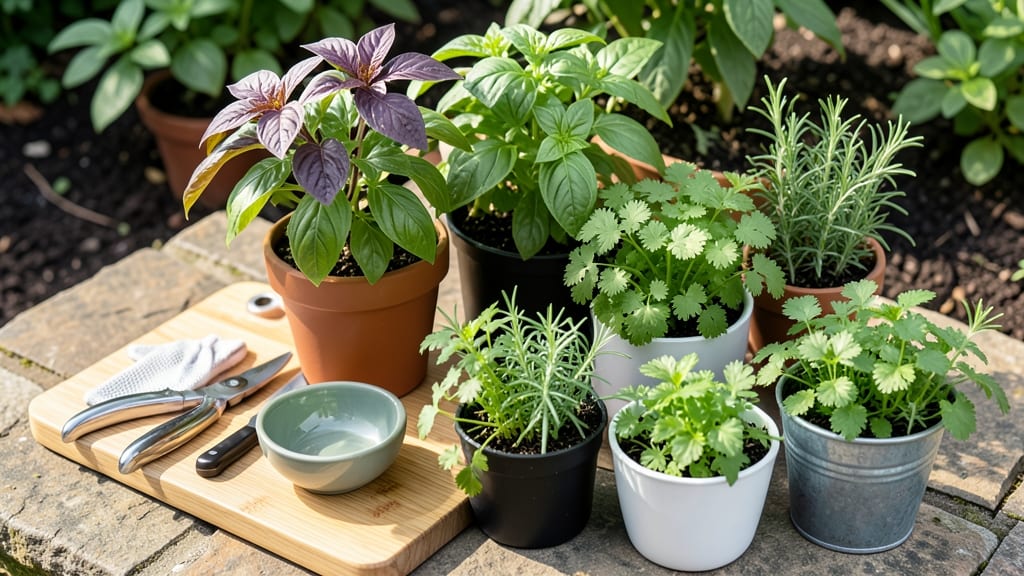
Harvesting fresh herbs at their peak transforms your kitchen into a fragrant, flavorful powerhouse. ✨ The difference between vibrant, aromatic leaves and bitter, woody stems comes down to timing and technique—what I’ve perfected after years of trial and error in my own garden.
Most herbs thrive when harvested right before flowering, when their essential oils are most concentrated. For leafy herbs like basil and cilantro, snip just above a set of leaves or a leaf node to encourage bushier growth.
Woody herbs like rosemary and thyme respond better to pruning back by one-third in early spring, which keeps them compact and productive.
After harvesting, let the stems air-dry for 1-2 hours before storing in the fridge wrapped in a damp paper towel. For long-term use, bundle stems and hang upside down in a dry, dark place—within 2-3 weeks, you’ll have fragrant, ready-to-use dried herbs that outlast grocery store versions by months.
This method works for any herb, from delicate dill to hardy oregano, and ensures your plants keep producing lush, flavorful leaves all season long. The key is consistency—harvest regularly, and your herbs will reward you with abundant, vibrant regrowth every time.
📚 In This Guide
- What you need
- Instructions
- Tips and common mistakes
- Wrapping up and next steps
What you need
- ● Sharp pruning shears or scissors – Small, clean, and sharp (avoid dull blades that crush stems!)
- ● Clean kitchen knife or herb scissors – For trimming smaller leaves or delicate herbs like thyme or oregano.
- ● Glass jars or containers – For storing harvested herbs (mason jars, small bowls, or even a colander work well).
- ○ Water spray bottle (optional but helpful) – To mist herbs and keep them fresh longer.
- ● Paper towels or clean cloth – For gently patting dry any excess moisture.
- ● Plastic bags or breathable produce bags – For temporary storage if you won’t use the herbs immediately.
- ● Herb drying rack or hanging bundle – For preserving herbs long-term (twine or rubber bands work too!).
- ● Food processor or mortar & pestle – For chopping herbs fresh if you’re prepping for cooking.
- ● Labeling tags or markers – To keep track of different herbs (especially useful for large gardens!).
- ● Gloves (lightweight gardening gloves) – If you have sensitive skin or are handling prickly herbs like rosemary.
Step-by-step instructions for harvesting fresh herbs
Here's how I harvest herbs for peak flavor and keep plants thriving—no wasted stems or wilted leaves.
✂️ Step 1: Identify the Right Time for Harvesting
Harvest herbs in the morning after dew has evaporated but before the midday sun stresses the plants. This is when essential oils—what give herbs their flavor—are at their peak. Look for 4-6 inches of growth on woody herbs like rosemary or thyme, or when basil leaves reach 3-4 inches long. You'll see the plant's energy focused in the new growth, not the older, tougher stems.
Never harvest when the plant is flowering unless you specifically want to collect seeds. Flowering signals the plant to shift energy from leaves to reproduction, which dulls flavor. Pinch off flower buds early if you want leaf production to continue. The exception is dill and cilantro—harvest flowers for pickling or garnishes.
🌿 Step 2: Use the Correct Cutting Technique
Use clean, sharp scissors or pruning shears to make cuts just above a leaf node—where leaves or stems branch out. This encourages new growth from that spot. For basil, I cut just above a set of leaves to promote bushier growth. For rosemary, I trim about ⅓ of the plant's height to maintain shape and prevent legginess.
Never pull leaves off the stem—this damages the plant and leaves ragged edges. Always cut at a 45-degree angle to increase surface area for water absorption. If harvesting a whole stem, cut from the base to avoid leaving stubs that can rot. This also prevents the plant from wasting energy trying to heal small wounds.
☀️ Step 3: Harvest Strategically for Plant Health
Harvest regularly to encourage bushier, more flavorful growth. For annual herbs like basil and cilantro, harvest every 2-3 weeks to prevent bolting—the sudden flowering that turns leaves bitter. Perennial herbs like thyme and oregano can handle more frequent harvesting, even every 1-2 weeks during peak growing season.
Rotate your harvesting locations if growing multiple plants in one container. This prevents over-stressing one area and keeps the plant balanced. You'll notice new growth emerging from the cut nodes within 7-10 days. If a plant looks leggy or sparse, it's time to harvest more aggressively to stimulate fuller regrowth.
💧 Step 4: Store Harvested Herbs Properly
Rinse herbs briefly under cool water to remove dirt, then pat dry with a clean towel or paper towels. Bundle stems together and place them in a glass of water on the counter—this mimics their natural state and keeps them fresh for 5-7 days. For long-term storage, hang bundles upside down in a dry, dark place where airflow circulates around them.
For chopped herbs, spread them on a paper towel in a single layer to dry completely. Store dried herbs in an airtight container away from light. You'll know they're properly dried when the leaves crumble easily between your fingers. Fresh herbs lose flavor quickly, so use them within 3-5 days for the best taste.
⏰ Step 5: Monitor and Adjust for Seasonal Changes
In late summer, herbs often slow growth due to heat stress. Reduce harvesting frequency and provide afternoon shade if temperatures exceed 90°F. You'll see herbs like basil turn bitter or develop yellow leaves—this is a sign to back off. In fall, harvest more aggressively before the first frost to preserve flavor and prevent the plant from putting energy into seed production.
Overwintering herbs like rosemary and thyme need minimal harvesting in winter. Focus on pruning dead or damaged growth to keep the plant healthy. You'll notice new growth in early spring, signaling it's time to resume regular harvesting. Adjust your technique based on the plant's response—if it looks stressed, cut back on frequency and length of cuts.
Tips & tricks for perfect herb harvesting
Took me a while to figure these out, so here goes—these are the details that separate good from great when harvesting herbs.
Timing Secret: The morning window after dew dries but before peak sun is non-negotiable for flavor. I've learned that checking for 3-4 pairs of mature leaves ensures the plant has enough energy to regrow, but here's what nobody tells you—leafy herbs like basil actually peak flavor when stems reach 6-8 inches and feel firm to the touch. The curled leaves you see in nurseries? Those need another week to fully unfurl and develop flavor compounds.
Cutting Technique That Changed Everything: I used to just snip whatever looked good, but the game-changer was cutting just above a leaf node. For basil specifically, I now make my cuts above the first set of leaves below the flower cluster—this redirects all the plant's energy toward leaf production instead of seed development. And yes, that one-third rule is critical: I've seen plants recover beautifully when I stick to it, but when I've over-harvested, they've become leggy within days.
Harvesting Frequency Insight: The 3-4 week guideline for basil works perfectly in my zone 7 garden, but here's the adjustment I make: if you're in a cooler climate, you might need to harvest every 4-5 weeks instead. For parsley and cilantro, I've found that weekly harvests only work if you're committed to consistent watering—otherwise, the plants stress and bolt. And for woody herbs like rosemary, I've learned to avoid heavy cuts in late summer because the plants need all their energy to prepare for winter dormancy.
Storage Wisdom: That paper towel trick in the fridge really works, but I've refined it further: I actually use two paper towels—one to absorb moisture and another to gently separate the leaves. This keeps them fresh for the full 1 week while preventing wilting. For drying, I've found that a dehumidifier nearby speeds up the process from 1-2 weeks to just 5-7 days in humid climates. The key is complete darkness—even a small amount of light will degrade those precious essential oils.
Pro Tips for Harvest Fresh Herbs
- Took me a while to figure these out, so here goes—these are the details that separate good from great when harvesting herbs.
- Timing Secret: The morning window after dew dries but before peak sun is non-negotiable for flavor.
- Cutting Technique That Changed Everything: I used to just snip whatever looked good, but the game-changer was cutting just above a leaf node.
Frequently asked questions
Got questions about harvesting fresh herbs?
You’re not alone! Here are answers to the most common concerns—from timing to troubleshooting—to help you snag the best flavor every time.
When is the best time of day to harvest herbs?
The ideal time is early morning after the dew has dried (around 6–9 AM). Herbs like basil and mint contain the highest essential oils—meaning more flavor—when the sun’s warmth kickstarts their metabolism. Avoid harvesting after a heavy rain (soil can dilute flavor) or in the scorching afternoon heat.
How do I harvest herbs without killing the plant?
Use sharp scissors or pruning shears (never your fingers!) and cut just above a leaf node (where leaves meet the stem). For woody herbs like rosemary or thyme, trim back by one-third to encourage bushier growth. Never harvest more than 1/3 of the plant at once—it’ll bounce back stronger!
Can I harvest herbs from the grocery store or farmers’ market?
Unfortunately, no—store-bought herbs are often treated with preservatives or wax coatings to extend shelf life. For the freshest flavor, grow your own (even in pots!) or buy from a trusted local farm that sells organic, homegrown herbs. Pro tip: Look for herbs with vibrant color and no yellowing leaves!
What should I do if my herbs are bolting or flowering?
Bolting (sending up a flower stalk) usually means your herb is stressed—often from heat, drought, or overcrowding. Pinch off flower buds immediately to redirect energy to leaf growth. For heat-sensitive herbs like cilantro, provide afternoon shade. If bolting is severe, harvest leaves before flowers form—they’ll be bitter once flowering starts.
How do I store freshly harvested herbs?
For long-term storage:
- Freezing: Chop herbs, mix with oil or water, and freeze in ice cube trays.
- Drying: Bundle stems and hang upside down in a dark, dry place (2–3 weeks).
- Refrigerating: Wrap loosely in a damp paper towel and store in a plastic bag (lasts 1–2 weeks).
Never wash herbs before storing—moisture speeds up spoilage.
Wrapping up and next steps
Harvesting fresh herbs at the right time and with the right technique can transform your cooking—and your garden! Whether you’re clipping basil for pesto, snipping cilantro for salsa, or gathering rosemary for roasts, timing and care are key to unlocking bold, vibrant flavors.
Now that you’ve got the know-how, go ahead and enjoy the fruits of your labor—literally!
Your next step? Experiment with recipes or share your harvest with friends. And if you’re feeling ambitious, try drying or freezing your herbs to savor their goodness all year round. Happy harvesting! 🌿✨