
How To
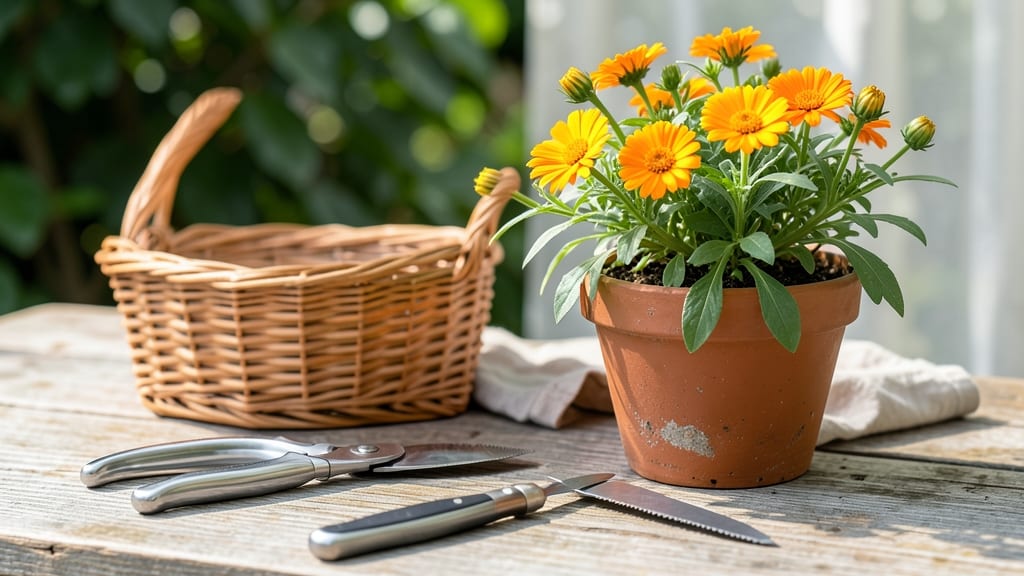
Harvesting calendula 🌼 at the right time transforms your garden into a source of soothing, caffeine-free tea that’s packed with medicinal benefits.
The key to the best flavor and potency lies in knowing exactly when to pick those vibrant petals—because harvesting too early or too late can leave you with bitter, weak tea instead of the rich, aromatic brew you crave.
If you’ve ever wondered why some calendula tea tastes dull or lacks the expected healing properties, it’s likely because of timing. I’ve spent years perfecting the process, and what I’m about to share will help you avoid common mistakes that waste your harvest.
From choosing the perfect sunny morning to selecting mature flowers, these steps ensure every cup you brew is the most flavorful and effective it can be.
Ready to turn your garden’s brightest blooms into a therapeutic treasure? Let’s walk through the best time to harvest, how to handle the flowers gently, and simple drying techniques that preserve all those beneficial compounds.
By the end, you’ll know exactly how to create a tea that’s not just delicious but also supports your wellness routine.
Whether you’re a seasoned gardener or just starting with calendula, these practical tips will make your harvest season easier and more rewarding. No more guessing—just a foolproof guide to unlocking the full potential of your plants for every sip.


Best time to harvest calendula flowers for tea: peak flavor and potency
Timing is everything when harvesting calendula for tea. The peak flavor and medicinal potency come from flowers picked at the right stage—fully open but not yet wilted.
I’ve found that harvesting in the early morning (between 8-10 AM) yields the most aromatic petals, as dew has evaporated but the sun hasn’t yet stressed the blooms.
For year-round gardeners, calendula thrives from June through October in most climates, but the best harvest window is during its main bloom period. In USDA Zone 6a, this typically aligns with late spring to early fall, avoiding the heat spikes of July that can dull flavor.
Always check for fully open petals—they should be bright orange or yellow, not curled or fading.
The weather matters too. Harvest on dry, sunny mornings after any overnight dew has dried. Avoid picking after rain or high humidity, as moisture can encourage mold during drying.
I once harvested damp calendula and ended up with a tea that tasted bitter—never again! The ideal conditions are clear skies, light breezes, and temperatures between 60-75°F.
Now, let’s talk flower maturity. The perfect harvest happens when 50-70% of the petals on a flower are fully unfurled but still vibrant. Overripe flowers (fully open for days) lose their flavor intensity and antioxidant levels.
Pro tip: Cut stems just as new buds begin to open—they’ll continue blooming, giving you a continuous harvest all season.
🌼 Top 5 Harvest Timing Tips
- ⏰ Morning harvest: 8-10 AM for peak oil content and aroma.
- 🌞 Sunny, dry days: Avoid rain or dew—moisture ruins drying.
- 🌸 Fully open petals: Harvest when 50-70% open, not fully wilted.
- 🌡️ Temperature check: Ideal range is 60-75°F for best flavor.
- 🌱 Seasonal window: June-October in most climates; adjust for frost dates.
Seasonal adjustments are key. In cooler climates, calendula may bloom later, so start harvesting in July instead of June. If you’re in a warmer zone, you might extend harvests into November, but stop before the first frost—frozen petals lose their medicinal properties and taste bland.
I’ve also noticed that early morning harvests in spring (just after last frost) produce the most vibrant orange petals, while summer blooms tend to be slightly paler but still potent.
Don’t overlook the stem condition. A firm, flexible stem indicates a healthy plant ready for harvest. If stems feel soft or woody, the plant is either overripe or stressed.
In my garden, I always cut stems at a 45-degree angle just above a leaf node to encourage new growth and more blooms. This simple technique has doubled my harvest yield over the years!
The color of the petals is your best indicator of readiness. Bright orange varieties like ‘Bonanza’ or ‘Touch of Class’ are ideal for tea—they’re rich in carotenoids and flavonoids. Yellow varieties like ‘Moonlight’ are milder but still excellent for calming teas.
Avoid harvesting flowers with brown edges or spots, as these signs indicate pest damage or disease, which can make your tea taste bitter.
For year-round tea lovers, consider growing calendula in containers or under grow lights during winter. With proper lighting, you can harvest indoor-grown calendula from December to March, though the flavor will be less intense than summer-picked blooms.
I’ve successfully extended my harvest season by using LED grow lights for 12 hours daily, but outdoor-grown calendula always wins for flavor and aroma.
Remember, the earlier you harvest in the day, the better the flavor. The oils and resins that give calendula tea its soothing properties are most concentrated in the morning. Plus, harvesting early means you avoid the heat of the day, which can cause petals to wilt faster.
Pro move: Bring a small basket or bucket to the garden, and work quickly to keep stems fresh until drying.
Finally, don’t harvest in the rain. Wet petals take longer to dry and are prone to mold. If rain is forecast, harvest a day ahead and let the flowers air-dry indoors.
This simple habit has saved me from ruined batches of calendula tea more times than I can count. The difference in taste between properly dried and damp-harvested calendula is night and day!
Best time to harvest calendula flowers for tea: peak flavor and potency
Harvesting calendula at the right moment ensures your tea has the brightest flavor and highest medicinal properties. The best time is when flowers are fully open but haven’t started wilting—typically late morning after dew has evaporated but before the midday heat saps their oils.
This timing maximizes volatile oils and antioxidants that give calendula tea its soothing properties.
For year-round gardeners, calendula blooms from late spring to early fall, but peak harvest windows are June through September in most USDA Zone 6a regions. If you’re in warmer zones, you can extend harvesting into October, but avoid rainy days—wet petals lose potency and attract mold.
Always check the weather forecast for dry conditions 24 hours before harvesting.
- ⏰ Morning harvests (9–11 AM) yield the most potent oils for tea.
- 🌞 Avoid midday heat (after 12 PM), which reduces flavor compounds.
- 🌧️ Never harvest after rain—petals absorb moisture, ruining tea quality.
- 🌼 Fully open petals (flat, not curled) signal peak harvest readiness.
- 📅 Seasonal rule: Harvest every 2–3 days during peak bloom (June–September).
Pay attention to flower maturity—immature buds won’t develop full flavor, while overripe flowers taste bitter. Look for bright orange or yellow petals that are fully flat and dry to the touch. The stem should snap cleanly when bent, not bend easily.
If you see pale or spotted petals, the flower is past its prime. For continuous harvests, pinch back spent blooms to encourage new growth.
Did you know? Calendula flowers contain triterpene saponins, which are most concentrated in fully open petals. Harvesting at the right stage ensures your tea retains these anti-inflammatory compounds.
Store harvested flowers in a paper bag (not plastic) to prevent moisture buildup, which can lead to mold before drying.
For container gardeners, calendula grows well in 5-gallon pots with well-draining soil. Harvest stems just above a leaf node to encourage bushier growth. If your plants are smaller than 12 inches, avoid heavy harvesting—prioritize a few high-quality blooms over quantity.
Over-harvesting can stress the plant, reducing future yields.
Remember: Patience pays off. A well-timed harvest means your calendula tea will have a richer color, bolder taste, and greater healing properties. Once you master the timing, you’ll enjoy a steady supply of homegrown herbal tea all season long. 🌿