
How To
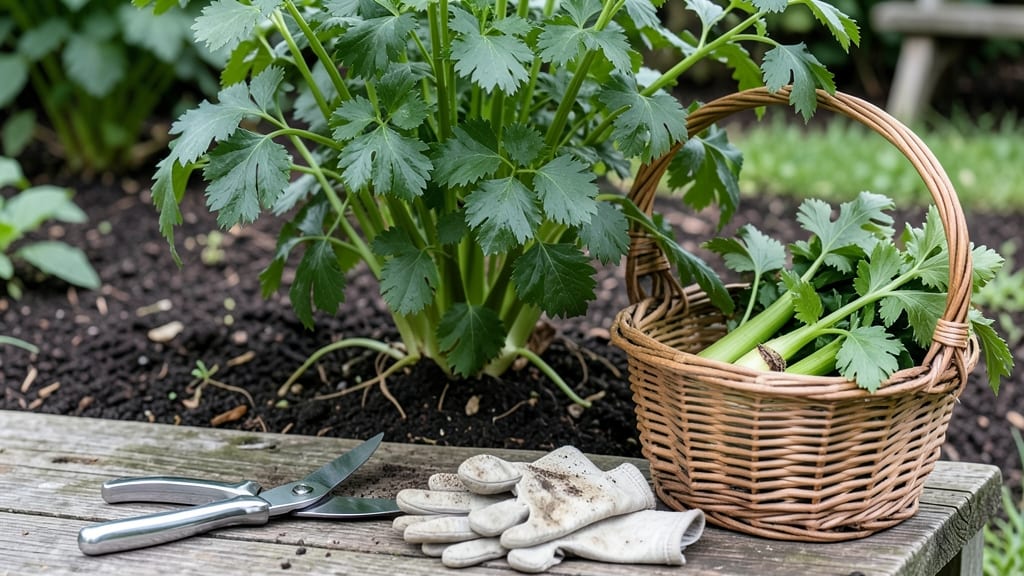
If you’ve ever wondered how to harvest lovage without sacrificing next year’s crop, you’re not alone—this aromatic 🌿 herb demands precision. Cut too soon, and you’ll miss peak flavor; wait too long, and your plant might struggle to bounce back.
The key lies in timing, technique, and knowing exactly which parts to harvest for the best results.
Lovage thrives in USDA Zone 6a, and its year-round harvest potential means you can enjoy fresh leaves, stems, and even roots almost anytime. But for maximum regrowth and flavor, spring and early summer are your sweet spots.
I’ll walk you through the exact steps—from identifying the perfect moment to cut to storing your harvest for long-term use—so you can keep your lovage lush and productive for seasons to come.
Whether you’re growing lovage for its culinary uses or medicinal benefits, proper harvesting is the foundation. You’ll learn which parts to prioritize (and which to leave alone), how to wield your pruners for optimal regrowth, and simple storage tricks to preserve that garden-fresh taste.
Let’s dive in—your lovage patch will thank you!
By the end, you’ll confidently harvest lovage like a pro, ensuring a steady supply of this versatile herb for soups, teas, and even pest control. Ready to master the art? Let’s get started.


Best time to harvest lovage for flavor and regrowth
Harvesting lovage at the right time ensures maximum flavor and healthy regrowth. The best window is early spring through early summer, before the plant bolts to flower.
This timing preserves its anise-like flavor and prevents woody stems. For year-round harvests, focus on young leaves and tender stems—they’re the most aromatic and tender.
Lovage’s peak harvest season is late spring to early summer, when leaves reach 6-12 inches and stems are firm but not woody. Waiting until late summer or fall risks bitter, fibrous foliage.
Even in its second year, lovage rewards patience with larger, more robust growth if harvested correctly.
Watch for these readiness signs: dark green, glossy leaves that release a strong celery-like scent when crushed, and stems that snap cleanly rather than bend. If leaves are pale or small, or stems feel soft or mushy, wait a few weeks—they’re not ready yet.
Timing matters because lovage is a perennial. Cutting too aggressively in late summer can stunt next year’s growth, while harvesting before flowering ensures stronger regrowth. The key is balance: harvest 1/3 of the plant at a time to avoid stressing it.
| Stage | Harvest Window | Flavor & Quality | Regrowth Impact |
|---|---|---|---|
| Early Spring | March–April | Mild, tender | Encourages bushy growth |
| Late Spring | May–June | Peak flavor, aromatic | Optimal for perennial health |
| Early Summer | July (before flowering) | Strong, slightly bitter | Risk of woody stems |
| Fall | September–October | Bitter, fibrous | Avoid heavy harvests |
Avoid harvesting lovage after flowering, as this shifts its energy to seed production instead of leaf and stem growth. If you miss the spring window, focus on young shoots that emerge in early spring—these are tender and flavorful without compromising the plant’s health.
For root harvests, dig up 3-year-old plants in early spring or fall. Choose clear, sunny days to reduce stress, and replant divisions to propagate new plants. Roots are best used fresh or dried for culinary or medicinal purposes, like teas or tinctures.
Pro tip: Label your lovage plants if harvesting roots, as they take longer to recover. Always leave at least 1/3 of the foliage intact to ensure the plant can photosynthesize and regrow. This simple step keeps your lovage thriving for years.
If your lovage bolts prematurely, don’t panic. Simply cut back the flower stalks and focus on harvesting leaves from the base. The plant will often rebound with new growth, though flavor may be less intense than in spring.
Step-by-step guide to cutting lovage without killing the plant
Harvesting lovage correctly ensures your plant stays healthy and productive for years. Start by selecting mature stems—look for those with 6-12 inch leaves and a firm, woody texture. Avoid cutting stems that are still soft or pale, as these won’t regrow well.
Use clean, sharp pruning shears or a knife to make cuts at a 45-degree angle, about 1 inch above a leaf node. This angle helps water run off and prevents rot. Never cut more than one-third of the plant at once to avoid stressing it.
Select healthy, mature stems with fully developed leaves and a firm texture.
Clean pruners or a sterilized knife prevent damage and disease.
Make cuts 1 inch above a leaf node at a 45-degree angle.
Never remove more than 1/3 of the plant in one harvest.
Dig up only mature roots in early spring or fall.
For leaf-only harvests, pinch off individual leaves from the outer stems to encourage bushier growth. This method is gentler and allows the plant to recover faster. If you’re harvesting for culinary use, prioritize stems with the largest leaves, as they pack the most flavor.
After harvesting, rinse leaves under cool water to remove dirt and pat them dry with a clean towel. Store them in the fridge for up to 5 days or freeze them for long-term use.
For roots, scrub them clean and store in a cool, dark place for up to 3 months.
To encourage regrowth after harvest, water the base of the plant deeply within 24 hours and apply a light layer of compost. Avoid heavy fertilization immediately after cutting, as it can stress the plant. With proper care, lovage will bounce back stronger than ever.
If your lovage stops producing new growth after harvesting, it may need more sunlight or nutrients. Relocate it to a sunnier spot or add compost to the soil to revive it. Lovage is hardy, so don’t worry—it’ll recover with a little TLC!
✂️