
Container Gardens
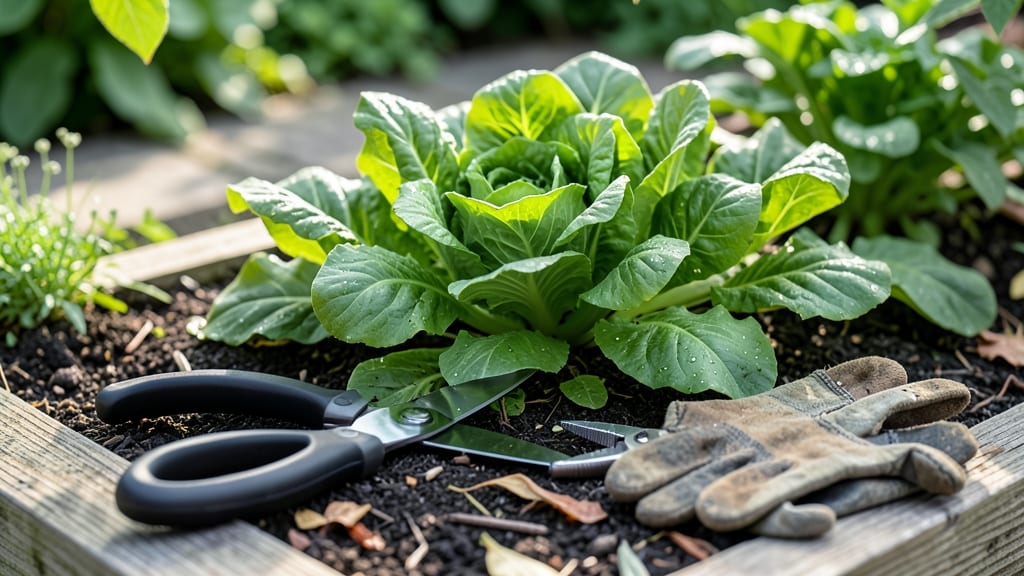
The correct way to cut lettuce for maximum regrowth
Harvesting lettuce the right way keeps your plants producing fresh leaves for weeks instead of bolting or dying. The key is selective cutting that removes only what you need while leaving the plant's growth center intact.
Unlike other greens, lettuce regrows best when you avoid cutting the stem—instead, focus on the outer leaves. This method encourages bushier growth and prevents stress that triggers bolting.
Before you start, gather your tools: a pair of sharp scissors or a clean knife, and a small bowl to collect your harvest. Work on a dry, sunny morning when leaves are crisp.
This timing reduces stress on the plant and gives you the freshest leaves. Always wash your tools with soapy water before and after use to prevent disease spread.
Here’s how to do it step by step—follow these instructions to keep your lettuce thriving:
For loose-leaf varieties like buttercrunch or oakleaf, this method works perfectly. But if you're growing head lettuce like iceberg or romaine, you’ll need to harvest the entire head once it’s mature—regrowth isn’t possible for these types. Always check your seed packet for specific advice.
Pro tip: Use a staggered harvesting approach by cutting leaves from different plants on alternating days. This ensures you always have fresh lettuce while minimizing stress on any single plant. Rotate your harvests to keep your garden productive all season long.
After your first harvest, your lettuce should continue producing for 4-6 weeks with proper care. Just remember: patience and precision are key. Avoid cutting more than you need, and your lettuce will reward you with a steady supply of crisp, homegrown greens.
🌱
The correct way to cut lettuce for maximum regrowth
Harvesting lettuce the right way isn’t just about getting fresh greens—it’s about encouraging your plants to produce more leaves for weeks. The key is to trim strategically, focusing on outer leaves while preserving the inner growth point.
This method keeps your lettuce bushy and productive, rather than forcing it to bolt or stop growing entirely.
Start by selecting the largest, most mature outer leaves for cutting. These leaves have already reached their full size, so removing them won’t stress the plant’s core. Use a pair of sharp scissors or pruning shears to make clean cuts, about 1/2 inch above the next set of leaves.
This small gap allows the plant to heal and regrow without exposing the tender stem.
Step-by-Step Guide to Trimming Lettuce
- 🌱 Step 1: Wait for Mature Leaves – Harvest when outer leaves reach 4-6 inches in length and are fully crisp.
- 🪴 Step 2: Use the Right Tools – Sharp scissors or shears prevent tearing and reduce stress on the plant.
- ✂️ Step 3: Cut at a 45-Degree Angle – Trim 1/2 inch above the next leaf to promote healing and regrowth.
- 💧 Step 4: Water Immediately After – Keep soil consistently moist to support recovery and new growth.
- 🌿 Step 5: Avoid Over-Trimming – Never remove more than 1/3 of the plant at once to prevent shock.
Timing your harvests is just as important as how you cut. Aim to trim lettuce every 2-3 weeks during its peak growing season (spring and fall). In hotter months, lettuce may bolt or go to seed, so focus on early morning harvests when leaves are crisp and hydrated.
This not only preserves quality but also signals the plant to produce more leaves in response.
For loose-leaf varieties like Buttercrunch or Black Seeded Simpson, you can continue harvesting individual leaves throughout the season. For head lettuce varieties like Iceberg or Romaine, cut the entire head 1 inch above the base when fully mature, but leave the outer leaves intact to protect the core.
This encourages a second, smaller head to form in some varieties.
After trimming, always inspect your lettuce for yellowing or wilted leaves, which can indicate stress or disease. Remove these immediately to redirect the plant’s energy toward healthy regrowth.
With the right technique, your lettuce can keep producing fresh leaves for 6-8 weeks or longer, depending on your climate and care.
Pro tip: If your lettuce starts to bolt (send up a flower stalk), it’s a sign of stress—often from heat, drought, or over-maturity. In this case, harvest the entire plant immediately and replant for a fresh batch.
With patience and precision, you’ll enjoy a continuous supply of homegrown lettuce all season long! 🥬