
Picking
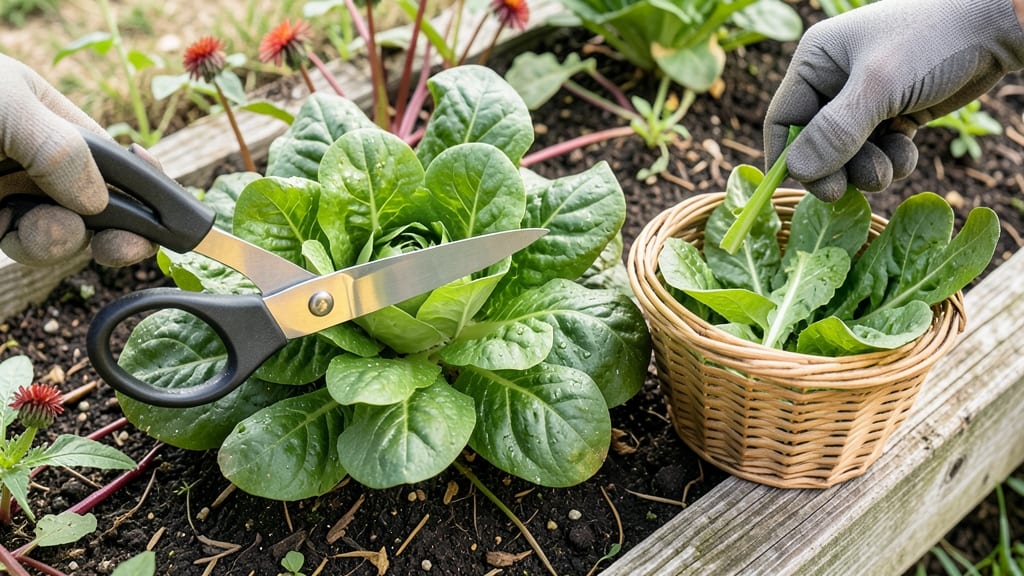
How to harvest lettuce without killing the plant—your lettuce doesn’t have to be a one-time harvest. Gentle picking keeps it producing all season. 🌿 I’ve learned the hard way that yanking whole heads or cutting too close to the center stunts growth, but there’s a better approach that turns a single plant into a never-ending salad source.
The secret is cutting or snapping off outer leaves at their base, leaving the inner rosette intact. Use clean scissors or your fingers to avoid tearing—this method triggers regrowth while keeping the plant healthy.
Most varieties bounce back in 7-10 days if you give them proper sunlight and water after harvest.
You’ll end up with crisp, tender leaves for weeks, not just a single harvest. The plant stays compact, produces more leaves than it would bolting, and you avoid the bitter taste that comes from over-mature lettuce. Just avoid cutting more than 1/3 of the plant at once.
This works for all lettuce types—romaine, butterhead, leaf lettuce—whether you're growing in containers or garden beds. The same principles apply to spinach and Swiss chard too. Let's make your lettuce last all season!
📚 In This Guide
- What you need
- Instructions
- Tips and common mistakes
- Wrapping up and next steps
What you need
- ● Sharp, clean scissors or pruning shears – A pair with ergonomic handles (for comfort) and stainless steel blades (to prevent rust). Recommended: 4-6 inch blades for precision.
- ○ Gloves (optional but helpful) – Lightweight, breathable gardening gloves (e.g., nitrile-coated) to protect hands from dirt and thorns (like in romaine).
- ● Bucket or harvest basket – A 5-gallon bucket with a lid or a mesh basket to keep lettuce cool and prevent bruising.
- ● Water spray bottle (8 oz.) – For misting leaves post-harvest to reduce stress on the plant.
- ● Kitchen towel or damp cloth – To gently pat off excess dirt before storing.
- ● Sun hat or umbrella (if harvesting outdoors) – To shield yourself (and the lettuce) from direct sunlight, which can wilt leaves quickly.
- ● Harvest knife with a serrated edge – For thicker stems (like butterhead lettuce). Look for a 3-inch blade for control.
- ● Small hand trowel – To loosen soil around roots if harvesting entire small plants.
- ● Food-safe storage container (with lid) – A plastic or glass container (e.g., 16 oz.) for short-term storage in the fridge.
- ● Labeling tags or marker – To note harvest dates if you’re experimenting with regrowth times.
Step-by-Step instructions for harvesting lettuce without killing the plant
Here’s how to keep your lettuce thriving while harvesting—no more sad, wilted leaves!
🌱 Step 1: Wait Until Lettuce Reaches the Right Size
Harvest lettuce when the outer leaves are 4-6 inches tall but before the head tightens too much. Young leaves are tender and packed with flavor, while mature heads can become bitter. I always check the bottom leaves first—they’ll be the largest and ready to pick.
Gently cup the base of the plant with one hand and lift the outer leaves upward. You’ll see a clean break where the leaf meets the stem—this is the perfect spot to harvest. Avoid pulling leaves straight out, as this can damage the plant’s roots and leave ragged edges.
✂️ Step 2: Use the Right Technique to Avoid Damage
Never rip or tear leaves—this stresses the plant and invites pests. Instead, use clean, sharp scissors or simply pinch the leaf off with your thumb and forefinger about ½ inch above the base. This small gap allows new growth to sprout from the stem without leaving a wound that can rot.
If you don’t have scissors, your fingers work just fine—just make sure to cut or pinch at a 45-degree angle to prevent water from pooling on the stem. This small detail keeps the plant healthy and prevents disease.
🌿 Step 3: Harvest Outer Leaves First to Encourage Regrowth
Always pick the outermost, largest leaves first. These are fully mature and won’t stunt the plant’s growth. By leaving the inner, younger leaves intact, you encourage the lettuce to keep producing new growth from the center. I like to harvest every 2-3 days in warm weather to keep the plant bushy and productive.
If you harvest too aggressively, you’ll shock the plant and slow down regrowth. A good rule of thumb: never remove more than ⅓ of the plant at once. This balance ensures your lettuce keeps growing instead of bolting or turning bitter.
💧 Step 4: Water and Fertilize After Harvesting
After harvesting, give your lettuce a light drink of water to replace what you’ve removed. Lettuce has shallow roots, so a ½ inch of water applied directly to the soil (not the leaves) keeps it happy. Avoid overhead watering, as wet leaves can lead to fungal issues.
Every 7-10 days, feed your lettuce with a balanced liquid fertilizer (like 10-10-10) diluted to half strength. This gives it the nutrients it needs to bounce back quickly. I also add a handful of compost around the base to boost soil health—your lettuce will thank you with fresh, crisp regrowth.
☀️ Step 5: Monitor for Bolting and Adjust Care
If your lettuce starts to bolt (send up a tall flower stalk), it’s a sign it’s stressed—usually from heat or lack of water. To prevent this, keep the soil consistently moist (but not soggy) and provide partial shade during hot afternoons. A simple shade cloth or even a drip irrigation system works wonders.
If bolting happens anyway, don’t panic—you can still harvest the leaves before the plant flowers. Just pick the leaves as soon as they’re mature to enjoy them at their best. With the right care, your lettuce will keep producing for weeks, giving you a steady supply of fresh greens.
Tips & tricks for perfect lettuce harvesting
These small details make all the difference between a thriving lettuce patch and one that fizzles out after a few harvests.
Timing is Everything: In Step 1, those 4-6 inches are crucial—harvesting too early means small, underdeveloped leaves while waiting too long risks bitterness. I check the bottom leaves first because they're always the most mature. Morning harvests work best since leaves are crispest after overnight hydration.
The Angle Matters: That 45-degree angle in Step 2 isn't just for show—it prevents water from pooling on the stem after watering. Think of it like creating a natural roof over the cut. I've seen plants develop rot where straight cuts collected water, so this tiny detail prevents big problems later.
Regrowth Rhythm: The 2-3 day harvest schedule in Step 3 works because lettuce grows surprisingly fast when conditions are right. If you're harvesting less frequently, you might notice larger leaves but fewer total harvests. I've found that in cooler weather, I can stretch to 4-5 days between harvests without stressing the plant.
Watering Wisdom: That ½ inch of water in Step 4 should feel like a gentle rain—not a flood. Lettuce roots only go about 1-2 inches deep, so water needs to penetrate quickly. I use a soaker hose for this because it delivers water right to the soil without wetting the leaves, which helps prevent those pesky fungal issues.
Pro Tips for Harvest Lettuce Without Killing The Plant
- These small details make all the difference between a thriving lettuce patch and one that fizzles out after a few harvests.
- Timing is Everything: In Step 1, those 4-6 inches are crucial—harvesting too early means small, underdeveloped leaves while waiting too long risks bitterness.
- The Angle Matters: That 45-degree angle in Step 2 isn't just for show—it prevents water from pooling on the stem after watering.
Frequently asked questions
Got questions about harvesting lettuce the right way?
You’re not alone! Here are answers to the most common concerns—so you can keep your garden thriving while enjoying fresh greens all season.
Can I harvest lettuce leaves without cutting the whole head?
Hand-picking is the key—snip or gently twist off outer leaves (about ⅓ of the plant) while leaving the inner growth intact. This encourages regrowth and keeps your lettuce producing for weeks or even months. Just avoid taking more than 20% of the plant at once.
How often should I harvest lettuce for continuous growth?
Harvest every 2–3 weeks during warm weather or 1–2 weeks in cooler seasons. Check leaves for size (about 4–6 inches tall) and maturity. Consistency is key: Regular harvesting prevents bolting (flowering) and keeps your plants happy and productive.
What’s the best way to cut lettuce without damaging the plant?
Use clean, sharp scissors or pruning shears to cut just above a leaf node (the point where leaves meet the stem). Avoid tearing—it can stress the plant. For loose-leaf varieties, pinch leaves at the base instead. Pro tip: Harvest in the morning when leaves are crisp.
Will harvesting lettuce this way make it grow back stronger?
Yes! Strategic harvesting signals the plant to focus energy on new growth rather than flowering. Leaf lettuce (like romaine or butterhead) often regrows well, while head lettuce (like iceberg) may bolt after multiple harvests. Succession planting new seeds every 2–3 weeks ensures a steady supply.
What do I do if my lettuce turns bitter or bolts after harvesting?
Bitter taste or bolting (sending up a flower stalk) usually means heat stress or maturity. To fix it:
Bonus: Harvest early in the day to avoid bitter flavors!
Wrapping up and next steps
Harvesting lettuce the right way doesn’t have to be stressful—it’s all about timing, technique, and a little patience! 🌱 By using gentle hand-picking, you’ll enjoy a steady supply of fresh greens while keeping your plants thriving.
Whether you’re a seasoned gardener or just starting out, these methods ensure your lettuce keeps growing strong for weeks to come.
Now that you’re ready to harvest like a pro, why not take the next step? Experiment with different varieties, try succession planting, or even share your newfound skills with fellow gardeners. Your garden—and your taste buds—will thank you!