
Tools
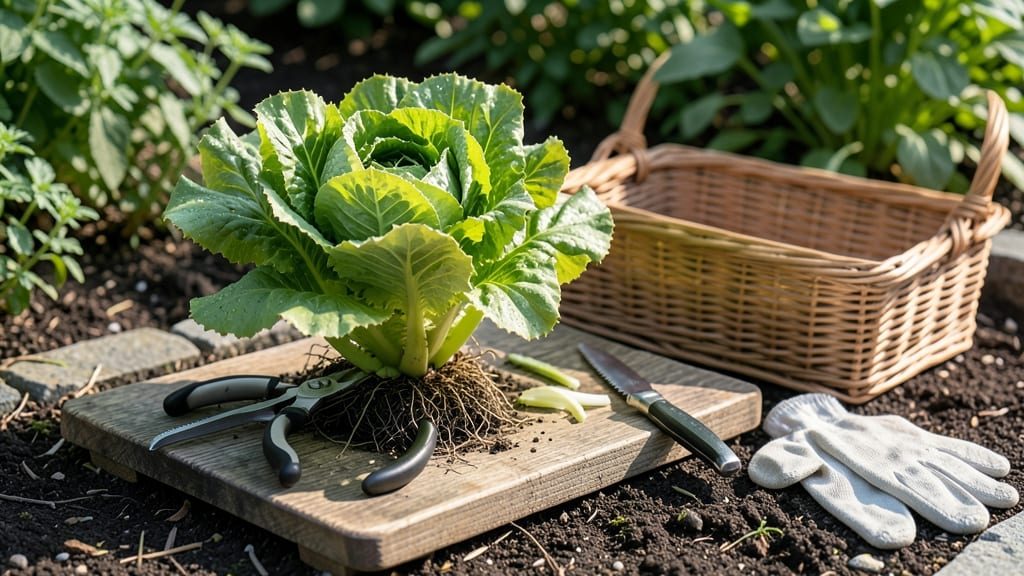
How to cut leaf lettuce from the garden—it tastes best when harvested fresh, and cutting cleanly keeps it crisp while encouraging more growth. 🌿 I learned the hard way that jagged edges and damaged roots mean wilted greens within days. The right technique turns your garden into a steady salad source all season long.
You only need sharp scissors or a clean knife, a bowl of water, and about 10 minutes—no fancy tools required. Cut outer leaves when they're 4-6 inches tall, leaving the inner rosette intact.
This method lets you harvest leaf by leaf for weeks, rather than pulling the whole plant at once.
After cutting, rinse leaves in cool water and store them in a sealed container with a paper towel to absorb moisture. For regrowth, water the base immediately—your lettuce will bounce back with new leaves in just 7-10 days. The key is patience and precision to avoid stressing the plant.
This works for loose-leaf varieties like Buttercrunch or Oakleaf, but avoid it with head lettuces like Iceberg. The same technique applies whether you're harvesting for salads, wraps, or cooking—just adjust how aggressively you cut based on the variety and your needs.
📚 In This Guide
- What you need
- Instructions
- Tips and common mistakes
- Wrapping up and next steps
What you need
- ● Sharp chef’s knife – A 6- to 8-inch knife with a thin, flexible blade (like a santoku or gyuto) for precision cuts.
- ● Cutting board – A large, stable board (12" x 18" or bigger) made of plastic, bamboo, or wood to protect your countertop.
- ○ Clean water – A bowl or sink for rinsing lettuce before cutting (optional but recommended for cleanliness).
- ● Paper towels or clean kitchen towel – For drying leaves to prevent slipping while cutting.
- ○ Gloves (optional but handy) – Nitrile or food-safe gardening gloves if your lettuce is dirty or you prefer extra hygiene.
- ● Salad spinner – For quick drying if you’re prepping for a big salad batch.
- ● Small bowl or colander – To hold cut lettuce while you keep chopping.
- ● Kitchen shears – For trimming tough stems if your knife struggles.
- ● Food-safe sanitizer spray – To wipe down tools before and after use.
- ● Apron or old T-shirt – To keep your clothes clean from stray lettuce bits!
Step-by-step instructions for harvesting leaf lettuce with precision
Here’s how I harvest crisp, blemish-free leaf lettuce—ready for salads or cooking—without stressing the plant.
✂️ Step 1: Choose the Right Lettuce and Timing
Harvest when leaves reach 4-6 inches tall and outer leaves are fully mature but still tender. I always check for bright green color and firm texture—avoid harvesting when leaves look wilted or yellowing, as they’ll be bitter. Leaf lettuce grows continuously, so you can pick outer leaves without harming the center.
Morning is ideal—leaves are crispest after overnight hydration. If your garden’s been dry, water the evening before harvesting to plump up the leaves. Avoid harvesting after rain, as wet leaves bruise easily and attract pests.
🌿 Step 2: Prepare Tools for Clean Cuts
Use a sharp chef’s knife or clean garden shears—dull blades crush lettuce, causing browning and bitterness. I wipe my tools with a damp cloth before cutting to remove any dirt or residue that could contaminate the leaves. Never use scissors or dull blades; they tear fibers and invite rot.
For large batches, I lay a clean cutting board or tray under the lettuce to catch fallen leaves and debris. This keeps your workspace organized and prevents lost harvest. If working directly in the garden, kneel on a small mat or towel to protect both the soil and your knees.
✂️ Step 3: Cut Leaves at the Base for Continuous Growth
Hold the outer leaf firmly and cut it just above the next leaf’s base, leaving at least 1 inch of stem attached to the plant. This encourages regrowth from the center while keeping the plant healthy. Avoid cutting into the inner rosette—you’ll stunt the lettuce’s ability to produce new leaves.
Work your way around the plant, harvesting one outer leaf at a time. If a leaf is damaged or spotted, remove it entirely to prevent disease from spreading. For baby lettuce varieties, you can harvest the whole plant by cutting the stem 1 inch above the soil—just be sure to replant seeds or transplants immediately to maintain your harvest cycle.
💧 Step 4: Rinse and Store for Maximum Freshness
Rinse harvested leaves immediately under cold water to remove dirt and debris. I use a colander and gently swirl the leaves—never soak them, as excess water causes wilting. Pat dry with a clean towel or paper towels, then store in a sealed container lined with a paper towel to absorb moisture.
For short-term storage, keep lettuce in the fridge for up to 5 days. For longer shelf life, wrap the leaves in a dry towel and place them in a plastic bag with a few holes for airflow. If you won’t use the lettuce within a week, consider blanching and freezing it to preserve texture and flavor.
🌱 Step 5: Monitor and Maintain the Plant
After harvesting, check the lettuce for signs of stress like yellowing or wilting. If the center looks sparse, water deeply at the base—1 inch of water per week is ideal, delivered in the morning to prevent fungal growth. Avoid overhead watering, as wet leaves attract pests and diseases.
Fertilize lightly with a balanced liquid fertilizer (like 10-10-10) every 3-4 weeks to encourage regrowth. If your lettuce bolts (sends up a flower stalk), trim the stalk at the base and focus on harvesting the remaining outer leaves—bolting doesn’t always mean the plant is done producing.
Tips & tricks for perfect leaf lettuce harvesting
Here's what I've learned over years of harvesting crisp, restaurant-quality lettuce without damaging the plant.
Timing Secret: The morning after a light watering is your golden window—leaves are hydrated but not soggy. I harvest within 2 hours of sunrise when temperatures are coolest. This prevents wilting and bruising. If you must harvest later, work in the shade and rinse leaves immediately to maintain crispness.
Tool Technique: A sharp knife isn't just about clean cuts—it's about preserving flavor. I use a chef's knife with a 6-8 inch blade for precision. For delicate varieties, switch to clean garden shears. The key is making one smooth motion rather than sawing back and forth. Dull tools crush cells, releasing bitter compounds that ruin the tender flavor we want.
Regrowth Strategy: When harvesting outer leaves, leave that 1-inch stem intact—it's the plant's lifeline. I make my cuts just above where the next leaf begins to form. This creates a clean wound that heals quickly, allowing the plant to produce new leaves within 1-2 weeks. For baby lettuce varieties, cutting the entire plant at the soil line is fine, but only do this once per season to avoid shocking the roots.
Storage Wisdom: The towel trick is non-negotiable—moisture is lettuce's enemy. I store harvested leaves in a sealed container lined with paper towels, then place another towel on top before closing. This two-layer system absorbs excess moisture while maintaining humidity. For longer storage, wrap individual leaves in dry paper towels before bagging—they'll stay crisp for up to 10 days instead of the usual 5.
Pro Tips for Cut Leaf Lettuce From Garden
- Here's what I've learned over years of harvesting crisp, restaurant-quality lettuce without damaging the plant.
- Timing Secret: The morning after a light watering is your golden window—leaves are hydrated but not soggy. I harvest ...
- Tool Technique: A sharp knife isn't just about clean cuts—it's about preserving flavor. I use a chef's knife with a 6...
Frequently asked questions
Got questions about harvesting your homegrown leaf lettuce?
Here are answers to the most common ones—so you can enjoy crisp, clean slices without the guesswork.
When is the best time to harvest leaf lettuce?
Harvest leaf lettuce in the early morning when temperatures are cool (ideally 60–70°F) and the leaves are crisp. Avoid cutting after a heavy rain or when soil is wet—this prevents dirt from sticking to the leaves. For continuous harvests, pick outer leaves first, leaving the inner ones to grow.
Can I use regular kitchen scissors instead of pruning shears?
Yes! Sharp kitchen scissors or even a clean, sharp knife work fine for leaf lettuce. Just ensure your tool is sanitized (rinse with vinegar or soapy water) to avoid contaminating the plant. For larger batches, pruning shears are faster, but scissors give you more control over precision cuts.
What if my lettuce leaves are bitter or tough?
Bitterness or toughness often means the lettuce is bolting (going to seed) due to heat or age. Harvest younger leaves first for milder flavor. If your garden is too hot, try shade cloth or harvest in the shade. For tough stems, trim them off before eating—only use the tender leaves.
How do I store cut lettuce to keep it fresh longer?
Wrap lettuce in a damp paper towel inside a plastic bag (leave it slightly open for airflow) and store in the fridge. For even longer freshness, rinse leaves just before using (not after cutting) and pat dry. Avoid washing and storing—this speeds up spoilage.
Can I regrow lettuce after cutting it?
Leaf lettuce is cut-and-come-again. After harvesting, leave the base (about 1–2 inches tall) in the soil. Keep it watered and shaded (if hot) to encourage regrowth. You’ll get 2–3 more harvests before the plant bolts or gets leggy.
Wrapping up and next steps
Harvesting your homegrown leaf lettuce doesn’t have to be messy—with the right tools and techniques, you’ll enjoy crisp, clean slices every time.
Now that you’re a pro, why not expand your garden? Try growing other leafy greens like spinach or kale, or experiment with different lettuce varieties for year-round harvests. Happy harvesting! 🌱✨