
Picking
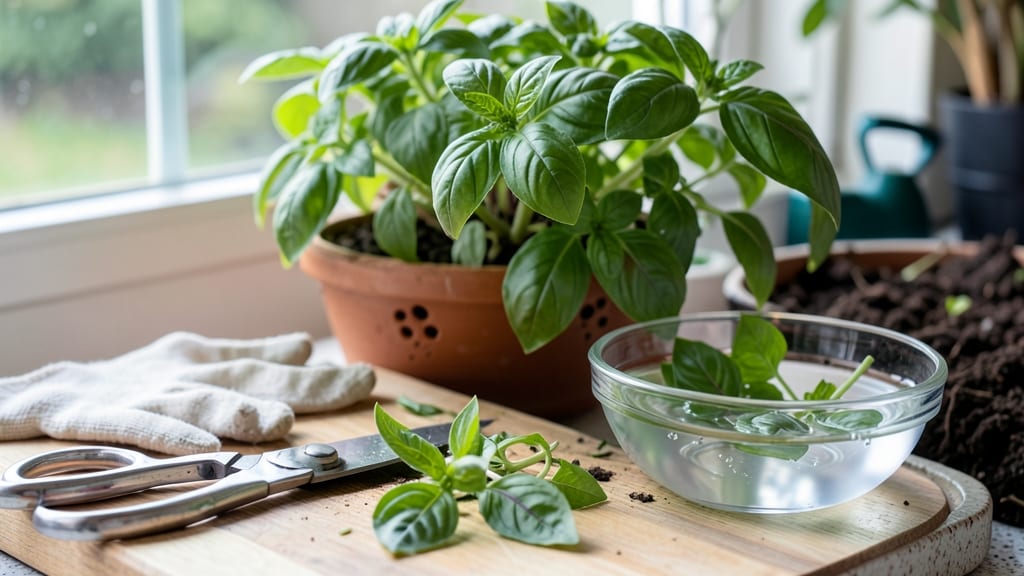
Learning how to harvest herbs without killing the plant can mean the difference between a lush, flavorful garden and a sad, leggy mess. ✨ I’ve learned the hard way—over-pruned basil that bolted, mint that refused to regrow, and rosemary that looked more like a broom than a fragrant bush.
The secret isn’t taking less, but taking smarter.
You only need clean pruning shears, a sharp knife, and a light touch. Cut just above a leaf node (where leaves meet the stem) at a 45-degree angle to encourage new growth.
Avoid stripping leaves—always leave at least half the plant intact, especially for woody herbs like rosemary and thyme.
Timing matters too: harvest before flowering for maximum flavor, and after morning dew evaporates to reduce disease risk. For tender herbs like basil, pinch off the top leaves regularly to keep the plant bushy.
With this method, your herbs won’t just survive—they’ll thrive for years, producing more than you can use.
Even experienced gardeners make mistakes—like harvesting too much at once or using dull tools that tear stems. But once you master these gentle techniques, you’ll have year-round harvests without sacrificing plant health. Let’s get those shears ready!
📚 In This Guide
- What you need
- Instructions
- Tips and common mistakes
- Wrapping up and next steps
What you need
- ● Sharp, clean pruning shears or scissors (bypass pruners work best; avoid dull blades that crush stems)
- ○ Gloves (optional but recommended) – Protect your hands from prickly herbs like rosemary or thyme.
- ● A small container or basket – For collecting harvested herbs (avoid plastic that can trap moisture).
- ● Labeling tags or a notebook – To track what you’ve harvested and when (trust me, you’ll forget!).
- ● Water spray bottle – To mist herbs after harvesting (keeps them fresh longer).
- ○ Ruler or measuring tape (optional) – For precise cutting (e.g., 3–4 inches from the base for perennials).
- ● Disinfectant (rubbing alcohol or hydrogen peroxide) – Wipe tools between cuts to prevent disease.
- ● Paper towels or a clean towel – For drying herbs quickly after harvest.
- ● Twine or rubber bands – To bundle stems for hanging (great for drying!).
- ● Herb-specific harvesting guide – A quick reference for ideal harvest times (e.g., basil in the morning).
Step-by-step instructions for harvesting herbs without killing the plant
Here's how to keep your herbs thriving while harvesting—no more leggy, stressed plants.
✂️ Step 1: Identify the Right Time to Harvest
Harvest your herbs in the morning after the dew has dried but before the sun reaches its peak intensity. This ensures the oils in the leaves are at their most concentrated, giving you the best flavor and preserving plant health. For leafy herbs like basil, parsley, and cilantro, wait until they've developed at least 3-4 sets of true leaves—this means the plant has enough energy reserves to regenerate.
For woody herbs like rosemary, thyme, and oregano, look for new growth at the tips of the stems. The best time to trim these is just as you see new shoots emerging—this encourages bushier growth. Avoid harvesting from the center of the plant where older, woody stems dominate, as this can stunt future growth.
🌿 Step 2: Use the Right Cutting Technique
Always use clean, sharp pruning shears or scissors to make clean cuts. Dull blades crush stems and invite disease. Cut just above a set of leaves or a leaf node—this is where new growth will emerge. For leafy herbs, pinch off individual leaves rather than cutting entire stems. This method prevents shocking the plant and encourages more compact, bushier growth.
For herbs like mint or basil that grow in clusters, cut stems at a 45-degree angle about 1/4 inch above a leaf node. This angle helps water run off the cut and reduces the risk of rot. Never take more than 1/3 of the plant's total foliage in a single harvest—this ensures the plant retains enough energy to recover and continue growing.
⏰ Step 3: Harvest Regularly to Encourage Growth
Herbs grow best when harvested regularly—aim for every 2-4 weeks during the growing season. This frequent pruning stimulates new growth and keeps your plants from becoming woody or leggy. For annual herbs like basil and cilantro, you can harvest even more frequently—every 1-2 weeks—to encourage a steady supply of fresh leaves.
Pay attention to the plant's response after each harvest. If you notice new growth emerging within 1-2 weeks of harvesting, you're on the right track. If the plant looks stressed or stops producing new leaves, you're harvesting too much. Adjust your frequency or reduce the amount you take to let the plant recover.
☀️ Step 4: Post-Harvest Care for Healthy Regrowth
After harvesting, give your plants a little extra care to help them recover. Water the soil deeply to replenish moisture lost during the harvest. Avoid getting water on the leaves, as this can promote fungal diseases. If your herbs are in containers, check the soil moisture by sticking your finger 1 inch into the soil—if it feels dry, it's time to water.
Place your herbs in a spot where they can recover with bright, indirect light for a few days. Avoid direct sunlight immediately after harvesting, as this can stress the plant further. Fertilize lightly with a balanced, water-soluble fertilizer if you notice slow regrowth. This gives the plant a gentle boost without overwhelming it.
🌱 Step 5: Winter Care for Year-Round Harvesting
If you're harvesting herbs in cooler months, reduce your frequency to every 4-6 weeks and avoid cutting back more than 10-15% of the plant at a time. Herbs like rosemary and thyme are more cold-hardy and can tolerate light harvesting even in winter, but leafy herbs like basil will need protection from frost.
Move potted herbs indoors before the first frost, placing them near a south-facing window or under grow lights. Reduce watering slightly in winter, as growth slows and the plant needs less moisture. Prune lightly to shape the plant and remove any dead or yellowing leaves, which can harbor pests or diseases.
Tips & tricks for perfect herb harvesting
A few well-timed tricks can transform your herb garden from stressed to thriving—here's how to keep your plants happy while harvesting.
The Morning Advantage: Harvesting in the morning after dew dries but before peak sun isn't just about flavor—it's about plant stress. The morning's cooler temperatures mean less moisture loss through transpiration, and the oils in leaves are most concentrated. I've seen herbs wilt dramatically when harvested midday, but morning-harvested plants bounce back within hours. For leafy herbs like basil, this timing also prevents the bitter flavors that develop when oils degrade in heat.
Precision Cutting Matters: The 45-degree angle cut for cluster herbs (like mint or basil) might seem fussy, but it's a game-changer for plant health. That slight angle prevents water from pooling on the cut stem, which dramatically reduces rot risk. I learned this the hard way after losing half my mint patch to fungal infections—now I always make those angled cuts. And remember: never take more than 1/3 of the plant at once. That 1/3 rule is your safety net for keeping plants robust.
Seasonal Adjustments: The 2-4 week harvesting schedule works perfectly for summer, but winter demands a different approach. Cold-hardy herbs like rosemary can handle light harvesting every 4-6 weeks, but tender basil needs complete protection from frost. I move my potted herbs indoors before the first frost, placing them near south-facing windows where they get bright but indirect light. This simple seasonal adjustment keeps my herbs producing all year.
Equipment Upgrade: Your kitchen scissors might seem fine, but they're not ideal for herb harvesting. Dull blades crush stems, inviting disease and stressing plants. Invest in a pair of sharp pruning shears (I use Felco F-2) for clean cuts that heal properly. For delicate herbs like dill or chives, I even use small nail scissors—just make sure they're sanitized with rubbing alcohol between uses to prevent cross-contamination.
Pro Tips for Harvest Herbs Without Killing The Plant
- A few well-timed tricks can transform your herb garden from stressed to thriving—here's how to keep your plants happy while harvesting.
- The Morning Advantage: Harvesting in the morning after dew dries but before peak sun isn't just about flavor—it's about plant stress.
- Precision Cutting Matters: The 45-degree angle cut for cluster herbs (like mint or basil) might seem fussy, but it's a game-changer for plant health.
Frequently asked questions
Got questions about harvesting herbs the right way? You’re not alone! Here are some of the most common concerns—and how to tackle them—so you can keep your plants thriving while reaping the rewards.
When is the best time of day to harvest herbs?
The golden rule? Morning is magic! Harvest right after the dew dries (around 6–9 AM) when essential oils are at their peak. Avoid midday heat or evening dampness, as these can degrade flavor and quality. If you must harvest later, choose a shady spot to preserve freshness.
Can I harvest herbs year-round, or do I need to wait for a specific season?
Most herbs are resilient, but timing matters! Perennial herbs (like thyme, rosemary, and oregano) can be harvested lightly year-round, even in winter, as long as they’re protected from frost. Annuals (basil, cilantro) thrive in warm months—harvest until the first frost, then replant in spring. Evergreens like mint and sage? Trim them back in early spring to encourage fresh growth.
What’s the difference between pinching and cutting herbs? Which is better?
Both work, but pinching (removing just the top leaves) encourages bushier growth, while cutting (snipping stems) is better for harvesting larger batches. For leafy herbs (basil, parsley), pinch the outer leaves to avoid stressing the plant. For woody stems (rosemary, lavender), cut just above a leaf node to promote branching.
How do I know if I’m over-harvesting and hurting my plant?
Watch for these red flags: Yellowing leaves, stunted growth, or bare stems mean you’ve taken too much. Rule of thumb: Never remove more than ⅓ of the plant at once, and avoid cutting into the woody center. If your herb looks sad, give it time to recover—it’ll bounce back with proper care!
What’s the best way to store harvested herbs so they stay fresh longer?
Freshness starts post-harvest! Rinse gently (if dirty), pat dry, and store in the fridge wrapped in a damp paper towel inside a plastic bag (for leafy herbs like cilantro). For heartier herbs (thyme, rosemary), hang them upside down in a dry, dark place for 1–2 weeks to cure. Freeze in olive oil or chop and freeze in ice cube trays for later use!
Wrapping up and next steps
Harvesting herbs the right way is all about patience, timing, and technique—not just cutting and forgetting!
By following gentle methods like pruning for regrowth, harvesting in the morning, and leaving enough foliage, you’ll keep your plants thriving for seasons to come. 🌿 Whether you’re a seasoned gardener or just starting out, these simple steps ensure your herbs stay lush, flavorful, and ready for your next recipe.
Ready to put your new skills to work? Start with one herb—like basil or mint—and practice harvesting just a few leaves at a time. Before you know it, you’ll have a bountiful, year-round supply of fresh, homegrown goodness! 🌱