
Picking
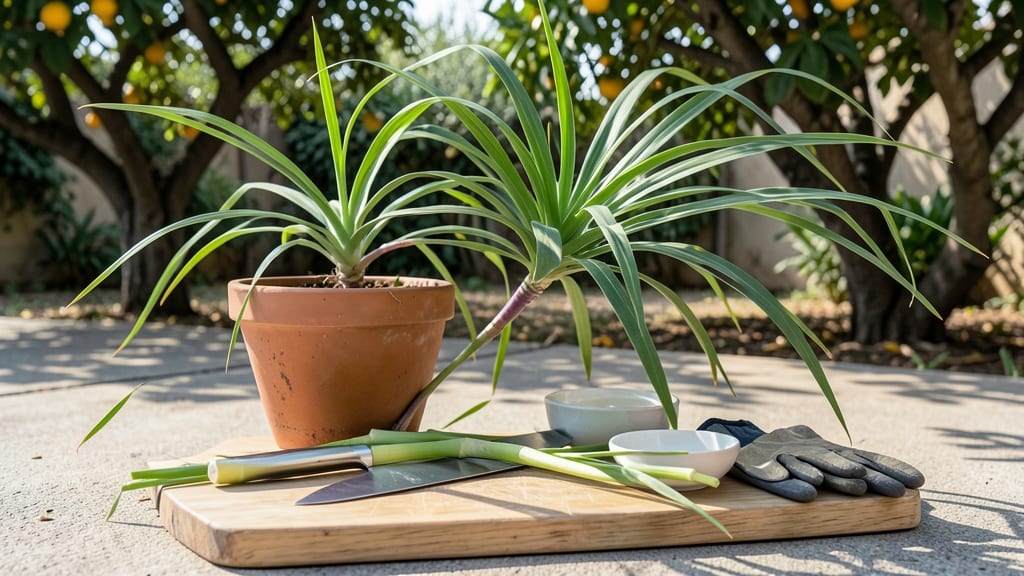
How to harvest and use lemongrass properly starts with timing—thick, pale purple stems with a firm, bright green center pack the most flavor. Cut just above the soil line with clean shears, leaving the roots intact so your plant keeps producing for months.
Freshness is key: store stems upright in a jar of water like flowers, or wrap tightly in damp paper towels in a sealed bag. For long-term use, freeze whole stems or dry them in bundles—just strip the tough outer leaves first.
The roots? Grate them fresh for a potent citrusy kick in marinades or teas.
You’ll use lemongrass in everything from zesty soups to homemade bug repellent sprays. The leaves bruise easily, so handle them gently when crushing for oils or infusions. A single harvest can yield enough for weeks of cooking—just avoid cutting more than a third of the plant at once.
Common mistakes? Harvesting too early (stems will be woody) or too late (bitter, hollow centers). And never trim the leaves—those are where the real flavor lives. With the right timing, you’ll get bold, fragrant stems that outshine store-bought every time.
📚 In This Guide
- What you need
- Instructions
- Tips and common mistakes
- Wrapping up and next steps
What you need
- ● Lemongrass plants – Mature stalks (at least 12–18 inches tall) for optimal flavor and oil content. Aim for 5–10 stalks per harvest if using for cooking or 20+ for larger batches (like teas or infusions).
- ● Pruning shears or sharp knife – A clean, sterilized pair to avoid damaging the plant or spreading disease. Look for a blade with a 4–6 inch reach for precision cuts.
- ○ Gloves (optional but recommended) – Thin gardening gloves to protect your hands from the plant’s slightly abrasive edges and potential sap irritation.
- ● Plastic bag or container – A breathable paper bag or mesh produce bag to store harvested stalks (avoid airtight containers to prevent mold).
- ● Water spray bottle – To rinse off dirt or debris after harvesting.
- ● Cutting board or clean surface – A non-porous board (like bamboo or plastic) to trim lemongrass before use.
- ● Pest control (if needed) – Neem oil or insecticidal soap to treat aphids or mites if your plants show signs of damage.
- ● Food processor or mortar & pestle – For grinding fresh lemongrass into pastes or oils (great for marinades or skincare!).
- ● Drying rack or dehydrator – To preserve lemongrass for later use (aim for low heat, 95–115°F to retain oils).
- ● Freezer-safe bags – For storing chopped lemongrass in ice cube trays with water or oil (perfect for quick cooking!).
- ● Essential oil diffuser – If you’re extracting lemongrass oil for aromatherapy (requires a steam distillation kit or professional help).
Tips & tricks for perfect lemongrass harvesting and usage
Here’s what nobody tells you about maximizing lemongrass flavor—these tricks make all the difference between good and extraordinary.
Selection is Everything: In Step 1, when choosing stems, pay close attention to the base—it should feel dense and firm, like a ripe avocado. If you accidentally pick a woody stem, simply discard it; the flavor difference is night-and-day. I’ve found that stems harvested in the morning have the most concentrated oils, likely because the plant’s moisture content is highest after overnight watering.
Pounding Technique Matters: During Step 2, when pounding the lower 4-6 inches of the stem, don’t go overboard. You’re not trying to pulverize it—just enough pressure to see that faint white liquid emerge. Think of it like gently massaging a muscle: enough to activate the flavors without damaging the fibers. This step is what transforms ordinary lemongrass into aromatic powerhouse.
Storage Secrets: The fridge storage tip in Step 2 works best when you wrap the stems in a damp paper towel rather than plastic. The moisture mimics the plant’s natural environment, keeping the oils fresh for up to 2 weeks. For freezing, I recommend cutting the stems into 3-inch pieces before freezing—this makes them easier to handle later when you’re ready to use them in recipes.
Tea Steeping Precision: When making tea in Step 3, the 10-15 minute range is your flavor sweet spot. Start tasting at the 10-minute mark—you’ll notice the initial bright citrus notes. If you let it steep to 15 minutes, you’ll pick up subtle herbal undertones, but it risks becoming bitter. For a balanced cup, I aim for 12 minutes and adjust based on personal preference.
Pro Tips for Harvest And Use Lemongrass
- Here’s what nobody tells you about maximizing lemongrass flavor—these tricks make all the difference between good and extraordinary.
- Selection is Everything: In Step 1, when choosing stems, pay close attention to the base—it should feel dense and firm, like a ripe avocado.
- Pounding Technique Matters: During Step 2, when pounding the lower 4-6 inches of the stem, don’t go overboard.
Frequently asked questions
Got questions about harvesting and using lemongrass? You’re not alone!
Here are some of the most common queries—plus quick, practical answers to help you make the most of this aromatic herb.
When is the best time to harvest lemongrass?
The ideal time to harvest lemongrass is before flowering—when the stems are tender and packed with flavor (usually 6–12 months after planting). For continuous harvests, trim the outer leaves first, leaving the inner core to regrow. Avoid cutting too close to the base, or you might stunt growth!
How long does fresh lemongrass last?
Store fresh lemongrass in the fridge (wrapped in a damp paper towel) for up to 2 weeks or freeze it for 3–6 months by chopping and packing it in ice cube trays with water or oil. For longer shelf life, dry it in a low oven (200°F/93°C) for 1–2 hours, then store in an airtight container.
Can I substitute lemongrass with something else?
If you’re in a pinch, try these swaps (though nothing matches lemongrass’s unique citrusy punch!):
- Lemon zest + bay leaves (for a hint of brightness)
- Lime juice + a pinch of ginger (in marinades)
- Citronella grass (closer cousin, but milder)
- Store-bought lemongrass paste (check for additives)
How do I remove the tough outer layers?
Peeling lemongrass can be tricky! Start by trimming the root end, then use a sharp knife to slice off the outer layers (about ½ inch thick) until you reach the pale, tender center. For quick prep, smash the stem lightly with a rolling pin to soften it before chopping—no peeling needed!
Why does my lemongrass taste bitter?
Bitter lemongrass usually means it’s overripe, dried out, or exposed to too much sun. Harvest younger stems (under 12 months) for sweeter flavor. If it’s already bitter, blanch it for 2 minutes before using in recipes to mellow the taste. Avoid storing it in direct sunlight or with ethylene-producing fruits (like apples).
Wrapping up and next steps
Harvesting and using lemongrass is a rewarding way to elevate your cooking and wellness routine—whether you’re whipping up fragrant soups, refreshing teas, or natural remedies. 🌿 With just a few simple steps, you can turn this versatile herb into a staple in your kitchen or pantry.
Start small, experiment with recipes, and soon you’ll be enjoying the bright, citrusy benefits of fresh lemongrass year-round!
Next step: Try making a batch of tom yum soup or a soothing lemongrass-infused tea—your taste buds (and body) will thank you! 😊