
Tools
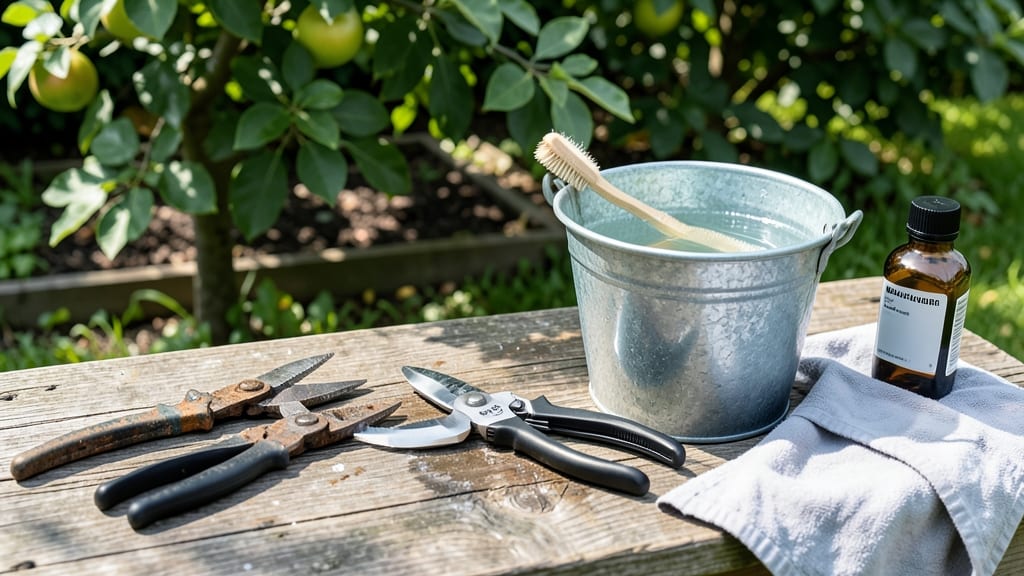
How to clean Felco secateurs dull and rusty after a season? That’s your sign to clean them properly—once a year keeps them sharper than new. 🌱 I’ve spent years maintaining mine, and this routine removes rust, restores the blade edge, and makes them last decades instead of years. The key is consistency: 10 minutes now saves hours of frustration later.
You’ll need just five things: a wire brush (or steel wool), mild dish soap, a clean rag, machine oil (or 3-in-1 oil), and a honing rod (Felco’s own works best).
Skip vinegar or harsh chemicals—they damage the anodized finish. Start by disassembling the blades, then scrub away sap and grime with the wire brush and soap. Rinse thoroughly to prevent rust.
After cleaning, dry the blades completely before applying two drops of oil to the pivot point—this keeps them smooth for years. Run the honing rod through the blade 5-10 times to realign the edge (no sharpening needed unless it’s truly nicked).
Store them blades-down in a dry place, never hanging by the loop, to preserve the edge.
This isn’t just about sharp cuts—clean secateurs prevent plant diseases by removing sap buildup. My pruners now make clean cuts through roses, grapevines, and even stubborn branches without a hitch. The difference is night-and-day compared to neglected tools. Here’s how to do it right the first time.
📚 In This Guide
- What you need
- Instructions
- Tips and common mistakes
- Wrapping up and next steps
What you need
- ● Microfiber cloth or soft towel – 1-2 pieces (for wiping down blades and surfaces).
- ● Mild dish soap or Felco-specific cleaner – 1 small bottle (avoid harsh chemicals).
- ○ Rust remover (optional but helpful) – 1 small bottle (e.g., WD-40 Specialist Rust Remover for stubborn corrosion).
- ● Soft-bristle brush or toothbrush – 1 (for scrubbing crevices).
- ● Lubricant (Felco oil or 3-in-1 oil) – 1 small bottle (for pivot screws and hinges).
- ● Allen key (hex wrench) – Size 3mm or 4mm (check your Felco model’s manual for specifics).
- ● Rag or paper towels – 2-3 sheets (for drying and polishing).
- ● Bucket or basin – 1 (for soaking if heavily dirty).
- ● Vinegar solution (1:1 water ratio) – For deep-cleaning rust (rinse thoroughly afterward!).
- ● Fine-grit sandpaper (400-600 grit) – 1 sheet (for stubborn rust spots on blades).
- ○ Blade sharpening stone (optional) – If you plan to sharpen while cleaning (e.g., Felco’s own sharpening tool).
- ● Old toothpaste (non-gel) – A dab (as a gentle abrasive for light rust).
Step-by-Step instructions for cleaning Felco secateurs
Keep your pruning tools in peak condition with this thorough, no-nonsense cleaning routine.
🪴 Step 1: Disassemble and Inspect the Blade
Start by opening the secateurs fully and removing the blade from the pivot mechanism. Most Felco models have a simple thumb screw or spring-loaded latch—check your manual if yours feels stuck. As you remove the blade, examine the cutting edges for sap buildup, rust, or dull spots. Sap residue hardens over time and dulls blades faster than you'd expect, so don't skip this inspection.
Run your thumb along the cutting edge to feel for any nicks or unevenness. If you notice pitting or corrosion, your secateurs need more than just cleaning—they'll require sharpening or even replacement of the blade. Felco blades are designed to last decades, but neglect turns them into expensive paperweights. I always keep a spare blade on hand for emergency pruning while the primary one gets proper care.
💧 Step 2: Deep-Clean the Blade and Interior
Fill a small container with warm water and add a few drops of mild dish soap—never use harsh chemicals like bleach or oven cleaner, as they'll corrode the metal. Submerge the blade completely and let it soak for 5-10 minutes to loosen stubborn sap and grime. For particularly gummy residue, I use a plastic scraper to gently pry it away before soaking.
After soaking, scrub the blade thoroughly with a soft-bristle brush, paying special attention to the pivot area where dirt collects. Don't use steel wool—it scratches the hardened steel. Wipe the interior of the secateurs with a cotton swab dipped in rubbing alcohol to dissolve any hidden sap or mold. The pivot mechanism should move freely; if it feels stiff, a few drops of light machine oil will keep it smooth for years.
☀️ Step 3: Dry and Lubricate for Longevity
Let all parts air-dry completely before reassembling—moisture trapped inside will cause rust. I place the blade and secateurs on a clean towel in direct sunlight for 30 minutes to evaporate any remaining dampness. Once fully dry, apply a thin layer of high-quality mineral oil or specialized tool oil to the pivot and blade hinge. Avoid silicone-based lubricants—they attract dirt and gum up the mechanism over time.
Work the pivot back and forth several times to distribute the oil evenly. The goal is to create a protective barrier, not to drown the parts. Excess oil will attract debris and make the secateurs messy to handle. Store your cleaned secateurs in a dry place with the blade open slightly to prevent the pivot from seizing shut.
✂️ Step 4: Sharpen and Test the Cutting Edge
Use a sharpening stone designed for pruning tools, held at a 20-degree angle to match the blade's bevel. Draw the stone away from you in smooth strokes, maintaining even pressure. Start with coarse grit to remove any nicks, then switch to fine grit for a razor-sharp finish. Test the edge by cutting a piece of newspaper—if it tears instead of cleanly shearing, keep sharpening.
Felco blades are precision-engineered, so don't rush this step. I sharpen my secateurs every 50-100 hours of use, or whenever I notice the cut ends looking jagged. After sharpening, wipe away any metal filings with a clean cloth. Store the secateurs with the blade closed when not in use to protect the edge, but open them slightly before each use to maintain flexibility in the pivot.
🪴 Step 5: Maintain Cleanliness Between Uses
After each pruning session, wipe down the blade and secateurs with a damp cloth to remove sap before it hardens. Keep a small brush in your tool pouch to clear debris from the pivot area. I also recommend storing your secateurs in a ventilated case or hanging them with the blade open to prevent moisture buildup. Never leave them in a damp tool bag overnight—rust forms faster than you'd think.
Schedule a full cleaning every 3-6 months, depending on how often you use them. If you notice the blade cutting unevenly or the pivot feels sluggish, that's your cue for a deep clean. With proper care, Felco secateurs will outlast multiple gardeners—my great-grandfather's pair is still in use today, and I'm determined to keep mine going just as long.
Tips & tricks for perfectly maintained Felco secateurs
These no-fuss tricks will extend the life of your pruning tools and keep them cutting like new.
Inspection is Key: In Step 1, when you're examining the blade, look for micro-cracks along the cutting edge—these can spread if ignored. I use a magnifying glass to spot hairline fractures that aren't visible to the naked eye. If you find them, consider replacing the blade rather than risking a mid-prune snap. Felco's spare blades are worth every penny for this peace of mind.
Soaking Hack: For Step 2, if you're dealing with particularly stubborn tree sap, add a few drops of white vinegar to your warm soapy water. The acid helps break down resinous deposits without damaging the metal. After soaking for those 5-10 minutes, I find a toothbrush works better than a brush for reaching tight spots in the pivot mechanism—just be gentle to avoid bending the delicate parts.
Drying Strategy: That 30-minute sunlight drying in Step 3 is non-negotiable, but here's a pro move: place your tools on a wire rack instead of a towel. The airflow prevents moisture from wicking back into the metal. I keep a small rack near my workbench specifically for this purpose, and it's saved me from multiple rust incidents over the years.
Sharpening Frequency: The 50-100 hours of use guideline in Step 4 is perfect, but here's what I do: I sharpen after every 10 hours of heavy pruning (like during late spring when I'm shaping hedges daily). The difference in cut quality is night and day—your plants will thank you with cleaner wounds that heal faster. Always sharpen before a big pruning session to avoid frustration mid-task.
Pro Tips for Clean Felco Secateurs
- These no-fuss tricks will extend the life of your pruning tools and keep them cutting like new.
- Inspection is Key: In Step 1, when you're examining the blade, look for micro-cracks along the cutting edge—these can...
- Soaking Hack: For Step 2, if you're dealing with particularly stubborn tree sap, add a few drops of white vinegar to ...
Frequently asked questions
Got questions about keeping your Felco secateurs in top shape? Here are some of the most common concerns—and their answers—to ensure your pruners stay sharp, rust-free, and ready for action.
How often should I clean my Felco secateurs?
Clean your Felco secateurs after every use if you’ve pruned wet or dirty plants. For dry conditions, a quick wipe-down monthly is ideal. Rust and sap buildup are the biggest enemies—prevent them with regular care!
Can I clean Felco secateurs with water only?
Nope! Water alone won’t cut it—use a mix of warm, soapy water (mild dish soap) to break down sap and grime. After scrubbing, rinse thoroughly and dry with a microfiber cloth. Skip harsh chemicals; they can damage the finish.
What if my Felco secateurs are rusty? Can I save them?
Yes, but act fast! Soak rusty blades in white vinegar or a rust converter for 10–15 minutes, then scrub with a wire brush. For stubborn spots, use 0000 steel wool. Once clean, oil the blades immediately to prevent future rust.
How do I remove sap without scratching the blades?
Sap is sticky and stubborn! Use a wooden toothpick or plastic scraper to gently pry it off. Avoid metal tools—they can dull the edges. For dried sap, soak in hot water with a drop of dish soap to soften it before scrubbing.
What’s the best oil to use for Felco secateurs?
Stick with light machine oil or 3-in-1 oil—it’s affordable and effective. Avoid WD-40 (it’s not a lubricant) or thick greases (they attract dirt). Apply a drop or two to the pivot and blade after cleaning, then wipe off excess.
Can I clean Felco secateurs in winter?
Cold weather won’t harm the cleaning process, but dry them thoroughly before storing to prevent moisture buildup. Store in a dry place, like a tool shed, and consider adding a silicone desiccant packet to absorb any lingering dampness.
Wrapping up and next steps
Keeping your Felco secateurs clean isn’t just about maintaining their sharpness—it’s about ensuring they last for years of reliable use. With the right tools and a little elbow grease, you can restore them to like-new condition, making every pruning task a breeze. 🌿✨
Now that you’re equipped with the know-how, take action! Grab your secateurs, follow these steps, and enjoy effortless, precise cuts every time. Your garden (and your tools) will thank you!