
How To
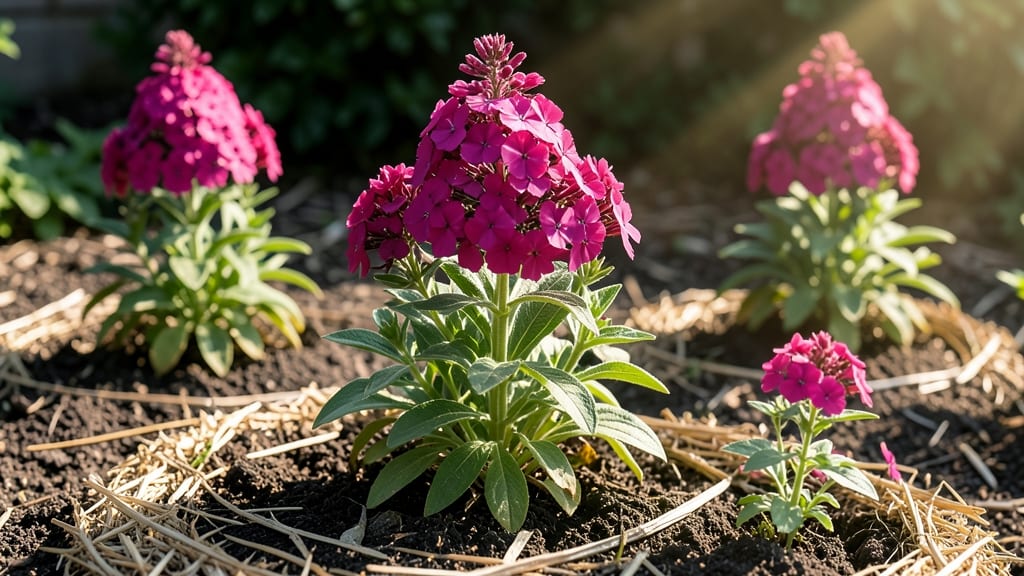
How to grow tall phlox reaching 5 feet high with clusters of fragrant blooms transforms any garden into a showstopper. 🌸 I’ve learned the hard way—skipping soil prep or watering wrong means leggy stems and sparse flowers. The secret? Rich, well-draining soil and consistent moisture from spring through summer. Start with full sun (6+ hours daily) and amend heavy clay with compost. Plant in early spring or fall, spacing them 2-3 feet apart for airflow. Mulch to retain moisture, and fertilize lightly in early spring—too much nitrogen makes them flop. Prune back one-third after blooming to encourage a second flush.
📚 In This Guide
- What you need
- Instructions
- Tips and common mistakes
- Wrapping up and next steps
What you need
- ● Phlox plants or seeds: Choose tall phlox varieties like Phlox paniculata (e.g., 'David,' 'White Supreme,' or 'Lavender Lace').
- ● For seeds: 1–2 packets (500–1,000 seeds per packet) for a full border.
- ● For transplants: 3–5 mature plants (spaced 18–24 inches apart).
- ● Well-draining potting mix or garden soil: 50% topsoil + 50% compost (or use pre-mixed perennial garden soil).
- ● For containers: 1–2 gallons of lightweight potting mix per plant.
- ● Fertilizer: Balanced 10-10-10 or 5-10-10 granular fertilizer (1 cup per 10 sq ft).
- ○ Optional: Slow-release rose/perennial fertilizer for extra blooms.
- ● Mulch: 2–3 inches of wood chips, straw, or shredded bark (helps retain moisture).
- ● Watering can or hose with a gentle spray nozzle.
- ● Garden gloves (to protect your hands from thorns or soil).
- ● Pruners or shears: Clean, sharp bypass pruners for trimming dead blooms or shaping.
- ○ Stakes or supports (optional but helpful): 3–4 6-inch wooden stakes or bamboo garden supports per plant (if phlox leans or flops).
- ● Epsom salt: 1 tbsp dissolved in water (monthly feed for taller stems).
- ● Slow-release fertilizer spikes (for container-grown phlox).
- ● Garden twine or plant ties (to secure floppy stems to stakes).
- ● Soil pH tester: Aim for 6.0–7.0 (phlox loves slightly acidic to neutral soil).
- ● Drip irrigation kit (for consistent moisture in dry climates).
Step-by-step instructions for growing tall phlox
Here's how to coax those dramatic, towering blooms from your phlox—it's all about light, soil, and a little patience.
🌱 Step 1: Choose the Right Location and Prepare the Soil
Tall phlox thrives in full sun to partial shade, with at least 6 hours of direct sunlight daily. I always pick a spot where the afternoon sun won’t scorch the plants—morning sun with afternoon shade works beautifully. Dig a hole twice as wide as the root ball but only slightly deeper to encourage surface root growth.
Amend the soil with 2-3 inches of compost mixed into the top 12 inches of soil. Tall phlox prefers well-draining, slightly acidic soil (pH 6.0-7.0). If your soil is heavy clay, add a handful of perlite or coarse sand to improve drainage. The goal is loose, airy soil that holds moisture without becoming waterlogged.
☀️ Step 2: Plant at the Correct Depth and Spacing
Place the phlox plant so the top of the root ball sits just below soil level—burying the stem too deeply can cause rot, while planting too shallowly leaves roots exposed. Space plants 18-24 inches apart to allow for air circulation and future growth. Crowding leads to weak stems and fewer blooms.
Fill the hole with soil, pressing gently to remove air pockets but not compacting too firmly. Water deeply right after planting to settle the soil and encourage root contact. You’ll know it’s right when the soil surface looks evenly moist but not soggy—phlox roots need oxygen, not a swamp.
💧 Step 3: Water Consistently and Fertilize for Height
Keep the soil evenly moist but never soggy during the first growing season. Water deeply 1-2 times per week, depending on rainfall, until the plants establish strong roots. You’ll see this when new growth appears in 4-6 weeks—that’s your cue to taper back to regular maintenance watering.
Feed with a balanced, slow-release fertilizer (10-10-10) in early spring and again after the first flush of blooms. Tall phlox responds well to a light top-dressing of compost in late summer to fuel next year’s growth. Avoid high-nitrogen fertilizers—they promote leafy growth at the expense of those towering flower spikes.
✂️ Step 4: Prune Strategically for Stronger Stems
Cut back last year’s stems to 4-6 inches tall in early spring before new growth begins. This removes dead foliage and encourages fresh, vigorous shoots. As the season progresses, remove spent blooms by snipping just above a set of leaves. This deadheading trick tells the plant to redirect energy into producing more flowers instead of setting seed.
If your phlox starts to flop under the weight of its own blooms, tie the stems to sturdy stakes or a small trellis. I use soft garden twine—it’s gentle on stems but strong enough to support the weight. Avoid pruning in late summer, as new growth won’t have time to harden off before winter.
🌿 Step 5: Mulch and Protect for Winter Hardiness
Spread 2-3 inches of organic mulch around the base of the plants in late fall. This insulates the roots from temperature swings and retains moisture. I prefer shredded bark or straw—both break down slowly and improve soil structure over time. Keep the mulch 2 inches away from the stems to prevent rot.
Tall phlox is hardy in zones 3-9, but a thick layer of mulch gives it extra protection in colder climates. In late winter, before new growth appears, remove any dead foliage but leave the mulch in place. The contrast between fresh green shoots and the mulch is one of my favorite signs that spring is truly here.
Tips & tricks for perfect tall phlox growth
Here's what nobody tells you about growing phlox that'll make all the difference between average blooms and showstopping height.
Light Strategy: Those 6 hours of sunlight are non-negotiable, but timing matters more than you think. I've learned the hard way that afternoon sun in hot climates can scorch leaves—morning sun with afternoon shade is the golden ticket. If you're in a particularly hot zone, consider a light shade cloth for peak afternoon hours during summer. The goal is to maximize light without stressing the plants.
Soil Science: The 2-3 inches of compost mixed into the top 12 inches of soil creates the perfect environment, but don't stop there. Test your soil pH first—if it's outside that 6.0-7.0 range, amend with sulfur (to lower pH) or lime (to raise it) before planting. I've seen phlox thrive in soil that looked perfect until we tested it—always know your starting point. For heavy clay soils, that handful of perlite isn't just about drainage; it's about creating air pockets that roots desperately need.
Watering Wisdom: Those 1-2 weekly waterings during the first growing season are crucial, but timing is everything. Water deeply in the morning so the foliage has all day to dry—wet leaves at night invite fungal problems. And here's the thing about that 4-6 week window: if you see new growth appearing before 4 weeks, you're probably overwatering. The soil should feel like a damp sponge, not a soggy washcloth. Once established, phlox is remarkably drought-tolerant, but you'll sacrifice height and bloom quantity if you neglect it early on.
Pruning Precision: When you're cutting back those last year's stems to 4-6 inches in early spring, think vertically. Make clean cuts just above a set of leaves that faces outward—this encourages bushier growth and prevents the plant from looking leggy. And that deadheading? It's not just about looks. Every time you snip off spent blooms, you're telling the plant to put its energy into producing more flowers instead of seeds. I deadhead mine every 2-3 days during peak bloom—it keeps them flowering for weeks longer than if I left them to go to seed.
Pro Tips for Grow Tall Phlox
- Here's what nobody tells you about growing phlox that'll make all the difference between average blooms and showstopping height.
- Light Strategy: Those 6 hours of sunlight are non-negotiable, but timing matters more than you think.
- Soil Science: The 2-3 inches of compost mixed into the top 12 inches of soil creates the perfect environment, but don't stop there.
Frequently asked questions
Got questions about growing tall phlox to its full, show-stopping potential? You’re not alone! Here are answers to the most common queries—so you can cultivate those dreamy, towering blooms with confidence.
How tall can phlox actually grow, and what’s the secret to maximizing height?
Tall phlox (like Phlox paniculata) typically reaches 2–4 feet with proper care. To encourage height, plant in full sun (6+ hours daily), use well-draining soil, and fertilize lightly with a balanced, low-nitrogen mix in early spring. Avoid overcrowding—space plants 18–24 inches apart for airflow and support. Pinch back stems in early summer to promote bushier, stronger growth!
When is the best time to plant tall phlox for the tallest stems?
Plant in early spring (after the last frost) or early fall for the best results. Spring planting gives roots time to establish before summer heat, while fall planting allows roots to grow in cool weather. Avoid transplanting in extreme heat or cold—both stress plants and stunt growth. If you’re dividing existing phlox, do it in spring or fall for minimal shock.
Why isn’t my phlox growing tall, even with full sun and good soil?
Several factors could be holding your phlox back:
- Poor drainage: Soggy soil = root rot. Amend clay soil with compost or sand.
- Over-fertilizing: Too much nitrogen = leafy growth, fewer flowers. Use a low-nitrogen, high-phosphorus fertilizer instead.
- Pests/disease: Check for aphids, slugs, or powdery mildew (common in humid climates). Prune affected leaves and treat with neem oil if needed.
- Overcrowding: Phlox needs space to stretch. Thin out plants or divide clumps every 3–4 years.
Can I grow tall phlox in containers, and how do I keep it from flopping over?
Use a large container (at least 12–14 inches deep) with drainage holes and a lightweight potting mix. For support, plant near a tall trellis, stake, or obelisk and gently tie stems as they grow. Deadhead spent blooms to encourage more flowers. Bonus tip: Add a slow-release fertilizer at planting time for a nutrient boost without overfeeding!
What are some tall phlox varieties that thrive in partial shade?
While most tall phlox loves sun, these varieties tolerate partial shade (4–6 hours of sunlight daily):
- Phlox paniculata ‘David’ – Lavender blooms, heat-tolerant.
- Phlox paniculata ‘White Supreme’ – Pure white, fragrant, and sturdy.
- Phlox paniculata ‘Blue Paradise’ – Deep blue-purple, great for cooler climates.
For shadier spots, pair phlox with hostas or ferns to create a lush, layered look. Just ensure the soil stays moist but not waterlogged.
Wrapping up and next steps
Growing tall phlox is a rewarding journey that blends patience, the right conditions, and a little love—and now you’ve got all the tools to succeed! 🌸 From selecting the perfect Phlox paniculata variety to mastering soil prep, sunlight balance, and deadheading, every step brings you closer to those breathtaking vertical blooms.
Remember, consistency is key: whether it’s watering, fertilizing, or watching for pests, your efforts will pay off in vibrant, towering beauty.
Ready to transform your garden? Grab your gloves, pick a sunny spot, and start planting—your tall phlox dreams are just stems away! For extra inspiration, check out local gardening clubs or phlox enthusiast forums to share your progress and learn from fellow green thumbs. Happy growing! 🌿✨