
How To
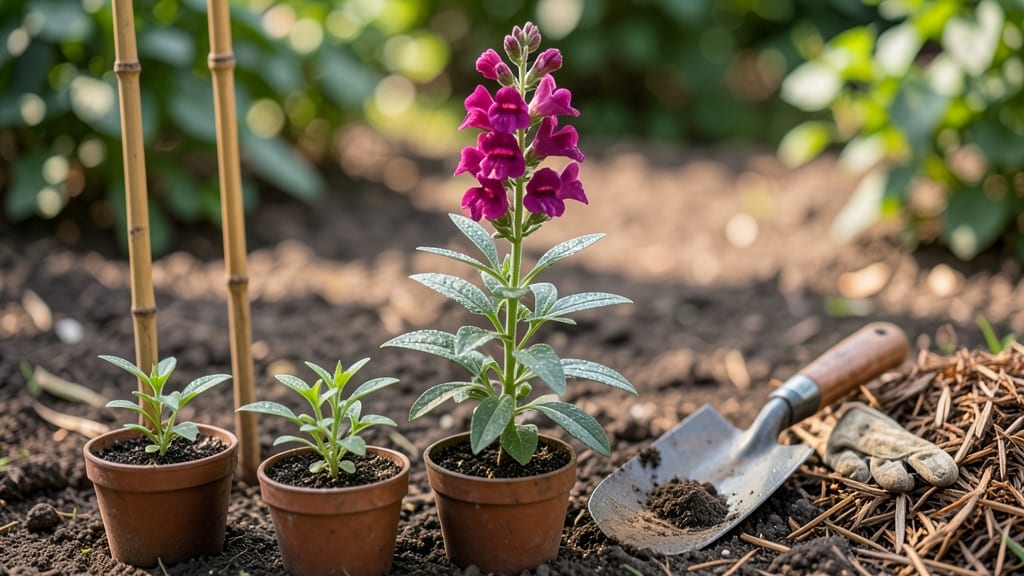
How to grow tall snapdragons like nature’s own spires is all about the right soil, spacing, and a little strategic support—because without it, those elegant stems flop like overgrown weeds. Start with well-draining soil mixed with compost, and space plants 12-18 inches apart to prevent crowding. Full sun (6+ hours daily) fuels their growth, while consistent moisture keeps stems sturdy. When they hit 2-3 feet tall, add 3-foot stakes or a tomato cage to prevent toppling—prune leggy stems early to encourage bushier growth and more blooms.
By midseason, you'll have 4-foot-tall towers of color, their faces opening like tiny dragon mouths. The key is deadheading spent blooms to prolong flowering and pinching back tips to prevent flopping. Even in heat waves, these plants stay bold and upright with the right care.
📚 In This Guide
- What you need
- Instructions
- Tips and common mistakes
- Wrapping up and next steps
What you need
- ● Snapdragon Seeds or Seedlings: Choose tall varieties like 'Black Knight', 'Rocket Mix', or 'Dragonfly' (60-72" mature height).
- ● Quantity: 10-20 seeds per stake (or 3-5 seedlings per stake for faster growth).
- ● Support Stakes: Bamboo or metal tomato cages (5-6 ft tall) OR
- ● Individual wooden or plastic stakes (4-5 ft long, ½" diameter).
- ● Quantity: 1 stake per 3-4 plants (group seedlings for stability).
- ● Well-Draining Potting Mix: 50% garden soil + 50% compost or peat moss (for loose, airy roots).
- ● Add perlite or vermiculite (1 part per 5 parts soil) to improve drainage.
- ● Containers or Garden Bed: Containers: 12" deep pots (1 plant per pot) or 18" wide troughs (3-4 plants per stake).
- ● Garden beds: Full sun (6+ hours/day) with loose, fertile soil (pH 6.7-7.4).
- ● Fertilizer: Balanced 10-10-10 or 5-10-10 granular fertilizer (sprinkle lightly at planting and monthly).
- ● Organic option: Compost tea or worm castings (mix 1 cup per gallon of water).
- ● Watering Can or Hose: With a fine rose nozzle (to avoid disturbing soil).
- ● Pruning Shears: Sharp, bypass pruners (for clean cuts; avoid dull tools that crush stems).
- ● Trellis Netting: Wrap around stakes for extra support (great for windy areas).
- ● Epsom Salt: Sprinkle 1 tbsp per plant every 4-6 weeks for magnesium (boosts height!).
- ● Mulch: Straw or shredded leaves to retain moisture and suppress weeds.
- ● Growth Regulator: Paclobutrazol (follow label instructions to control leggy growth).
- ● Plant Labels: Writeable markers or stakes to track varieties.
Step-by-step instructions for growing tall snapdragons
Here’s how I grow snapdragons that reach their full height—with sturdy stems and vibrant blooms—using proven techniques for support and pruning.
Select and Prepare the Planting Site
Snapdragons thrive in full sun with at least 6 hours of direct light daily, though they tolerate partial shade in hotter climates. Choose a spot with well-draining soil—snapdragons hate soggy roots, which can lead to rot. If your soil is heavy clay, amend it with 2-3 inches of compost mixed into the top 12 inches of soil. This improves aeration and nutrient availability.
Test the soil pH before planting; snapdragons prefer a slightly acidic to neutral range of 6.0-7.0. If your soil is too alkaline, work in sulfur or peat moss to lower the pH gradually. I always dig a hole twice as wide as the root ball to encourage outward root growth, which stabilizes taller stems against wind.
Plant with Proper Spacing and Support
For tall snapdragons, plant seeds ¼ inch deep in rows spaced 12-18 inches apart, with individual plants 10-12 inches apart. This spacing prevents overcrowding, which weakens stems and invites disease. If starting from transplants, space them 18 inches apart to give mature plants room to develop strong root systems.
Install 3-foot stakes or tomato cages at planting time—don’t wait until the plants are leggy. Tie the main stem loosely to the stake with soft plant ties as it grows. I use jute twine because it’s gentle on stems and biodegradable. Avoid wire ties, which can cut into the stems as the plant thickens.
Water Deeply and Maintain Consistent Moisture
Water deeply once a week, aiming for 1 inch of water per week, including rainfall. Snapdragons are drought-tolerant once established, but inconsistent moisture leads to weak stems and poor flowering. Water at the base of the plant in the early morning to reduce evaporation and fungal risks.
After the first 4-6 weeks, reduce watering slightly to encourage deeper root growth. Yellowing leaves at the base often signal overwatering, while crispy edges mean the plant is thirsty. Mulch with 2-3 inches of straw or shredded leaves to retain moisture and suppress weeds—just keep it 2 inches away from the stem to prevent rot.
Prune for Height and Blooms
Pinch back the top set of leaves when seedlings are 4-6 inches tall to encourage bushier growth. This step is critical for tall varieties—without it, stems grow leggy and flop over. Use clean, sharp scissors to make a 45-degree cut just above a leaf node to promote lateral branching.
Deadhead spent blooms weekly by snipping the stem just above the next set of leaves. This redirects the plant’s energy into producing more flowers instead of seed pods. For extra height, remove the lowest side shoots when they reach 3-4 inches to prevent the plant from becoming top-heavy. I always prune in the morning so wounds have time to dry before evening dew sets in.
Fertilize for Strong Stems and Vibrant Blooms
Feed snapdragons with a balanced, water-soluble fertilizer (10-10-10) every 4-6 weeks starting when flowers appear. Too much nitrogen leads to lush foliage but fewer blooms, so I halve the recommended dose. Alternatively, use a slow-release granular fertilizer at planting time for steady nutrition.
Watch for signs of deficiency: yellow lower leaves often mean nitrogen is lacking, while purple-tinged foliage signals phosphorus deficiency. Snapdragons are light feeders, so less is more—over-fertilizing weakens stems and attracts pests. Always water the soil thoroughly after fertilizing to prevent root burn.
Tips & tricks for growing towering snapdragons
These insights will help you coax those dramatic heights from your snapdragons—and keep them standing strong all season.
Seed Starting Precision: The 4-6 weeks before last frost is your window for starting seeds indoors, but timing isn't everything—temperature is. Use a seedling heat mat set to maintain 60-70°F constantly. I learned this the hard way after watching seeds fail to germinate in cooler conditions. If your home runs chilly, place the trays on top of the fridge (not inside) for consistent warmth. The goal is to mimic spring soil temperatures precisely.
Lighting Strategy: Those critical 14-16 hours of light daily can be tricky with natural windows alone. Position your grow light so it's just 2-4 inches above the seedlings—closer for weaker plants, farther for robust ones. I rotate my trays daily to prevent leaning, and switch to a timed grow light (14 hours on/10 hours off) to automate the process. Watch for seedlings that stretch toward light—this means they're not getting enough intensity.
Support System Installation: The 6-foot bamboo stakes or wire cages you install during transplanting are non-negotiable for tall varieties. I've seen snapdragons snap under their own weight when unsupported. Bury the stakes 4 inches deep at planting time, and use soft plant ties that won't cut into stems as they grow. For extra stability in windy areas, consider adding a second stake at a 45-degree angle to create an "X" support structure.
Pruning with Purpose: When you pinch back those top sets of leaves at the 4-5 pairs of true leaves stage, you're not just shaping the plant—you're creating a stronger framework. For the 12-inch height top bud removal, use sharp scissors to make clean cuts just above a leaf node. This encourages branching while preventing disease entry points. I've found that plants pruned this way often produce 20-30% more blooms than unpruned ones.
Pro Tips for Grow Tall Snapdragons
- These insights will help you coax those dramatic heights from your snapdragons—and keep them standing strong all season.
- Seed Starting Precision: The 4-6 weeks before last frost is your window for starting seeds indoors, but timing isn't everything—temperature is.
- Lighting Strategy: Those critical 14-16 hours of light daily can be tricky with natural windows alone.
Frequently asked questions
Got questions about growing tall snapdragons? You’re not alone! Here are some of the most common queries—plus quick, practical answers to help you cultivate those towering blooms with confidence.
How tall can snapdragons grow, and how do I encourage maximum height?
Snapdragons typically reach 2 to 4 feet tall, depending on the variety. For taller plants, choose ‘Rocket’ or ‘Black Prince’ cultivars. Pinch back young plants to encourage bushier growth, then support them with sturdy stakes or cages (3–4 feet tall) as they mature. Avoid over-fertilizing with nitrogen—it promotes foliage over flowers!
When is the best time to plant snapdragons for tallest blooms?
Plant seeds 4–6 weeks before your last frost date (indoors) or directly outdoors 2–3 weeks after frost for spring blooms. For fall color, sow seeds 8–10 weeks before your first frost. Snapdragons thrive in cool weather (50–75°F)—planting in early spring or late summer avoids heat stress, which stunts growth.
Can I grow snapdragons from cuttings, or do I need to start from seeds?
Snapdragons do not root easily from cuttings, so seeds are your best bet. However, you can save seeds from your tallest plants for next year! Collect mature seed pods (they’ll turn brown and papery), dry them, then store in a cool, dark place. Germination rates drop after 1–2 years, so fresh seeds yield the best results.
Why are my snapdragons wilting or drooping, even with plenty of water?
Wilting snapdragons often signal root stress or pests. Check for:
- Overwatering: Snapdragons hate soggy soil. Let the top inch dry between waterings.
- Slugs/snails: Look for chewed leaves or slime trails at night. Use beer traps or diatomaceous earth.
- Powdery mildew: White powder on leaves? Space plants for airflow and avoid wetting foliage.
- Heat stress: If temps exceed 85°F, provide afternoon shade.
Are there dwarf snapdragon varieties that still produce tall flower spikes?
Yes! If you love snapdragons but have limited space, try:
- ‘Tiny Tower’: Grows 12–18 inches tall with 30-inch flower spikes—perfect for containers!
- ‘Tom Thumb’: Compact 12-inch plants with 18-inch spikes.
- ‘Gemstone’ series: Dwarf habit (10–12 inches) but still boasts 24-inch flower stalks.
These varieties thrive in pots and still deliver that iconic snapdragon height!
Wrapping up and next steps
Growing tall, vibrant snapdragons is all about patience, proper care, and a little pruning magic! 🌱 With the right soil, sunlight, and support, you’ll soon be rewarded with towering blooms that add charm to your garden. Don’t forget—regular deadheading and staking keep them reaching for the sky.
Now that you’re armed with these sprawling stakes and pruning secrets, it’s time to roll up your sleeves and get planting! Start with just a few seeds or cuttings and watch your garden transform into a stunning snapdragon paradise. Happy growing! 🌸