
Size
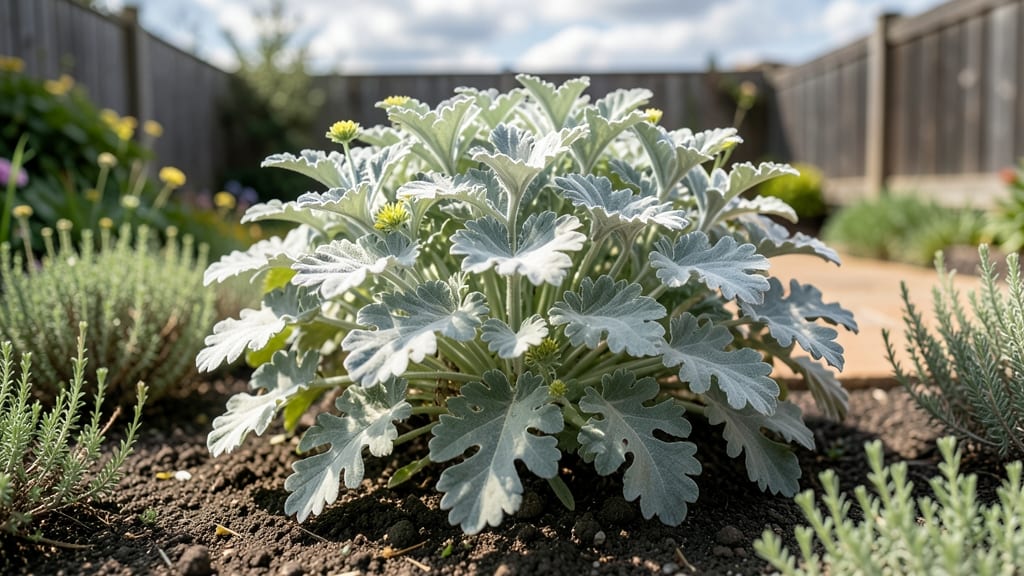
How to grow Dusty Miller plants feels like cheating—silvery foliage that thrives on neglect. ✨ I’ve watched this drought-tolerant perennial turn lackluster gardens into showstoppers with almost no effort. The key? Understanding its love for sun, well-draining soil, and minimal fuss care routine. Most people overwater or plant it in shade, which kills its signature velvety texture. Start with 6+ hours of sunlight daily, sandy or gravelly soil, and water only when the top inch feels dry. Propagation is easy too: divide mature clumps in early spring or take stem cuttings in summer. By midsummer, you’ll have lush, silvery mounds that contrast beautifully with dark foliage or blooming perennials. It even repels pests naturally, making it a low-maintenance workhorse for borders, containers, or rock gardens. For overwintering, cut back dead growth in late winter—it bounces back faster than most perennials. The secret? Dusty Miller doesn’t want coddling; it wants to be left alone after the initial setup.
📚 In This Guide
- What you need
- Instructions
- Tips and common mistakes
- Wrapping up and next steps
What you need
- ● Dusty Miller plants: 1–3 nursery-grown plants (for quick results) or
- ● Seeds (if starting from scratch—germination can be slow!)
- ● Well-draining potting mix: 1–2 bags (look for a blend labeled "cactus/succulent" or add perlite/coarse sand to regular soil).
- ● Containers or garden bed: For pots: 6–12-inch diameter containers (1 per plant).
- ● For in-ground: Full sun spot (6+ hours of sunlight daily) with loose, rocky soil.
- ○ Gloves (optional but recommended): Dusty Miller’s fuzzy leaves can be irritating to sensitive skin!
- ● Hand trowel or small shovel: For transplanting or mixing soil.
- ● Pruning shears: To trim leggy growth or shape plants.
- ● Watering can with a fine rose nozzle: Avoid blasting leaves (they hate wet foliage!).
- ○ Mulch (optional): 1–2 inches of gravel or pebbles to deter weeds and improve drainage.
- ○ Slow-release fertilizer (optional): Balanced 10-10-10 or a granular formula for perennials.
- ● Climate: USDA Zones 5–9 (hardy to -20°F/-29°C).
- ● Sunlight: Full sun (6+ hours daily)—this plant thrives on neglect but needs light!
- ● Watering patience: Dusty Miller is drought-tolerant once established. Overwatering is its #1 enemy!
Step-by-step instructions for cultivating Dusty Miller plants
Here's my go-to method for growing these silvery, drought-tolerant perennials that practically take care of themselves once established.
🌱 Step 1: Choose the Perfect Planting Location
Dusty miller (Artemisia stelleriana) thrives in full sun—at least 6-8 hours of direct sunlight daily. I always plant mine in spots where they won’t be shaded by taller perennials or trees. The silvery foliage reflects heat, so it actually performs better in hot, dry conditions than many other perennials.
Test your spot by observing how much sunlight it gets over a week. If nearby plants are scorched by midday sun, Dusty Miller will likely love it. Amend the soil with 1-2 inches of compost to improve drainage—these plants hate soggy roots. I work the compost into the top 6 inches of soil to encourage strong root development.
🌿 Step 2: Plant at the Right Time and Depth
Spring or early fall planting gives Dusty Miller the best chance to establish before extreme heat or cold. Dig a hole twice as wide as the root ball but only as deep—planting too deep suffocates the crown. Gently loosen the roots if they’re circling in the container to encourage outward growth.
Space plants 18-24 inches apart for mature size. I like to group them in odd-numbered clusters (3, 5, or 7) for a natural, full look. Water deeply right after planting to settle the soil, but avoid overwatering—they’ll tell you when they need more by wilting slightly.
☀️ Step 3: Master the Watering Routine
This is where Dusty Miller earns its "neglect-tolerant" reputation. Water deeply once a week during the first growing season to encourage deep root growth. After that, they’ll survive on rainfall alone in most climates. The silvery leaves are naturally drought-resistant, so you’ll know it’s thirsty when the foliage turns dull gray or starts to crisp at the edges.
Never let them sit in standing water—poor drainage is their #1 killer. If your soil drains slowly, mound a 2-inch layer of gravel at the bottom of the hole before planting. Mulch with 1-2 inches of shredded bark around the base (but keep it 3 inches away from the stem) to retain moisture and suppress weeds.
✂️ Step 4: Prune for Bushier Growth and Winter Prep
Cut back one-third of the plant in early spring before new growth appears. This encourages dense, bushy foliage and prevents leggy stems. I use clean, sharp pruners to make 45-degree cuts just above a leaf node. Avoid shearing the entire plant—random pruning keeps the natural shape while promoting airflow.
In fall, give Dusty Miller a light trim to remove any dead or yellowing leaves. If you’re in a cold climate (below 10°F), cut back by half and apply a 2-inch layer of mulch to protect the crown. The silvery foliage often stays intact through winter, adding texture to dormant gardens.
🪴 Step 5: Divide and Propagate Every 3-4 Years
Dusty Miller spreads slowly but benefits from division every 3-4 years. Dig up the entire plant in early spring, then separate the root clumps with your hands or a clean knife. Replant the largest, healthiest divisions immediately. The smaller clumps make great gifts—just pot them up in sterile potting mix and keep them lightly moist until established.
You’ll know it’s time to divide when the center of the plant looks bare or growth slows. I always label new divisions with the variety and planting date—these plants grow surprisingly fast once they get going. Overcrowding leads to weak, floppy stems, so don’t wait too long between divisions.
Tips & tricks for perfect Dusty Miller cultivation
Took me a while to figure these out, so here goes—these tricks will help you grow Dusty Miller that looks like it belongs in a high-end garden center.
Sunlight Strategy: I've learned the hard way that Dusty Miller won't tolerate even partial shade. If your garden spot gets less than the required 6-8 hours of direct sunlight, consider using reflective surfaces like white walls or mirrors to bounce extra light onto the plants. The silvery foliage needs that sunlight to maintain its signature lustrous appearance. Even just an hour less sunlight can cause the leaves to lose their vibrant sheen and become dull.
Soil Preparation Secret: When amending your soil with 1-2 inches of compost, I recommend mixing in a handful of perlite or coarse sand to create that perfect drainage these plants crave. The key is to avoid compacting the soil around the roots—Dusty Miller hates having its feet wet. After planting, gently press the soil around the base with your fingers rather than stomping it down to maintain good aeration.
Pruning Technique: For that one-third spring pruning in Step 4, I've found that using a pair of clean, sharp pruners makes all the difference. Cut at a 45-degree angle just above a leaf node to encourage new growth from that point. If you're unsure where the leaf nodes are, look for the small bumps along the stem where leaves were previously attached. This technique prevents those unsightly bare stems that can develop from improper pruning.
Winter Survival Hack: In climates where temperatures drop below 10°F, I've had the best luck with a two-step winter protection method. First, cut back by half as instructed, then apply that 2-inch layer of mulch—but add a thin layer of straw or leaves on top of the mulch. This extra insulation can make the difference between plants that survive winter and those that don't. The straw also helps prevent soil compaction from heavy snow.
Pro Tips for Grow Dusty Miller Plants
- Took me a while to figure these out, so here goes—these tricks will help you grow Dusty Miller that looks like it belongs in a high-end garden center.
- Sunlight Strategy: I've learned the hard way that Dusty Miller won't tolerate even partial shade.
- Soil Preparation Secret: When amending your soil with 1-2 inches of compost, I recommend mixing in a handful of perlite or coarse sand to create that perfect drainage these plants crave.
Frequently asked questions
Got questions about growing Dusty Miller plants?
Here are answers to the most common ones—so you can keep your silvery foliage thriving with minimal fuss!
How often should I water Dusty Miller plants?
Water Dusty Miller sparingly—about once a week in summer, less in winter. These drought-tolerant plants hate soggy soil, so let the top inch dry out between waterings. Overwatering is the #1 killer!
Can Dusty Miller survive winter in cold climates?
Yes! Dusty Miller is hardy in USDA Zones 4–9. In colder areas, mulch the base with straw or shredded leaves to protect roots. Prune back dead foliage in early spring to encourage fresh growth.
Why are my Dusty Miller leaves turning brown?
Brown leaves usually mean too much sun (scorch) or underwatering. Move plants to partial shade if leaves crisp, or water deeply but infrequently. If lower leaves brown naturally, trim them—they’re just aging!
Does Dusty Miller bloom? How do I encourage flowers?
Dusty Miller rarely blooms, but if it does, the flowers are small and insignificant. Focus on its stunning foliage instead! Deadhead spent blooms (if any) to redirect energy to leaves. For extra lushness, fertilize lightly with balanced 10-10-10 in spring.
What are some great Dusty Miller alternatives?
If you love the silvery look but need low-maintenance swaps, try:
- Lamb’s Ear (Stachys byzantina) – Soft, fuzzy leaves
- Silver Falls Dichondra (Dichondra argentea) – Trailing silver foliage
- Artemisia ‘Powis Castle’ – Hardy and drought-proof
Wrapping up and next steps
Growing dusty miller plants is a breeze—just give them sun, well-draining soil, and minimal fuss, and they’ll reward you with silvery foliage that brightens any garden. Whether you’re a seasoned gardener or a beginner, these hardy perennials prove that beauty doesn’t require constant care.
Now that you’re armed with the right tips, why not expand your collection or share your newfound knowledge with fellow plant lovers? Happy gardening! 🌿✨