
Size
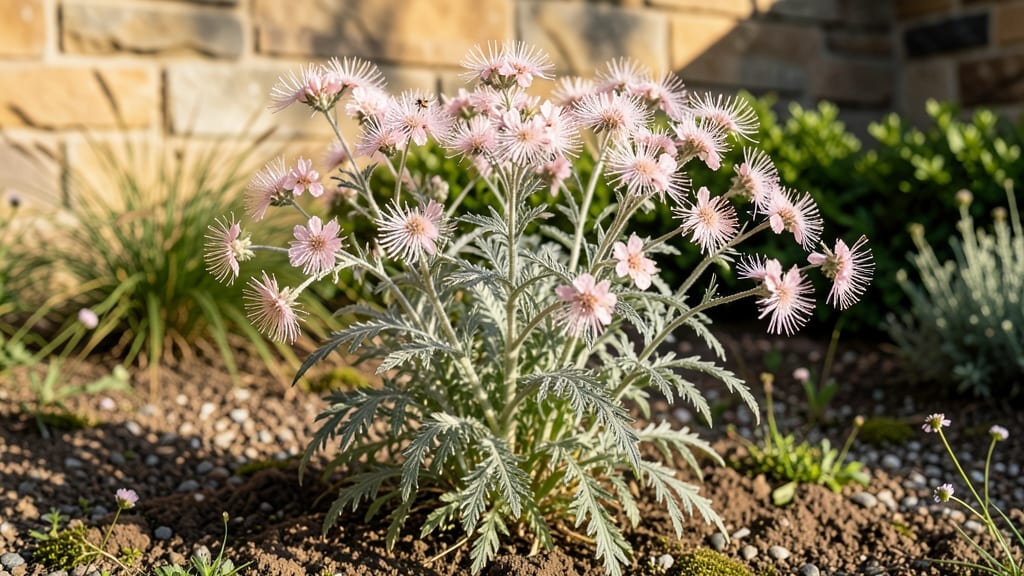
How to grow the gaura plant—its airy blooms dance in summer breezes—no fuss, no drama. 🌿 I've grown these drought-proof beauties for years, and they reward even the most forgetful gardeners with months of delicate pink and white flowers. The secret? They thrive when you ignore them (almost). Start with well-draining soil—gaura hates soggy roots—and plant in full sun where they'll get at least 6 hours of light daily. Spacing matters too: give them 18-24 inches apart to prevent overcrowding. Water deeply after planting, then let nature take over. These plants store moisture like pros, making them perfect for dry climates or busy gardeners. By midsummer, you'll have 3-foot-tall spikes covered in tiny, spider-like blooms that keep coming all season. The best part? Deadheading isn't required—just snip back leggy stems in early spring to encourage fresh growth. Even deer usually leave them alone. Works in borders, cottage gardens, or as a low-maintenance cut flower. Once established, they're basically indestructible. Here's how to get started without overthinking it—because gaura was made for gardeners who'd rather be elsewhere.
📚 In This Guide
- What you need
- Instructions
- Tips and common mistakes
- Wrapping up and next steps
What you need
- ● Gaura plants: Seeds: 20–50 seeds (if starting from scratch)
- ● OR 3–5 nursery transplants (for faster blooms)
- ● Well-draining soil: 5–10 gallons of a mix like: 60% native soil
- ● 30% perlite or coarse sand
- ○ 10% compost (optional for extra nutrients)
- ● Containers (if starting indoors): 4–6" pots (1–2 per seedling)
- ● Sunlight access: Full sun (6+ hours/day) or partial shade (for hot climates)
- ● Watering can or hose: With a gentle spray nozzle
- ● Garden trowel (for transplanting)
- ● Pruning shears (to trim leggy stems or dead blooms)
- ● Mulch (1–2 inches of gravel or straw to retain moisture)
- ○ Fertilizer (balanced 10-10-10 or low-nitrogen option, optional)
- ● Stakes or cages (if your gaura gets top-heavy)
- ● Seed-starting tray (if sowing indoors in early spring)
Step-by-Step instructions for growing gaura plants
Here's the straightforward approach I use to grow gaura—low-maintenance, drought-resistant blooms that reward minimal effort.
🌱 Step 1: Select the Right Location and Prepare the Soil
Gaura thrives in full sun—at least 6-8 hours daily—but tolerates light shade in hot climates. I always choose a spot with well-draining soil because gaura hates soggy roots. If your garden soil is heavy clay, amend it with 2-3 inches of compost mixed into the top 12 inches to improve drainage.
Loosen the soil to a depth of 12 inches with a garden fork or tiller, breaking up any compacted layers. Gaura's roots need room to spread, so avoid areas with dense root competition from trees or shrubs. A slight mound or raised bed helps prevent water pooling around the base during heavy rains.
🌿 Step 2: Plant Gaura at the Correct Depth and Spacing
Dig holes twice as wide as the root ball but only as deep as the container the plant came in. Gently remove the gaura from its pot and tease apart any circling roots with your fingers. Place the plant in the hole so the top of the root ball sits just below soil level—burying the crown too deep can cause rot.
Space plants 18-24 inches apart for single-stem varieties or 24-36 inches apart for bushier types. I like to plant gaura in odd-numbered groupings (3 or 5) for a natural, flowing look. After placing each plant, backfill the hole with soil and press gently around the base to eliminate air pockets.
💧 Step 3: Water Deeply and Establish a Drought-Tolerant Routine
Water immediately after planting to settle the soil and encourage root contact. Give the plants 1 inch of water per week, delivered either through rainfall or irrigation. Gaura's deep roots make it incredibly drought-tolerant once established, but young plants need consistent moisture for the first 4-6 weeks.
I water deeply once a week rather than frequent light waterings. This encourages roots to grow downward in search of moisture, making the plant more resilient. Let the soil dry out completely between waterings—gaura shows stress by wilting slightly, but it bounces back quickly once watered.
☀️ Step 4: Provide Minimal Care and Enjoy the Blooms
Gaura requires almost no maintenance once established. I deadhead spent blooms in early spring to encourage continuous flowering, but this step is optional—gaura often blooms prolifically without intervention. The plant's airy, fern-like foliage adds texture to the garden year-round, even when not in bloom.
Fertilize lightly in early spring with a balanced, slow-release fertilizer (10-10-10) applied at half the recommended rate. Too much nitrogen promotes leafy growth at the expense of flowers. Gaura is generally pest- and disease-free, but I occasionally spray with neem oil if I notice aphids on new growth.
✂️ Step 5: Prune Strategically for Long-Term Health
In late winter or early spring, cut back the previous year's stems by one-third to encourage fresh, vigorous growth. I use clean, sharp pruners to make cuts just above a set of leaves or buds. This pruning also helps maintain an open, airy habit that prevents the plant from becoming too dense.
If gaura becomes leggy or overgrown, I shear it back by half its height in mid-summer. The plant responds quickly with new growth and often produces a second flush of blooms. Gaura spreads slowly via underground runners, so I occasionally divide clumps in early spring if they've become too crowded.
Tips & tricks for perfect gaura plant growth
Took me years to figure out the secrets behind gaura's effortless beauty—here's what actually makes the difference.
Soil Prep Secret: In Step 1, when amending heavy clay soil with compost, I go one step further by mixing in a handful of perlite or coarse sand to that top 12 inches. This creates tiny air pockets that prevent waterlogging while still maintaining moisture retention. Gaura's roots will thank you with vigorous growth rather than struggling through compacted soil.
Planting Depth Insight: The instructions mention placing the root ball just below soil level, but here's what nobody tells you—if your soil is particularly dense, you can actually mound a small ring of gravel around the base after planting. This creates a subtle elevation that prevents water from pooling against the stem during heavy rains, which is especially helpful in clay-heavy soils.
Watering Wisdom: That 1-inch weekly watering guideline in Step 3 is perfect, but I've learned to adjust based on rainfall patterns. If you get consistent 0.5-inch rains, you can skip a week's watering entirely. Gaura's deep taproot system means it can actually handle more drought than most gardeners realize—just watch for that slight wilting before watering again.
Pruning Precision: When cutting back stems by one-third in late winter (Step 5), I always make my cuts at a 45-degree angle just above a leaf node. This creates a larger surface area for new growth to emerge while keeping the plant's natural shape. For mid-summer shearing, I use clean pruning shears and remove only the leggy stems—never more than half the plant's height at once.
Pro Tips for Grow Gaura Plant
- Took me years to figure out the secrets behind gaura's effortless beauty—here's what actually makes the difference.
- Soil Prep Secret: In Step 1, when amending heavy clay soil with compost, I go one step further by mixing in a handful of perlite or coarse sand to that top 12 inches.
- This creates a subtle elevation that prevents water from pooling against the stem during heavy rains, which is especially helpful in clay-heavy soils.
Frequently asked questions
Got questions about growing gaura? You’re not alone! Here are answers to the most common queries—from timing to troubleshooting—to help your drought-tolerant blooms shine with minimal fuss.
How fast does gaura grow?
Gaura is a fast grower! From seed, expect sprouts in 7–14 days, and plants can reach 12–36 inches tall in just 60–90 days under ideal conditions. Once established, it spreads modestly via self-seeding or division. Pro tip: Pinch back young plants to encourage bushier growth.
When is the best time to plant gaura?
For seeds, start indoors 6–8 weeks before your last frost or sow directly in spring after soil warms (60°F+). Transplants thrive when planted in early spring or fall—avoid summer heat, which stresses young roots. Gaura’s drought tolerance means it’s forgiving, but cooler temps help it establish faster.
How often should I water gaura?
Once established, gaura is drought-tolerant—water deeply but infrequently (every 1–2 weeks, depending on heat). New plants need weekly watering to prevent wilting. Overwatering causes root rot, so prioritize well-draining soil (sandy or loamy). Let the top inch dry out between waterings for best results.
Why are my gaura leaves turning yellow?
Yellow leaves usually signal overwatering or nutrient deficiencies. Check soil moisture first—gaura hates soggy roots. If the problem persists, amend soil with compost or use a balanced fertilizer (10-10-10) in early spring. Pests like aphids can also cause stress; spray with water or use neem oil if needed.
Can gaura grow in containers?
Gaura thrives in containers 12+ inches deep with drainage holes. Use a fast-draining mix (add perlite or sand) and repot every 2–3 years. Choose compact varieties like ‘Siskiyou Pink’ for pots. Bonus: Container gaura attracts pollinators and adds vertical interest to patios!
How do I keep gaura blooming all season?
Deadhead spent blooms to encourage continuous flowering, but gaura often self-seeds, so leave some flowers if you love surprises. Cut back leggy stems in early spring to promote fresh growth. For extra blooms, fertilize lightly with low-nitrogen feed (like 5-10-10) in spring. Sunlight is key—6+ hours daily keeps it happy!
Wrapping up and next steps
Growing gaura is a breeze—these drought-tolerant stars reward you with months of delicate blooms while asking for almost nothing! With the right soil, sunlight, and a little patience, you’ll soon enjoy their airy, butterfly-friendly charm.
Now that you’re armed with tips, why not share the love? Snap a photo of your thriving gaura, tag a fellow gardener, or even swap cuttings to spread the joy! 🌸