
Size
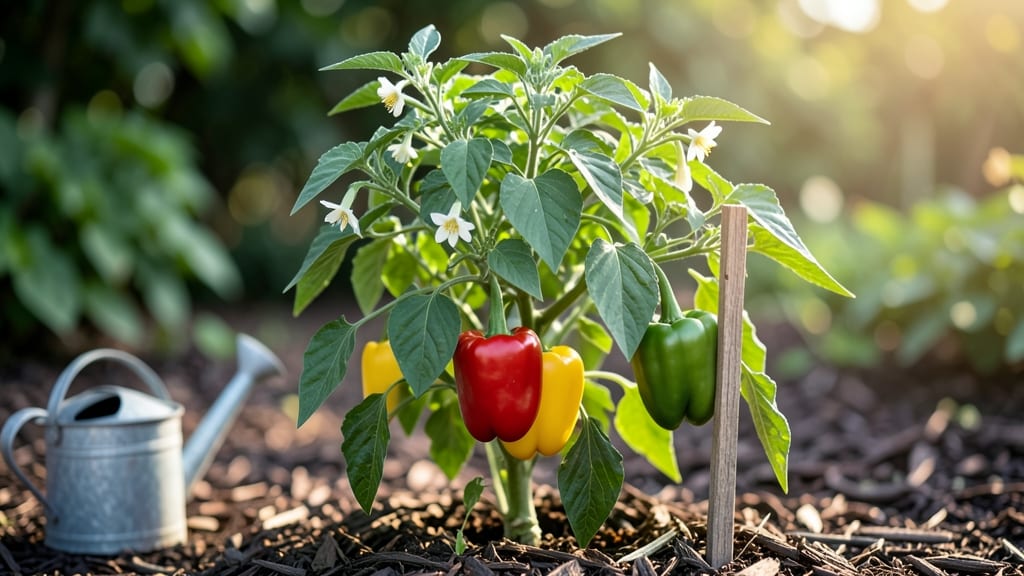
How to grow big bell peppers starts with the right variety and a sun-drenched spot. 🌞 Last summer, my 'Big Beautiful' peppers grew to 12 inches long—double the size of store-bought ones—by following three simple secrets: warm soil, consistent moisture, and strategic pruning. The key isn't just patience; it's understanding when to push growth and when to let the plant breathe.
Most gardeners overlook soil temperature—bell peppers won't germinate below 60°F, and stunted growth happens when roots stay cool. Amend your beds with compost before planting, and use black plastic mulch to warm the soil faster.
I also add a balanced fertilizer at planting and again when flowers appear, but never overdo it—peppers hate soggy roots.
By midsummer, you'll see glossy green monsters hanging from your plants, each one packed with sweetness. The trick to keeping them growing? Prune aggressively—remove suckers early to direct energy into fruit production, and stake tall varieties before they topple.
My biggest lesson? Less is more—too much water or fertilizer leads to cracked peppers or bitter flavors.
This method works for containers too—just use a 5-gallon pot per plant and keep it near a south-facing wall. Whether you're growing in ground or on a balcony, these peppers will outshine everything else in your garden. Let's get those seeds in the ground!
📚 In This Guide
- What you need
- Instructions
- Tips and common mistakes
- Wrapping up and next steps
What you need
- ● Bell pepper seeds: Choose large-fruited varieties like ‘King of the North,’ ‘Black Beauty,’ or ‘California Wonder’ (3–5 seeds per plant).
- ● Potting mix: 10–20 lbs of well-draining, organic potting soil (or a 50/50 mix of garden soil + compost).
- ● Containers or garden bed: Containers: 5–7 gallon pots (1 per plant) with drainage holes.
- ● Garden bed: Full sun (6+ hours/day), loose soil with a pH of 6.0–7.0.
- ● Fertilizer: Balanced 10-10-10 or 5-10-10 NPK (or compost/manure for organic growers).
- ● Watering can or hose: With a gentle spray nozzle to avoid damaging seedlings.
- ● Pruning shears (for trimming excess foliage).
- ● Stakes or cages (to support heavy peppers).
- ● Mulch (straw or shredded leaves to retain moisture).
- ● pH test kit (to monitor soil acidity).
- ● Gloves (for messy soil or thorny plants).
- ● Warmth: Start seeds indoors 8–10 weeks before last frost (or transplant seedlings after soil reaches 60°F+).
- ● Patience: Bell peppers take 70–90 days to mature—plan ahead!
- ● Sunlight: Commit to a sunny spot (no shade allowed!).
Step-by-step instructions for growing big bell peppers
Here's how I grow bell peppers that weigh over a pound each—sun, soil, and timing are the real game changers.
🌱 Step 1: Start Seeds Indoors 8-10 Weeks Before Last Frost
Bell pepper seeds need warmth to germinate, so I begin them indoors using a seed-starting mix in 2-3 inch deep containers. Fill each cell with moistened mix, then press a single seed ¼ inch deep—any deeper and the seedling will struggle to reach light. Cover with a humidity dome or plastic wrap to retain moisture and place in a warm spot (75-85°F).
Keep the soil consistently moist but never soggy—you'll see tiny sprouts in 7-14 days. Once they emerge, remove the dome immediately to prevent damping-off. I like to use a grow light on a timer (14-16 hours daily) to prevent leggy seedlings. Watch for first true leaves (the second set after the initial cotyledons) before transplanting.
☀️ Step 2: Transplant After All Frost Risk Has Passed
Hardening off seedlings is crucial—start 1-2 weeks before transplanting by placing them outside in partial shade for 1-2 hours daily, gradually increasing exposure. Choose a sunny spot with at least 6-8 hours of direct sun—bell peppers are heavy feeders and won't produce well in shade. Amend the soil with 2-3 inches of compost and mix in a balanced fertilizer (10-10-10) at planting time.
Dig holes 18-24 inches apart (peppers need space to grow large) and plant deeply—bury half the stem to encourage strong root development. Water deeply at planting to settle the soil, then mulch with 2-3 inches of straw to retain moisture and suppress weeds. You'll know they're established when new leaves appear within 7-10 days.
💧 Step 3: Water Deeply and Fertilize for Giant Growth
Consistent moisture is key—water 1-1.5 inches per week, more during fruit development. I water at the base in the morning to reduce disease risk, avoiding wetting leaves. Use a drip irrigation system if possible to keep soil evenly moist without overwatering. Yellowing leaves often signal underwatering, while drooping fruit means too much water.
Fertilize every 3-4 weeks with a low-nitrogen, high-phosphorus fertilizer (5-10-10) to encourage fruiting. Stop fertilizing 4-6 weeks before harvest to allow peppers to sweeten. Prune suckers (the small shoots in the leaf axils) to direct energy to fruit production. You'll see blooms in 6-8 weeks, followed by peppers in 70-90 days depending on variety.
✂️ Step 4: Harvest at Peak Ripeness for Best Flavor
Big bell peppers are ready when they reach 8-12 inches long and feel firm to the touch. Harvest with a sharp knife or pruners, cutting the stem ½ inch above the fruit to prevent disease entry. I pick in the morning when temperatures are cooler—peppers stay fresher longer this way. Regular harvesting encourages more production, so don't wait until they turn red or yellow unless you prefer those colors.
Store harvested peppers in the fridge for 1-2 weeks or preserve them by freezing, pickling, or drying. If left on the plant too long, they'll turn soft and lose flavor. I always save a few seeds from my best peppers to grow next year—just let them dry completely before storing in a cool, dark place.
Tips & tricks for perfect giant bell peppers
These sun-loving secrets will help you grow bell peppers that rival grocery store giants—without the chemicals.
Seed-Planting Precision: When planting those ¼-inch deep seeds in your 2-3 inch containers, use a toothpick to create the perfect hole—this prevents crushing the seed. I press it gently but firmly to ensure good soil contact. The 75-85°F warmth is non-negotiable; if your home runs cooler, consider a seedling heat mat. I've seen germination rates drop by 40% when seeds sit in temperatures below 70°F.
Hardening Off Strategy: During that 1-2 week hardening off period, I gradually increase exposure by moving seedlings to sunnier spots each day. Start with just 1-2 hours in partial shade, then progress to full sun by day 5. This mimics natural conditions and prevents shock when you transplant. Watch for any yellowing leaves—this is your first sign of stress.
Soil Science Matters: The 2-3 inches of compost isn't just filler—it's where the magic happens. I mix in worm castings too (about 1 cup per plant) for extra nutrients. The 10-10-10 fertilizer at planting gives them a strong start, but I switch to 5-10-10 after transplanting to focus on fruiting rather than foliage growth. This balance is what turns 6-inch peppers into 12-inch monsters.
Watering Wisdom: That 1-1.5 inches per week measurement might seem vague, but here's how I make it precise: I use a rain gauge or even a tuna can to measure. Water deeply at the base—never overhead—and always in the morning. I've noticed that afternoon watering leads to fungal issues, especially in humid climates. The key is consistent moisture without soggy soil.
Pro Tips for Grow Big Bell Peppers
- These sun-loving secrets will help you grow bell peppers that rival grocery store giants—without the chemicals.
- Seed-Planting Precision: When planting those ¼-inch deep seeds in your 2-3 inch containers, use a toothpick to create the perfect hole—this prevents crushing the seed.
- Hardening Off Strategy: During that 1-2 week hardening off period, I gradually increase exposure by moving seedlings to sunnier spots each day.
Frequently asked questions
Got questions about growing massive bell peppers? You’re not alone! Here are answers to the most common queries—from timing to troubleshooting—to help you cultivate a bumper crop of giant, juicy peppers.
When is the best time to plant bell pepper seeds or seedlings?
Plant seeds indoors 8–10 weeks before your last frost date (or buy seedlings 2–3 weeks before transplanting). Move them outdoors after soil warms to 60°F+—they hate cold! In warm climates (zones 9–11), direct-sow seeds in early spring for a head start.
How long does it take for bell peppers to grow big?
From seed to harvest, expect 60–90 days for mature peppers. Giant varieties (like ‘King of the North’) may take 100+ days. Patience pays off—consistent warmth, water, and fertilizer speed up growth!
Why are my bell peppers small or misshapen?
Small peppers often mean inconsistent watering, poor pollination, or nutrient deficiencies. Hand-pollinate flowers (gently shake plants or use a paintbrush) and ensure 1 inch of water weekly. Overcrowding? Thin plants to 18–24 inches apart for better airflow and size.
Can I grow big bell peppers in containers?
Use a 5-gallon+ pot with drainage holes and a lightweight potting mix. Dwarf varieties (like ‘Patio Snacker’) thrive in containers. Place pots in full sun (6+ hours/day) and fertilize every 2–3 weeks with a balanced feed. Just avoid plastic containers—they overheat roots!
What can I do if my peppers turn yellow or drop off?
Yellowing peppers usually signal overwatering or blossom-end rot (calcium deficiency). Let soil dry slightly between waterings and amend with crushed eggshells or lime. Dropping peppers? Check for underwatering, extreme heat, or pests (like aphids). Prune lower leaves to improve airflow and reduce stress.
Wrapping up and next steps
Growing big, juicy bell peppers is all about patience, the right conditions, and a little extra love—but trust us, it’s worth it! 🌱 With the perfect soil, full sun, and consistent care, you’ll soon be harvesting peppers that put store-bought ones to shame.
Now that you’re armed with these sun-loving secrets, why not take the next step?
- 🌿 Experiment with varieties: Try heirloom or hybrid seeds to see which thrives best in your garden.
- 📝 Document your progress: Keep a gardening journal to track what works (and what doesn’t!).
- 🤝 Share the bounty: Gift your giant peppers to neighbors or preserve them for later—every gardener’s dream!
Happy growing, and may your harvest be legendary!