
Propagation
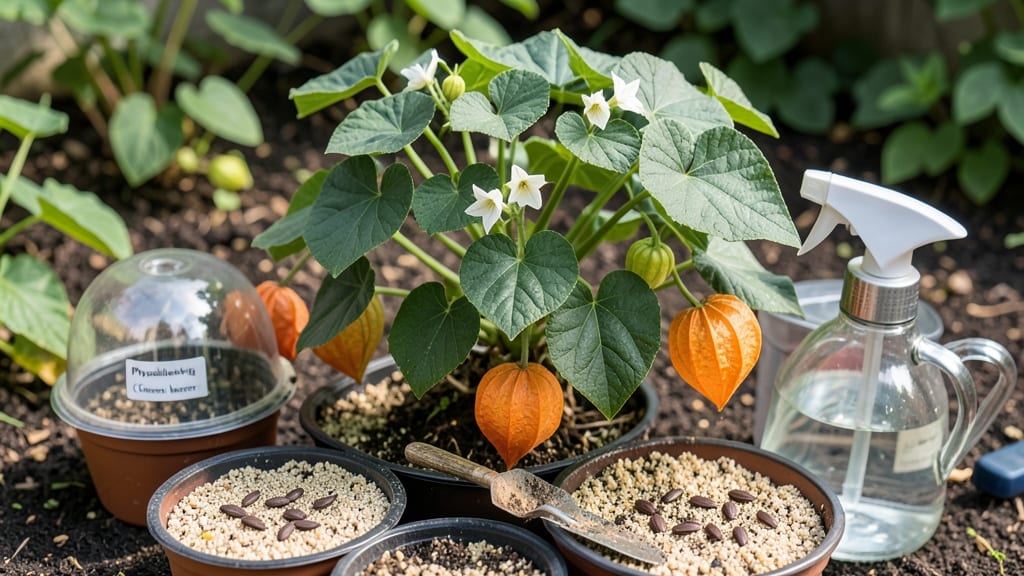
How to grow a Chinese lantern plant from seed reveals a magical secret—those delicate paper lanterns appear like enchantment in fall. Growing Chinese lantern plants from seed is easier than it seems—once you know the germination secrets that make the difference between wilted seedlings and thriving plants.
Start indoors 8-10 weeks before your last frost, using well-draining soil and shallow pots. The tiny seeds need light to germinate, so press them just beneath the surface rather than burying them.
Keep the soil consistently moist (not soggy) and warm—70-75°F speeds things up dramatically. Most seeds sprout within 10-20 days, though some stubborn ones may take longer.
By transplanting outdoors after frost, you’ll watch those lacy leaves unfurl into 3-4 foot plants adorned with golden-orange lanterns that last well into winter. The best part? These plants are edible (berries are tart but delicious) and attract pollinators all season long.
Patience is key—these plants grow slowly at first but reward you with months of color and minimal care once established. Even in shady spots, they thrive, making them perfect for borders, containers, or woodland gardens.
📚 In This Guide
- What you need
- Instructions
- Tips and common mistakes
- Wrapping up and next steps
What you need
- ● Chinese lantern seeds: 5–10 seeds (ensure they’re fresh for best germination).
- ● Seed-starting mix: 1–2 cups of high-quality, well-draining potting soil (sterilized to prevent mold).
- ● Seed trays or small pots: 2–4 biodegradable or plastic containers (3–4 inches deep).
- ● Grow lights or sunny windowsill: A south-facing window or LED grow lights (12–16 hours of light daily).
- ● Spray bottle: For gentle watering to avoid disturbing seeds.
- ● Plastic wrap or humidity dome: To retain moisture during germination.
- ○ Heat mat (optional but helpful): 70–75°F (21–24°C) to speed up germination.
- ● Labels & markers: To track seed varieties and planting dates.
- ● Fertilizer: A balanced, water-soluble fertilizer (5-10-5) for seedlings.
- ● Fungicide: Preemptive treatment to prevent damping-off disease.
- ● Transplanting tools: Small trowel or spoon for moving seedlings.
- ● Garden twine or stakes: For supporting plants as they grow taller.
Step-by-step instructions for growing Chinese lantern plant from seed
Master these germination secrets and you’ll coax vibrant, disease-resistant plants that thrive through fall’s cooler months.
🌱 Step 1: Prepare Seeds and Sow at the Right Time
Chinese lantern plants (Physalis alkekengi) need a long growing season, so start seeds indoors 8-10 weeks before your last frost date. The key is breaking dormancy—soak seeds in warm water for 24 hours before planting. This softens the tough outer coating and speeds germination. Use a sterile seed-starting mix (never garden soil) in 2-3 inch deep pots to prevent damping-off.
Sow seeds ¼ inch deep—any deeper delays germination because seedlings struggle to push through dense soil. Place one seed per cell if using a seed tray, or two seeds per pot if using individual containers. I like to label each pot with the date and variety, since Chinese lanterns can look similar to other nightshades at this stage. Keep the soil consistently moist but never soggy during germination.
💧 Step 2: Provide Ideal Germination Conditions
Germination takes 14-28 days at 65-75°F, so use a seedling heat mat if your home runs cooler. Cover the tray with clear plastic wrap to retain humidity, but remove it immediately once sprouts appear—trapped moisture invites fungal diseases. Place the tray in bright, indirect light (no direct sun yet) until seedlings develop their first true leaves (the second set after the initial cotyledons).
Here’s the thing—if your seeds don’t sprout within 28 days, they may be old. Chinese lantern seeds lose viability quickly, so fresh seeds (from the current year) germinate best. Keep the soil surface evenly damp by misting lightly daily rather than watering from above. Overhead watering can dislodge tiny seedlings or bury them too deep.
☀️ Step 3: Harden Off and Transplant Outdoors
Once seedlings have 3-4 sets of true leaves (about 6-8 weeks after sowing), they’re ready for hardening off. Start by moving them to a protected outdoor spot for 1-2 hours per day, gradually increasing exposure over 10-14 days. Choose a location with partial shade—too much direct sun scorches delicate leaves. Transplant after the last frost when soil temperatures reach at least 55°F.
Dig holes twice as wide as the root ball but no deeper. Space plants 18-24 inches apart—they’ll spread as they mature. Water deeply at transplanting to settle soil around roots, then mulch with 2 inches of organic mulch to retain moisture and suppress weeds. Chinese lanterns thrive in well-draining soil with a pH of 6.0-7.0, so amend heavy clay with compost if needed.
🌿 Step 4: Maintain Through Fall for Optimal Foliage
Chinese lanterns love cool fall weather—they produce their signature lantern-like calyxes when nights grow shorter. Water deeply once a week (or more in extreme heat) and fertilize lightly with a balanced 10-10-10 fertilizer every 4-6 weeks starting when plants are 6 inches tall. Too much nitrogen encourages leafy growth at the expense of those prized calyxes.
Watch for aphids or spider mites—common pests that thrive in dry conditions. I treat early infestations with a soapy water spray (1 tsp mild dish soap per gallon of water) to avoid harsh chemicals. Deadhead spent flowers to redirect energy into new growth. By late fall, the paper-thin calyxes will turn golden-yellow, creating the dramatic display this plant is famous for.
Tips & tricks for germinating Chinese lantern plants
These little-known strategies will help you beat common germination challenges and grow plants that burst with color in fall.
Seed Prep Matters: That 24-hour warm water soak isn't just a suggestion—it's critical for breaking dormancy. Use a glass of warm (not hot) water and let seeds soak at room temperature. I've found that adding a drop of mild dish soap prevents mold growth during this process. After soaking, pat seeds completely dry before planting to prevent fungal issues in the sterile seed-starting mix.
Temperature Consistency: Maintaining 65-75°F is easier said than done in many homes. If your thermostat runs cooler, place the seed tray on top of your refrigerator (not inside) to create a warm microclimate. For warmer homes, move the tray to a cooler spot like a basement corner. I've seen germination rates drop by 40% when temperatures fluctuate more than 5°F during this critical period.
Lighting Strategy: Bright indirect light is key during the first true leaves stage, but too much direct sun can scorch delicate seedlings. I recommend using a grow light on a timer for 12-14 hours daily—this prevents leggy growth while providing consistent light. If using natural light, place trays near an east-facing window where morning sun is gentler.
Transplanting Timing: The 6-8 week mark for hardening off is a guideline, but watch your seedlings' growth rate. If they've developed 3-4 sets of true leaves but are still small, extend the indoor period by 1-2 weeks. I've learned this the hard way—rushing transplanting often leads to stunted plants that struggle to recover in cooler weather.
Pro Tips for Grow Chinese Lantern Plant From Seed
- These little-known strategies will help you beat common germination challenges and grow plants that burst with color in fall.
- Seed Prep Matters: That 24-hour warm water soak isn't just a suggestion—it's critical for breaking dormancy.
- Temperature Consistency: Maintaining 65-75°F is easier said than done in many homes.
Frequently asked questions
Got questions about growing Physalis alkekengi from seed? You’re not alone! Here are answers to the most common queries to help you cultivate stunning Chinese lanterns with confidence.
How long does it take for Chinese lantern seeds to germinate?
Chinese lantern seeds typically germinate in 2–4 weeks when kept in warm, moist conditions (around 70–75°F). Patience is key—some seeds may take longer, especially if soil temps dip below 60°F. For faster results, try a seedling heat mat or a sunny windowsill.
Can I plant Chinese lantern seeds outdoors in early spring?
While you can sow seeds directly outdoors in spring, they thrive best when started indoors 8–10 weeks before the last frost. Young seedlings are sensitive to cold, so transplant them only after soil temps reach 55°F+. If you’re in a cooler climate, wait until late spring to avoid frost damage.
Why aren’t my Chinese lantern seeds sprouting? Troubleshooting tips.
If your seeds aren’t germinating, check these common issues:
- Cold soil: Seeds need warmth (70°F+). Use a heat mat or move pots to a warmer spot.
- Dry soil: Keep soil consistently moist (not soggy) with a spray bottle or humidity dome.
- Old seeds: Seeds lose viability over time. Store them in a cool, dry place or buy fresh ones.
- Poor light: Seeds need bright, indirect light (or a grow light) to sprout.
Do Chinese lantern plants need full sun, or can they grow in partial shade?
While Chinese lanterns prefer full sun (6+ hours/day) for the best foliage and fruit production, they can tolerate partial shade (4–6 hours), especially in hot climates. In shadier spots, expect smaller lanterns but still vibrant leaves. If growing indoors, place them near a south-facing window or under grow lights.
Can I grow Chinese lanterns in containers? What’s the best pot size?
Yes! Chinese lanterns adapt well to containers. Use pots at least 12–15 inches wide/deep with drainage holes to prevent root rot. A fabric grow bag or ceramic pot works great. Just ensure the pot stays moist but not waterlogged, and fertilize lightly every 4–6 weeks with a balanced 10-10-10 mix.
Wrapping up and next steps
Growing a Chinese lantern plant from seed is a rewarding journey that brings vibrant fall colors to your garden!
With the right patience, care, and a few germination tricks, you’ll soon enjoy their striking orange-red pods and lush foliage. Don’t let challenges discourage you—every gardener starts somewhere, and your hard work will pay off in stunning seasonal beauty!
Now that you’re armed with the know-how, take the next step: grab your seeds, set up your growing space, and watch your little seedlings transform into a showstopper. Happy planting—your garden’s fall masterpiece is waiting! 🌿✨