
How To
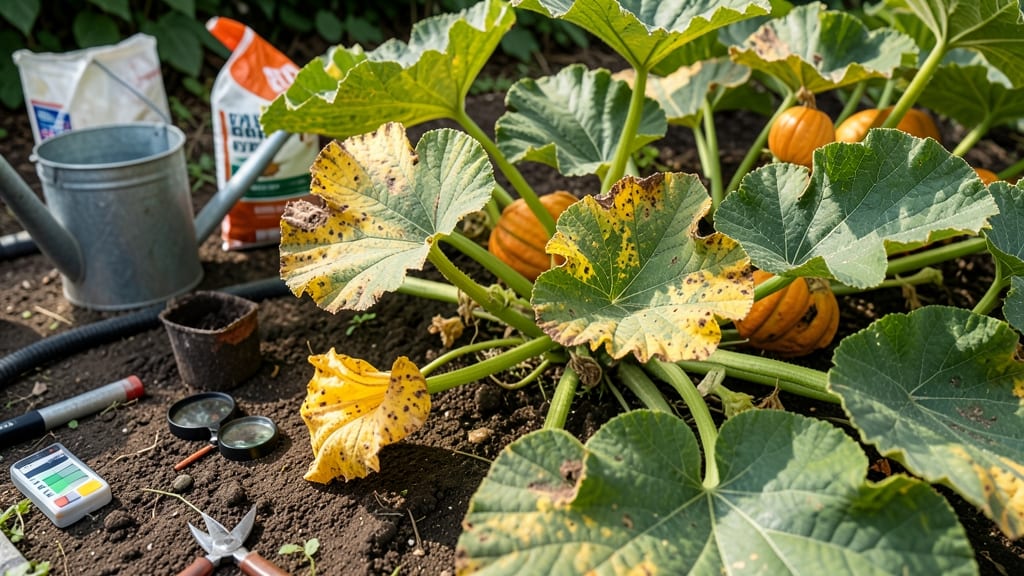
Yellow pumpkin leaves stole my harvest last season—until I learned these 3 simple fixes. 🌱 The culprit wasn’t always obvious: sometimes it was too much water, other times pests hiding on the undersides. But once I identified the root cause, my plants bounced back faster than I expected.
Most gardeners panic and overwater when they see yellowing, but that’s often the problem. Check the soil first—it should feel damp but not soggy. If the leaves feel spongy or drop easily, you’re overdoing it.
For nutrient issues, a balanced fertilizer (like 10-10-10) works wonders, but don’t drown the roots while doing it. The real game-changer? Prevention. Space plants properly for airflow, rotate crops yearly, and watch for early signs of powdery mildew (white dust on leaves).
I now catch problems before they spiral, and my pumpkins stay vibrant green through harvest. This method works for squash, cucumbers, and melons too—same fixes, different plants. Let’s get those leaves back to their healthy, sun-soaked glory before it’s too late.
Root Causes Behind Yellowing Pumpkin Leaves
Yellow pumpkin leaves aren’t just a cosmetic issue—they’re your plant’s way of signaling distress. Understanding the why behind the discoloration is the first step to reviving your pumpkin patch. Below, we break down the most common culprits, backed by science, so you can diagnose the problem like a pro.
---
Pumpkins are heavy feeders, and when they lack essential nutrients, their leaves turn yellow as a warning sign. Here’s what’s likely missing—and how to spot it:
- 🟡 Nitrogen Deficiency (Most Common) - Symptoms: Older leaves (bottom of the vine) turn pale yellow or yellow-green, while veins stay green. - Why it happens: Nitrogen is critical for chlorophyll production.
If your soil is depleted or your pumpkin isn’t getting enough organic matter, the plant prioritizes new growth over maintaining leaves. - Actionable clue: Check the soil pH—ideal for pumpkins is 6.0–6.8. If it’s off, nutrients like nitrogen become unavailable, even if they’re present.
- 🟡 Magnesium Deficiency (Interveinal Chlorosis) - Symptoms: Yellowing between veins (while veins stay green) on older leaves. Severe cases show brown spots or dead patches. - Why it happens: Magnesium is a key component of chlorophyll.
Compacted or sandy soils often lack this micronutrient, and pumpkins can’t access it if the soil is too alkaline. - Pro tip: Epsom salt (magnesium sulfate) is a quick fix—dissolve 1 tablespoon per gallon of water and spray on leaves or water the soil.
- 🟡 Iron or Zinc Deficiencies (Young Leaf Yellowing) - Symptoms: Younger leaves (top of the plant) turn yellow with green veins, often accompanied by stunted growth. - Why it happens: These deficiencies are common in alkaline soils (pH >7.0), where iron and zinc become locked and unavailable.
Pumpkins can’t uptake them even if they’re in the soil. - Science note: Iron is immobile in plants—once leaves show symptoms, they won’t recover. Focus on preventing further spread by adjusting soil pH or using chelated iron supplements.
---
Pumpkins hate soggy feet. Yellowing leaves with a mushy texture or wilting despite wet soil? You’re likely dealing with root stress.
- 💧 Root Rot (Fungal Infection) - Symptoms: Yellowing starts at the bottom, leaves may feel soft or waterlogged, and roots smell foul when pulled. - Why it happens: Pumpkin roots need aeration.
Overwatering or clay-heavy soil cuts off oxygen, inviting Phytophthora or Pythium fungi to rot the roots.
Without roots, the plant can’t transport nutrients or water—hence the yellowing. - Critical fix: Improve drainage by amending soil with compost or perlite, and avoid watering until the top 2 inches of soil are dry.
- 💧 Nutrient Leaching - Symptoms: Uniform yellowing across all leaves, often paired with slow growth. - Why it happens: Overwatering flushes nutrients out of the root zone before pumpkins can absorb them.
Sandy soils are especially guilty of this. - Solution: Water deeply but infrequently (1–1.5 inches per week), and mulch to retain moisture and nutrients.
---
On the flip side, yellowing can also signal dehydration or heat shock, especially in hot climates.
- 🌡️ Heat Stress + Water Deficit - Symptoms: Leaves curl, edges turn crispy yellow or brown, and the plant wilts during the day but recovers at night. - Why it happens: Pumpkins are Cucurbitaceae—they love warmth but wilt fast in high temps (above 90°F/32°C).
When soil moisture drops, the plant can’t regulate temperature, leading to chlorophyll breakdown. - Quick relief: Provide afternoon shade (use row covers or shade cloth) and water at the base (not overhead) to keep roots cool.
- 💦 Inconsistent Watering - Symptoms: Patchy yellowing, often with white or brown edges (scorching). - Why it happens: Pumpkins have shallow roots and need consistent moisture.
Skipping watering sessions causes roots to dry out, triggering stress responses like yellowing. - Rule of thumb: Keep soil evenly moist (not soggy) during flowering and fruiting stages.
---
Sometimes, the yellowing is a smokescreen for hidden invaders. Watch for these sneaky culprits:
- 🐛 Aphids, Spider Mites, or Whiteflies - Symptoms: Yellowing or stippling (tiny white/yellow dots) on upper leaf surfaces, often with sticky residue (honeydew). - Why it happens: These pests siphon sap, starving leaves of nutrients.
Their saliva also triggers plant defense responses, including chlorophyll loss. - Spot check: Flip leaves—look for tiny bugs or webbing.
- 🍄 Powdery Mildew - Symptoms: Yellowing paired with white, powdery spots on leaves (common in humid weather). - Why it happens: This fungal disease clogs leaf pores, blocking sunlight and nutrients.
Weakened leaves turn yellow as the fungus spreads. - Prevention: Space plants for airflow and apply neem oil or baking soda spray (1 tsp baking soda + 1 quart water + drop of soap).
- 🐍 Nematodes (Microscopic Root Attackers) - Symptoms: Yellowing starts at the tips of leaves, followed by stunted growth. Roots may appear swollen or knotted. - Why it happens: Nematodes feed on root hairs, reducing the plant’s ability to absorb water and nutrients.
Pumpkins show symptoms after the damage is done. - Test: Dig up a root—healthy roots are firm and white; nematode-damaged roots look gnarled or discolored.
--- Even the best-maintained pumpkins can yellow due to external stressors:
- 🌞 Too Much Sun (Sunburn) - Symptoms: Yellow or white patches on leaves exposed to direct afternoon sun, often with crispy edges. - Why it happens: Pumpkins adapted to partial shade can suffer photooxidative damage when suddenly exposed to intense sunlight (e.g., after transplanting). - Fix: Acclimate plants gradually or use light shade cloth in peak sun hours.
- 💨 Wind or Physical Damage - Symptoms: Irregular yellowing on leaves with torn edges or bruising. - Why it happens: Strong winds tear leaves, exposing tissue to pathogens.
Even gentle rubbing (e.g., from nearby plants) can cause stress. - Solution: Provide windbreaks (e.g., cornstalks or mesh screens) and prune crowded foliage.
--- 🔍 Diagnostic Cheat Sheet: Need a quick way to narrow it down? Use this table to match symptoms:
| Symptom | Likely Cause | First Action | |---------------------------|-------------------------------|------------------------------------------| | Older leaves yellow | Nitrogen deficiency | Add compost or blood meal | | Yellow between veins | Magnesium deficiency | Spray Epsom salt solution | | Younger leaves yellow | Iron/zinc deficiency | Lower soil pH or use chelated supplements| | Mushy, foul-smelling leaves| Root rot | Improve drainage immediately | | Crispy, curled edges | Underwatering/heat stress | Water deeply + provide afternoon shade | | Sticky leaves + bugs | Pests (aphids, mites) | Spray neem oil or introduce ladybugs | | White powdery spots | Powdery mildew | Apply baking soda spray |
Quick Fixes for Lush Pumpkin Leaves
Yellowing pumpkin leaves can feel like a setback, but with the right approach, you can restore your plants to their vibrant best. Below are targeted solutions based on the most common causes—each with actionable steps and prevention tips to keep your pumpkins thriving.
---
Signs: Yellowing leaves with mushy stems, wilting, or a foul smell near the roots.
How to Solve: 1. 🔥 Stop Watering Immediately Let the soil dry out completely for 2–3 days to prevent root rot. Overwatering suffocates roots, cutting off nutrients.
2. 🍳 Improve Soil Drainage Mix in perlite, coarse sand, or compost (20% of the soil volume) to aerate the roots. Avoid compacted or clay-heavy soil.
3. 👨🍳 Repot if Needed If roots are circling or rotting, transplant your pumpkin to a larger pot with drainage holes or directly into well-draining garden soil.
💡 Prevention Tip: - Water deeply but infrequently—pumpkins prefer 1–1.5 inches of water per week, delivered at the soil base (not the leaves). - Test soil moisture by sticking your finger 2 inches deep; water only if it’s dry.
---
Signs: Yellow patches or crispy edges on leaves exposed to direct afternoon sun, especially in hot climates.
How to Solve: 1. 🥘 Provide Shade Cloth Use 30–50% shade cloth during peak sun (11 AM–3 PM) to reduce stress. Secure it 2–3 feet above the plants.
2. 🔪 Trim Damaged Foliage Snip off severely yellowed or crispy leaves with clean scissors to redirect energy to healthy growth.
3. 🌡️ Boost Hydration Water early in the morning (before 9 AM) to prevent evaporation. Mulch with straw or grass clippings to retain moisture.
💡 Prevention Tip: - Choose heat-tolerant varieties like ‘Howden’ or ‘Jack Be Little’ if you live in a hot zone. - Avoid overhead watering—it can scorch leaves in intense sun.
---
Signs: Pale yellow leaves (chlorosis) on younger leaves (nitrogen deficiency) or older leaves (potassium/magnesium issue).
| Deficiency | Symptoms | Quick Fix | |----------------------|---------------------------------------|----------------------------------------| | Nitrogen (N) | Uniform pale yellow, stunted growth | Apply balanced fertilizer (10-10-10) or compost tea. | | Magnesium (Mg) | Yellow between leaf veins (older leaves) | Spray Epsom salt solution (1 tbsp/gallon) weekly or add dolomitic lime to soil. | | Iron (Fe) | Yellow leaves with green veins | Use chelated iron supplement or water with citric acid (1 tsp/gallon). |
💡 Prevention Tip: - Test soil pH (ideal: 6.0–6.8 for pumpkins). Adjust with lime (raise pH) or sulfur (lower pH). - Rotate crops—don’t plant pumpkins in the same spot yearly to avoid nutrient depletion.
---
Signs: Yellowing with holes, webbing, or spots (aphids, squash vine borers, or fungal issues like powdery mildew).
How to Solve: 1. 🔪 Remove Infested Leaves Prune and dispose of damaged foliage in a sealed bag to prevent spread.
2. 🍳 Apply Natural Pesticides - Neem oil spray (1 tbsp + 1 tsp dish soap per gallon of water) for aphids/mildew. - Bacillus thuringiensis (Bt) for squash vine borers (apply at dusk).
3. 🌿 Improve Airflow Space plants 3–4 feet apart and prune nearby weeds to reduce humidity (which fuels fungi).
💡 Prevention Tip: - Crop rotation—avoid planting cucurbits (pumpkins, squash) in the same spot for 3+ years. - Use row covers early in the season to block pests like squash bugs.
--- 1. 🌱 Prune Strategically Cut back only the most damaged leaves—healthy foliage helps the plant recover faster.
2. 💪 Support the Plant Stake or cage vining pumpkins to prevent stress from wind or weight.
3. 🎯 Monitor Progress After 7–10 days, check for new green growth. If yellowing persists, reassess the cause.
--- 🔥 Pro Tip: Keep a plant journal—note watering, sunlight, and fertilizer dates to spot patterns early! With these fixes, your pumpkin leaves should bounce back in 1–2 weeks.
Frequently asked questions
My pumpkin leaves are yellowing at the edges—what could be causing this?
Edge yellowing is often a sign of underwatering or heat stress, especially in hot climates. Check if the soil feels dry 2 inches deep—pumpkins need consistent moisture. Also, provide afternoon shade with 30% shade cloth if temps exceed 90°F/32°C. Water deeply in the morning to prevent evaporation.
Can I use coffee grounds to fix yellow pumpkin leaves?
Yes! Coffee grounds are great for nitrogen deficiency (pale yellow leaves), but use them sparingly. Mix 1 cup per plant into the soil or compost first—too much can acidify the soil. For magnesium issues (yellow between veins), try Epsom salt (1 tbsp/gallon of water) instead.
How long does it take for pumpkin leaves to recover after fixing the problem?
With the right fix, you’ll see improvement in 7–10 days, but full recovery can take 2–3 weeks, depending on the cause. For nutrient deficiencies, new growth appears faster (3–5 days) than fungal issues (which may need 2–3 weeks of consistent care). Monitor progress and adjust treatments if yellowing persists.
Are yellow pumpkin leaves still safe to eat?
Yes, the leaves themselves are edible, but yellowing often signals stress that may affect fruit quality. If the yellowing is due to pests or disease, remove affected leaves immediately. For nutrient issues, the pumpkin itself is usually fine—just focus on reviving the plant. Always harvest fruits when fully mature for best flavor.
What’s the best way to test if my pumpkin has a nutrient deficiency?
Start with a simple soil pH test (ideal: 6.0–6.8)—many deficiencies occur when pH is off. For visual clues, check leaf patterns: Older leaves yellowing? Likely nitrogen. Yellow between veins? Magnesium. Young leaves yellow? Iron/zinc. Use a home soil test kit for $20 or send a sample to a local extension office for precise results.