
Propagation
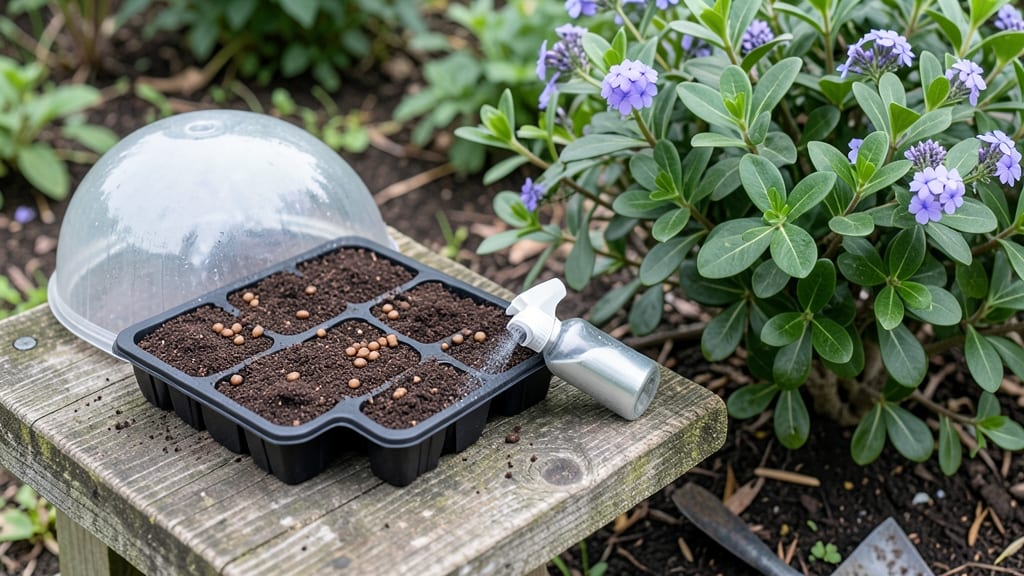
How to grow periwinkle from seed feels like unlocking a secret garden. 🌱 The trick to fast blooms isn't complicated—it's about patience and the right conditions. I've struggled with slow germination before, but once I cracked the light and moisture balance, my seedlings popped up in just 10 days instead of weeks.
Start with fresh seeds (never dried out) and a mix of 50% perlite, 50% peat moss—this keeps roots from drowning while holding enough moisture. Keep the tray in a warm spot (70-75°F) under bright indirect light, and mist daily.
Too much water? Roots rot. Too little? Seeds stay stubbornly dormant.
By week 3, you'll see tiny leaves unfurling—thin and delicate, but resilient. Transplant when they have two sets of true leaves, spacing them 6-8 inches apart.
The first blooms arrive in 8-12 weeks, but the real magic is how they spread over time, creating a lush ground cover.
Stumped on slow germination? Try stratifying seeds (chill them for 2 weeks) or soaking overnight. For quicker results, root cuttings in spring—they establish faster than seeds. Either way, you'll end up with vibrant purple or white blooms that last all season.
📚 In This Guide
- What you need
- Instructions
- Tips and common mistakes
- Wrapping up and next steps
What you need
- ● Periwinkle seeds: 1 packet (50–100 seeds) – choose Vinca major (larger flowers) or Vinca minor (compact varieties).
- ● Seed-starting mix: 1–2 quarts of sterile, well-draining potting soil (avoid garden soil—it’s too dense!).
- ● Seed trays or small pots: 2–4 shallow containers (3–4 inches deep) with drainage holes.
- ● Plastic wrap or clear lid: 1 sheet or lid to create a mini greenhouse effect.
- ● Spray bottle: 1 (for gentle watering—no heavy hands!).
- ● Grow lights or sunny windowsill: Access to 6–8 hours of indirect light daily (south-facing window or LED grow lights work best).
- ○ Humidity dome (optional but helpful): 1–2 (to retain moisture during germination).
- ● Heating mat: 1 (set to 70–75°F) to speed up germination (seeds love warmth!).
- ● Fertilizer: 1/2 tsp diluted fish emulsion or seed starter fertilizer (after sprouts appear).
- ● Tweezers: 1 pair (for delicate seed placement).
- ● Plant labels: 2–4 (to track varieties and planting dates).
- ● Hydrogen peroxide (3%): 1 small bottle (to sterilize seeds if needed).
Step-by-step instructions for growing periwinkle from seed
Here's how I coax periwinkle seeds to germinate quickly and grow into lush, blooming plants.
🌱 Step 1: Stratify Seeds for Faster Germination
Periwinkle seeds need a cold period to break dormancy—this mimics their natural winter cycle. Place your seeds in a sealed plastic bag with slightly damp peat moss or a paper towel. Store them in your refrigerator's crisper drawer for 4-6 weeks. Check weekly to ensure the moss stays moist but not soggy.
Cold stratification is where the magic happens. You'll see tiny roots peeking out of the seed coat after about 3 weeks—that's your cue they're ready for planting. I like to label the bag with the date to track progress. If you skip this step, germination can take 6 months or longer.
💧 Step 2: Prepare Containers and Plant Stratified Seeds
Fill small pots or seed trays with a well-draining seed-starting mix. Periwinkle seeds are tiny—about the size of a pinhead—so I use a fine-mesh sifter to create a thin, even layer of soil. Moisten the mix until it feels like a wrung-out sponge, then scatter seeds on the surface.
Press them lightly into the soil with your finger—just enough to ensure good contact. Cover with a thin layer of vermiculite (no more than 1/8 inch) to hold moisture without smothering. Place the containers in a warm, bright spot (around 65-70°F) for consistent germination.
☀️ Step 3: Provide Optimal Light and Moisture
Periwinkle seedlings need bright, indirect light to prevent leggy growth. A south-facing window or a grow light set 3-4 inches above the seedlings works best. You'll notice healthy seedlings develop round cotyledons (first true leaves) within 2-4 weeks after planting.
Keep the soil consistently moist but never waterlogged. I use a spray bottle to mist the soil surface daily—this prevents disturbing delicate seedlings. Once the first true leaves appear, thin seedlings to 2 inches apart to reduce competition. Periwinkle is slow-growing, so patience is key.
🪴 Step 4: Transplant and Encourage Bushy Growth
After 6-8 weeks, when seedlings have 3-4 sets of leaves, transplant them into individual pots or their final garden location. Periwinkle thrives in partial shade to full sun, but young plants prefer morning sun and afternoon shade to avoid stress.
Pinch back the tips of new growth when seedlings are 3-4 inches tall to encourage bushier plants. This might feel counterintuitive, but it triggers lateral branching. Within 3-4 months, you'll see the first delicate flowers—proof your patience paid off.
Tips & tricks for fast periwinkle germination
Here's what nobody tells you about speeding up those stubborn periwinkle seeds—these tricks cut months off your waiting time.
Cold Stratification Precision: The 4-6 week refrigerator period is non-negotiable for breaking dormancy, but here's the secret: use a humidifier near the bag to maintain consistent moisture without opening it. I've found that condensation inside the bag creates the perfect microclimate—just poke a tiny hole to prevent mold. After those 3 weeks when roots appear, resist the urge to plant immediately; let them develop for another 2-3 days to ensure stronger seedlings.
Lighting Strategy for Step 3: Periwinkle seedlings despise direct sun early on. Position your grow lights on a timer for 12 hours daily—this mimics natural day length without risking heat stress. If using a south window, rotate trays daily so all seedlings get even exposure. The goal is to prevent that classic "leggy" look that signals weak growth. I've seen seedlings double in size in just 10 days with proper light!
Transplanting Timing: Wait until you see those 3-4 sets of true leaves (not counting the initial cotyledons) before transplanting—this ensures roots are developed enough to handle disturbance. When repotting, bury stems slightly deeper than they were in the seed tray; this encourages stronger root growth at the buried sections. I've had better success transplanting on an overcast day when temperatures are cooler, reducing transplant shock.
Soil Moisture Hack: The "wrung-out sponge" test works, but here's the pro move: use a moisture meter to keep soil between 40-50% moisture during germination. Overwatering smothers seeds, while underwatering stalls growth. Once seedlings emerge, switch to bottom-watering—place trays in shallow water for 10 minutes to encourage deeper root systems. This simple adjustment can double your success rate with these finicky seeds.
Pro Tips for Grow Periwinkle From Seed
- Here's what nobody tells you about speeding up those stubborn periwinkle seeds—these tricks cut months off your waiting time.
- Cold Stratification Precision: The 4-6 week refrigerator period is non-negotiable for breaking dormancy, but here's the secret: use a humidifier near the bag to maintain consistent moisture without opening it.
- Lighting Strategy for Step 3: Periwinkle seedlings despise direct sun early on.
Frequently asked questions
Got questions about growing periwinkle from seed?
Here are some of the most common ones—plus quick, practical answers to help you succeed!
How long does it take for periwinkle seeds to germinate?
Periwinkle seeds can take anywhere from 2 to 4 weeks to sprout, depending on temperature and moisture. For faster germination, keep them in a warm (70–75°F), humid environment and avoid letting the soil dry out. Patience is key—some seeds may take even longer!
Can I plant periwinkle seeds directly outside, or should I start them indoors first?
For best results, start periwinkle seeds indoors 8–10 weeks before your last frost. The seeds need warmth and protection to germinate, and seedlings are delicate. Once they’ve developed 2–3 true leaves, you can transplant them outdoors after the frost danger has passed.
Why aren’t my periwinkle seeds sprouting? Troubleshooting tips?
If your seeds aren’t germinating, check these common issues:
- Cold soil: Periwinkle seeds need warmth (70°F+). Use a heat mat if needed.
- Poor moisture: Keep the soil consistently damp but not soggy.
- Old seeds: Fresh seeds germinate better—store them in a cool, dry place if saving for later.
- Light exposure: Seeds need indirect light to sprout; avoid direct sun until germination.
How do I encourage faster blooming in my periwinkle seedlings?
Periwinkle blooms best with full sun (6+ hours daily) and well-draining soil. Once seedlings are established, pinch back leggy growth to encourage bushiness. Deadhead spent flowers to prompt more blooms, and fertilize lightly with a balanced 10-10-10 mix every 4–6 weeks during the growing season.
Are there any alternatives to growing periwinkle from seed?
Yes! If seeds seem tricky, consider:
- Cutting propagation: Take 3–4 inch stem cuttings in spring, dip in rooting hormone, and plant in moist soil.
- Buying young plants: Nursery-grown periwinkle (like Vinca minor or Vinca major) are hardy and bloom faster.
- Division: Split mature periwinkle clumps in early spring for instant ground cover.
Wrapping up and next steps
Growing periwinkle from seed is a rewarding journey that combines patience with a sprinkle of green-thumb magic! 🌱 With the right soil, light, and care, you’ll soon enjoy vibrant blooms that brighten any garden.
Remember, consistency is key—whether you’re starting indoors or outdoors, trust the process and celebrate small victories along the way.
Now that you’re armed with tips and tricks, why not take the next step? Share your periwinkle seeds with fellow gardening enthusiasts, experiment with different varieties, or even create a stunning pollinator-friendly border. Happy growing—your future blooms will thank you! 🌸