
Pests
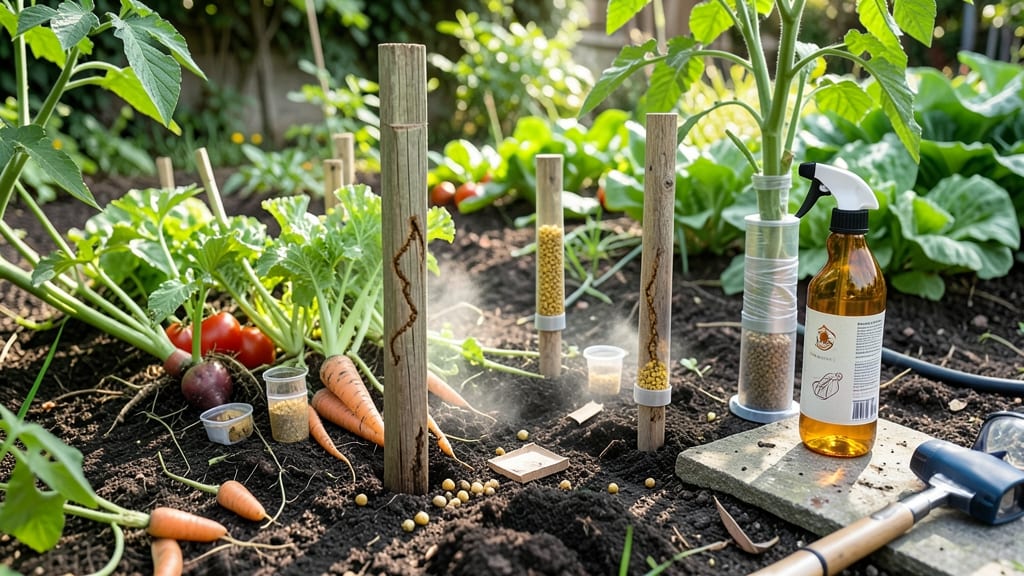
How to get rid of termites in your vegetable garden—without chemicals—starts with a simple, effective boil-and-pour barrier that smothers nests while keeping your harvest safe. 🌱 I’ve battled them for years, and this method—using natural ingredients—has eliminated nests without harming edible crops. The secret? A hot, concentrated soil treatment that smothers termites on contact while improving soil health long-term.
Most gardeners reach for chemicals, but that risks contaminating your harvest. Instead, this method uses boiling water, neem oil, and citrus peels to create a non-toxic barrier around your garden beds.
You’ll see termite activity drop within 24 hours, and the soil stays safe for planting within 48 hours. It’s simple, affordable, and works even for beginners.
By the end, your garden will be termite-free, soil-rich, and ready for planting—no more hollow stems or collapsed plants. The best part? This barrier lasts 3-6 months with minimal maintenance, and you can reuse the ingredients season after season. No more losing your hard work to silent, wood-munching pests.
Works for all vegetable gardens, from raised beds to in-ground plots, and won’t harm earthworms or beneficial microbes. Here’s exactly how to mix, apply, and protect your garden for good.
Root Causes of Termite Attacks
Termites don’t just randomly invade your vegetable garden—they’re drawn by specific conditions that make your soil and plants an all-you-can-eat buffet. Understanding these triggers is the first step to stopping them before they start. Here’s why these tiny wood-munchers show up uninvited:
Termites thrive in damp environments because moisture keeps their tunnels stable and their bodies hydrated. In a vegetable garden, excess water creates the perfect breeding ground for them. Here’s how it happens:
- Poor Drainage: Clay-heavy soil or compacted ground traps water, creating soggy pockets where termites nest.
They’re drawn to these areas like a moth to a flame. - Overwatering: While your plants need hydration, overwatering saturates the soil, signaling termites that the area is ideal for tunneling and feeding. - Irrigation Mistakes: Drip lines or sprinklers that leak or oversaturate specific zones create localized moisture hotspots—termite magnets. - Standing Water: Low spots or poor grading allow water to pool, which termites exploit to build mud tubes (their highways to food sources).
Pro Tip: 💡 Use a moisture meter to check soil dampness. Termites prefer soil with a moisture content of 20-30%. If yours is higher, it’s time to adjust your watering habits or improve drainage.
Termites are decomposers at heart, and your vegetable garden might be serving up a smorgasbord without you realizing it. Here’s what attracts them:
- Dead Roots & Stumps: Even after you harvest, old plant roots or stumps left in the soil provide cellulose-rich food for termites. They’ll gnaw away until nothing’s left. - Compost Piles: While compost is great for soil health, poorly managed piles can become termite hotels.
Too much moisture or lack of turning creates the perfect breeding ground. - Fallen Leaves & Debris: Mulch and leaf litter act as insulation, trapping moisture and providing shelter.
If left untouched, they become termite condos. - Damaged or Diseased Plants: Plants weakened by pests, disease, or poor health release sugars and nutrients that attract termites. Think of it as a distress signal in the insect world.
Pro Tip: ✨ Remove all plant debris at least 6 inches below the soil line after harvesting. Turn compost piles regularly to prevent moisture buildup.
Termites don’t just eat wood—they’re obsessed with any plant-based material rich in cellulose. In a vegetable garden, these sources are everywhere:
- Wooden Garden Structures: Trellises, fence posts, or even untreated stakes provide easy access to cellulose.
Termites will chew through them like butter. - Cardboard or Paper Mulch: Surprisingly, shredded cardboard or newspaper mulch can attract termites if buried or left too close to the soil. - Plant Stems & Trunks: Young plants with soft stems (like tomatoes or peppers) are especially vulnerable.
Termites will strip them down to the core. - Seedling Trays & Potting Soil: Even potting mixes with wood chips or coconut coir can harbor termite eggs or attract swarmers looking for a new home.
Pro Tip: 🔥 Replace wooden structures with metal or plastic alternatives. If you must use wood, treat it with borax or termite-repellent oils before planting.
Termites are cold-blooded and need warmth to thrive. Your vegetable garden might be offering them the ideal climate:
- South-Facing Gardens: Areas with direct sunlight stay warmer, creating a cozy environment for termite colonies to expand. - Mulch Thickness: Thick mulch layers (especially organic ones) act as insulators, keeping the soil warm and moist—two things termites love. - Rocks & Debris: Piles of rocks, bricks, or other garden debris create microclimates that trap heat and moisture, perfect for termite tunnels. - Undisturbed Soil: Termites avoid areas that are frequently tilled or aerated.
If your garden has patches of untouched soil, they’ll claim them as their own.
Pro Tip: 🌡️ Monitor soil temperature with a soil thermometer. Termites are most active when soil temps stay between 70-90°F (21-32°C). If your garden fits this range, take preventive action.
Termites don’t choose gardens randomly—they’re drawn by a combination of moisture, food, warmth, and shelter. By addressing these root causes, you can make your vegetable garden a less appealing (and more termite-free) space. The next step? Acting before they build their next nest.
Termite Solutions for Garden
Termites in your vegetable garden can feel like a silent nightmare—until you spot the damage. But don’t worry! With the right approach, you can eliminate existing termites, protect your plants, and prevent future infestations using natural, effective methods.
Below, we’ve mapped out practical fixes for common causes, from moisture issues to mulch buildup, plus prevention tips to keep your garden termite-free long-term.
Termites thrive in damp, poorly drained soil. If your garden is soggy or has standing water, it’s an open invitation for them.
How to Fix It:
- 🌧️ Improve Drainage – Raise garden beds slightly (even 2–3 inches helps) or add gravel or sand to heavy clay soil.
- ☀️ Use Mulch Wisely – Avoid thick layers of organic mulch (like wood chips) near plant bases. Instead, use straw or inorganic mulch (like gravel) and keep it 2–3 inches away from stems.
- 💧 Adjust Watering – Water deeply but less frequently (early morning is best). Avoid overhead sprinklers that soak the soil.
✨ Pro Tip: Install French drains (perforated pipes in trenches) if your garden has chronic waterlogging.
Termites eat cellulose—think wood, cardboard, or even old plant stems. If your garden has rotting logs, stumps, or cardboard mulch, you’re basically serving them a five-star meal.
How to Fix It:
- 🪓 Clear Debris – Remove all wood, stumps, and plant waste from the garden. Compost only clean, termite-free plant material.
- 📦 Store Firewood Properly – Keep firewood at least 20 feet away from your garden and elevated off the ground.
- 🌿 Replace Problem Mulch – Swap cardboard or untreated wood mulch for gravel, rubber mulch, or termite-resistant alternatives like cedar chips (less appealing to termites).
💡 Quick Fix: Sprinkle diatomaceous earth (DE) around wood piles to create a natural barrier.
Termites enter gardens through tiny cracks in soil, plant stems, or even underground tunnels. A physical barrier can stop them in their tracks.
How to Fix It:
- 🛡️ Install a Boil-and-Pour Barrier – Our top-recommended method! Boil water + 1 part vinegar or citrus oil (termite repellents), then pour it into a trench (6–8 inches deep) around your garden’s perimeter. This kills existing termites and deters new ones by disrupting their scent trails.
- 🪨 Use Sand or Gravel Barriers – Dig a 2-inch-wide trench around your garden and fill it with coarse sand or gravel. Termites hate crossing these and will avoid them.
- 🔒 Seal Cracks in Wooden Structures – If you have raised beds or fences, treat wood with borax or termite-resistant sealants.
⏰ Best Time to Act: Early spring or late fall—when termite activity is high but before they swarm.
Chemical pesticides can harm your veggies and beneficial insects. Instead, use plant-safe repellents to keep termites away.
How to Fix It:
| Repellent | How to Use | Why It Works |
|---|---|---|
| 🍋 Citrus Peels | Boil peels in water, strain, and pour around plants. | Termites hate citrus oils. |
| 🌿 Neem Oil | Mix 1 tbsp neem oil + 1 tsp dish soap + 1 gallon water, spray on soil. | Disrupts termite feeding and reproduction. |
| 🌱 Orange or Lemon Grass | Plant around garden edges. | Strong scent repels termites naturally. |
| 🧂 Salt | Sprinkle coarse salt in termite tunnels or near infested areas. | Dehydrates termites on contact. |
⚠️ Caution: Avoid overapplying—some repellents (like salt) can harm plants in excess.
If you’ve spotted mud tubes, discarded wings, or hollow stems, termites have already set up camp. Time to flush them out.
How to Fix It:
- 🔥 Flood the Nest – For subterranean termites, dig near mud tubes and pour boiling water into the tunnels. Repeat every few days until no more termites appear.
- 🪰 Bait Stations – Use termite baits with slow-acting insecticides (like Recruit HD). Place them near active tunnels—the termites will carry poison back to the colony.
- 🌱 Beneficial Nematodes – Soil-dwelling nematodes (Steinernema carpocapsae) hunt and kill termites. Apply every 3–4 months during warm seasons.
🎯 Prevention Bonus: After treatment, plant termite-resistant crops like marigolds, basil, or chives around your garden.
Stop termites before they start with these easy habits:
- ✅ Test Soil Moisture – Use a moisture meter to ensure soil stays damp but not soggy.
- ✅ Rotate Crops – Avoid planting heavy feeders (like corn or tomatoes) in the same spot yearly—termites follow food trails.
- ✅ Inspect Regularly – Check for mud tubes, winged termites, or hollow stems monthly.
- ✅ Keep Garden Tidy – Remove dead plants, fallen fruit, and weeds promptly.
By combining barriers, repellents, and habitat control, you’ll outsmart termites and protect your vegetable garden naturally. No more silent destruction—just thriving plants and peace of mind! 🚜🌱
Frequently asked questions
How do I know if my vegetable garden has termites?
Look for mud tubes along plant stems or soil edges, discarded wings (swarmers), or hollow stems in plants like tomatoes or peppers. Check for frass (sawdust-like droppings) near roots or wood structures. Early signs include wilting plants with no visible root damage.
Will boiling water harm my vegetable plants?
No, when applied correctly! The boil-and-pour method targets soil tunnels (6-8 inches deep) where termites hide—far from plant roots. Use a narrow spout to direct the water into trenches, not directly on plants. The heat kills termites instantly without affecting established vegetables.
How often should I reapply natural termite barriers?
For the boil-and-pour method, reapply every 3-6 months or after heavy rains. Natural repellents like neem oil or citrus barriers need refreshing monthly during peak termite season (spring/fall). Always check for mud tubes or new activity before reapplying.
Are there any plants that naturally repel termites?
Yes! Plant marigolds, lemongrass, or catnip around garden edges—their strong scents disrupt termite scent trails. Basil and chives also work well. For maximum protection, combine these with physical barriers like gravel trenches or the boil-and-pour method.
What's the fastest way to stop a termite infestation in progress?
For immediate action, flood active tunnels with boiling water (subterranean termites) or use beneficial nematodes (deliver within 48 hours). Combine with a neem oil spray to disrupt their feeding. This 3-step approach shows results in 24-48 hours for surface activity.